
Complete Guide to Aromatherapy Blends for Seasonal Allergies Part 6
Introduction
Seasonal allergies are a common concern for many individuals, particularly during spring and fall when pollen counts soar. While traditional treatments can alleviate symptoms, many are turning to natural remedies, including aromatherapy blends. This guide explores the concept of aromatherapy blends specifically formulated for managing seasonal allergies, offering insights into their benefits, applications, and safety considerations.
What Is Aromatherapy Blends for Seasonal Allergies?
Aromatherapy involves the use of essential oils extracted from plants to promote physical and psychological well-being. Aromatherapy blends for seasonal allergies typically combine multiple essential oils known for their soothing properties. These blends aim to alleviate symptoms such as nasal congestion, sneezing, and itchy eyes, providing a holistic approach to seasonal discomfort.
These blends can be customized according to individual preferences and sensitivities. Common essential oils used in these blends include eucalyptus, lavender, peppermint, and tea tree oil, each contributing unique benefits that can enhance overall comfort during allergy season.
Key Benefits and Properties
The essential oils used in aromatherapy blends for seasonal allergies possess various properties that may help mitigate allergy symptoms:
- Anti-inflammatory: Oils such as lavender and eucalyptus can help reduce inflammation in the nasal passages, making breathing easier.
- Decongestant: Peppermint and eucalyptus oils can act as natural decongestants, helping to clear the airways.
- Antimicrobial: Some essential oils, like tea tree oil, exhibit antimicrobial properties that may support the immune system and combat allergens.
- Calming: Oils such as chamomile and lavender can promote relaxation, lessening the stress that often accompanies allergy symptoms.
- Antihistamine-like effects: Certain oils may have properties that mimic the action of antihistamines, helping to reduce sneezing and nasal congestion.
- Diffusion: Adding a few drops of the blend to an essential oil diffuser can disperse the aromatic compounds throughout a room, providing a soothing atmosphere.
- Topical application: Diluted blends can be applied to pulse points or areas of discomfort, such as the chest or neck. This method allows for localized relief.
- Inhalation: Inhaling the scent directly from the bottle or a cotton ball can provide immediate comfort during allergy flare-ups.
- Bathing: Adding essential oils to bathwater can create a relaxing experience while providing respiratory benefits.
- Ingredients: 3 drops of eucalyptus oil, 2 drops of peppermint oil, 2 drops of lavender oil.
- Instructions: Combine the oils in a small glass bowl. Lean over the bowl with a towel draped over your head, and inhale deeply for several minutes.
- Ingredients: 4 drops of tea tree oil, 3 drops of lemon oil, 3 drops of peppermint oil.
- Instructions: Add the essential oils to a diffuser filled with water. Turn on the diffuser for 30-60 minutes to enjoy the soothing aroma.
- Ingredients: 5 drops of lavender oil, 5 drops of chamomile oil, 10 ml of carrier oil (e.g., sweet almond oil).
- Instructions: Combine the oils in a small roller bottle. Apply to pulse points or areas of discomfort as needed.
- Ingredients: 5 drops of eucalyptus oil, 5 drops of lavender oil, 2 tablespoons of bath salts.
- Instructions: Mix the essential oils with the bath salts and add to warm bathwater. Soak for at least 20 minutes.
- Dilution: Always dilute essential oils with a carrier oil before applying them to the skin to prevent irritation.
- Patch Test: Conduct a patch test by applying a small amount of the diluted blend to a discreet area of skin to check for any adverse reactions.
- Pregnancy and Nursing: Pregnant or nursing individuals should consult with a healthcare professional before using essential oils, as some may not be safe during these periods.
- Children and Pets: Some essential oils may not be suitable for children or pets. Always research and ensure safety before use around them.
- Allergies: Individuals with known allergies to specific plants should avoid essential oils derived from those plants.
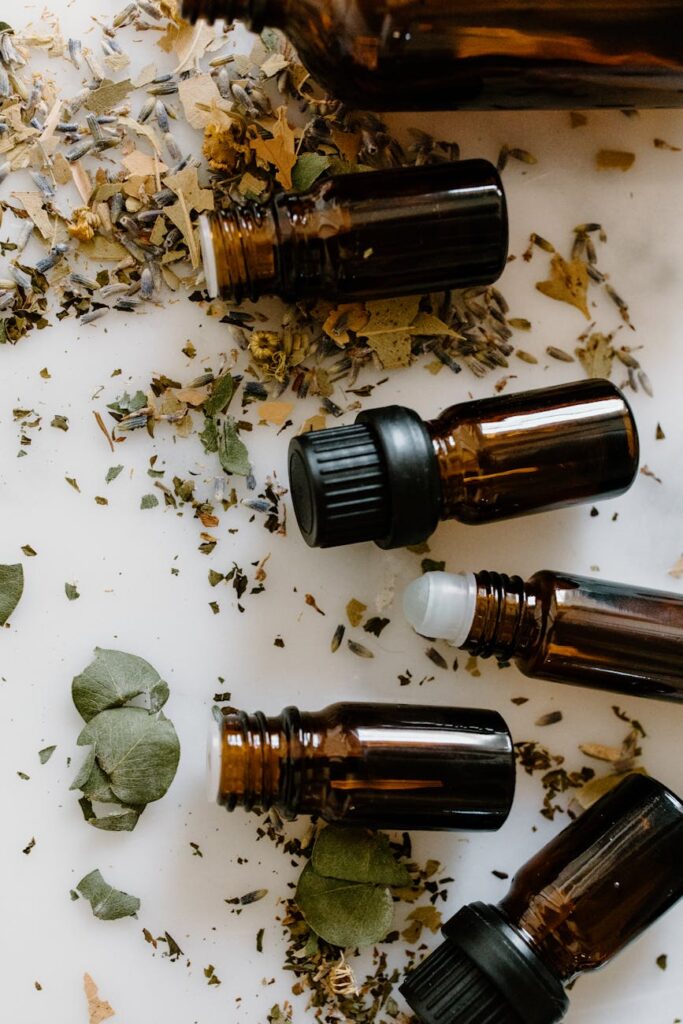
- Containers: Store essential oils in dark glass bottles to protect them from light, which can degrade their quality.
- Temperature: Keep them in a cool, dry place away from direct sunlight and heat sources.
- Shelf Life: Most essential oils have a shelf life of 1-3 years, but this can vary depending on the oil. Citrus oils tend to have a shorter shelf life, while oils like patchouli and cedarwood may improve with age.
Common Uses
Aromatherapy blends for seasonal allergies can be utilized in various ways to suit individual preferences and lifestyles. Common uses include:
Aromatherapy Applications
When creating or using aromatherapy blends for seasonal allergies, consider the following applications:
1. Inhalation Method
2. Diffuser Blend
3. Topical Blend
4. Bath Soak
Safety Considerations
While aromatherapy blends can provide comfort, it is crucial to consider safety when using essential oils:
Storage and Shelf Life
Proper storage of essential oils is essential for maintaining their potency and effectiveness. Here are some guidelines:
Frequently Asked Questions
1. Can aromatherapy completely relieve allergy symptoms?
Aromatherapy can help alleviate some symptoms associated with seasonal allergies, but it is not a substitute for professional medical advice or treatment. Individual experiences may vary.
2. How often can I use aromatherapy blends?
The frequency of use depends on individual tolerance. It is generally safe to use aromatherapy blends daily, but it’s wise to monitor your body’s response and adjust accordingly.
3. Are there any essential oils to avoid for allergy sufferers?
Some individuals may be sensitive to certain essential oils, particularly those with strong scents. It is best to avoid oils that have caused reactions in the past and to perform patch tests with new oils.
4. Can I use aromatherapy while taking allergy medications?
Consult with a healthcare professional before combining aromatherapy with any medications. Some essential oils may interact with medications, so it is essential to ensure safety.
5. Can I create my own blends?
Absolutely! Customizing your own blends can be a rewarding experience. Start with known oils that provide relief and adjust ratios according to personal preferences.
Conclusion
Aromatherapy blends for seasonal allergies offer a natural approach to managing discomfort during allergy season. Understanding the properties and benefits of various essential oils can empower individuals to create personalized blends that enhance their well-being. As with all holistic approaches, it’s essential to remain informed and practice safety when incorporating these fragrant remedies into your routine.