
Complete Guide to Aromatherapy Blends for Seasonal Allergies Part 7
Introduction
As the seasons change, many individuals experience the onset of seasonal allergies, often characterized by symptoms such as sneezing, nasal congestion, and itchy eyes. In recent years, aromatherapy has emerged as a popular complementary approach for alleviating these symptoms. This guide delves into the world of aromatherapy blends specifically tailored for seasonal allergies, exploring their benefits, uses, applications, and safety considerations.
What Is Aromatherapy Blends for Seasonal Allergies?
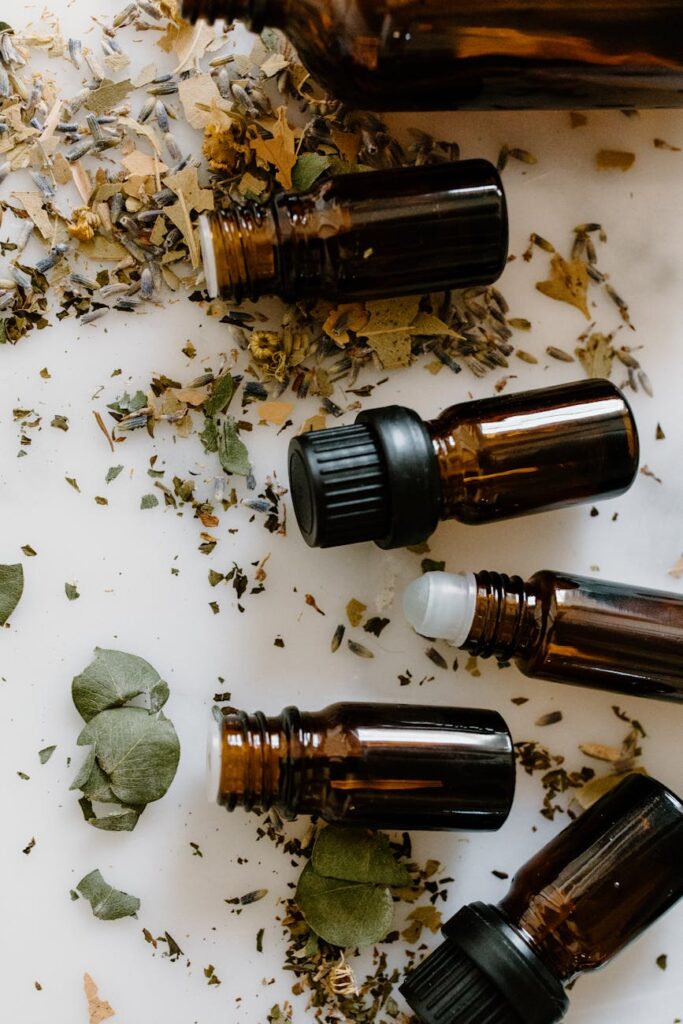
Aromatherapy involves the use of essential oils, which are concentrated plant extracts, to enhance physical and emotional well-being. Aromatherapy blends for seasonal allergies are specific combinations of essential oils that aim to provide relief from allergy symptoms. These blends are designed to target common allergens such as pollen, dust, mold, and pet dander, using the therapeutic properties of various oils.
The practice of blending essential oils allows for a synergistic effect, where the combined properties of the oils can work together to provide enhanced benefits. Some popular essential oils used in these blends include lavender, eucalyptus, peppermint, and lemon, each contributing unique therapeutic properties.
Key Benefits and Properties
1. Anti-Inflammatory Properties
Many essential oils possess anti-inflammatory properties, which can help reduce inflammation in the respiratory system, alleviating symptoms such as nasal congestion and sinus pressure.
2. Decongestant Effects
Certain essential oils, particularly those from the mint family, can act as natural decongestants. They help to open up airways and promote easier breathing.
3. Antihistamine Qualities
Some essential oils may exhibit antihistamine effects, potentially reducing the body’s histamine response to allergens and providing relief from symptoms like sneezing and itching.
4. Calming and Soothing
Aromatherapy blends can also have a calming effect on the mind and body, helping to alleviate the stress and discomfort often associated with allergy season.
Common Uses
Aromatherapy blends for seasonal allergies can be utilized in various ways, depending on individual preferences and needs. Common uses include:
- Diffusion: Using a diffuser to disperse the aroma of essential oils into the air, creating a therapeutic environment.
- Topical Application: Diluting essential oils with a carrier oil and applying them directly to the skin, particularly on areas like the chest, neck, and wrists.
- Inhalation: Directly inhaling the scent of essential oils from a bottle or a cotton ball.
- Bathing: Adding essential oils to a warm bath can provide both inhalation and topical benefits.
- Ingredients: Eucalyptus, peppermint, and lemon.
- Properties: This blend works to open airways and promote easier breathing while providing a refreshing scent.
- Ingredients: Lavender, chamomile, and frankincense.
- Properties: This soothing blend can help calm the mind and body, reducing anxiety that may accompany allergy symptoms.
- Ingredients: Tea tree, lemon, and thyme.
- Properties: This blend supports the immune system and can help combat allergens.
- Ultrasonic Diffusers: These devices use water and ultrasonic waves to create a fine mist of essential oils, ideal for larger spaces.
- Reed Diffusers: A more passive method, reed diffusers allow essential oils to evaporate slowly, providing a continuous fragrance.
- Inhalers: Portable inhalers can be filled with essential oil blends for on-the-go relief.
- Cool, Dark Environment: Store essential oils in a cool, dark place to prevent oxidation and degradation.
- Avoid Contamination: Use a dropper or pipette when dispensing oil to prevent contamination from skin oils or water.
- Check for Signs of Spoilage: Essential oils that have changed in color, consistency, or scent may be past their prime and should be discarded.
Aromatherapy Applications
1. Essential Oil Blends
Here are a few effective blends that can be used to help manage seasonal allergies:
a. Respiratory Relief Blend
b. Calming Blend
c. Immune-Boosting Blend
2. Diffusion Techniques
Using a diffuser is one of the most effective ways to disperse essential oils into the air. Consider these methods:
Safety Considerations
While aromatherapy can be safe and effective, it is essential to exercise caution. Here are some key safety considerations:
1. Dilution
Essential oils are highly concentrated and should always be diluted with a carrier oil (such as jojoba, coconut, or olive oil) before topical application to avoid skin irritation.
2. Allergies and Sensitivities
Individuals should perform a patch test before using any new essential oil to determine if they have any allergic reactions or sensitivities.
3. Consultation
Consulting with a knowledgeable aromatherapist or healthcare provider is advisable, especially for those with pre-existing medical conditions, pregnant individuals, or those taking medications.
4. Storage
Essential oils should be stored in dark glass bottles, away from direct sunlight and heat, to maintain their potency and prevent degradation.
Storage and Shelf Life
The shelf life of essential oils can vary based on the type of oil and how it is stored. Generally, most essential oils can last from 1 to 5 years if stored properly. Here are some tips for extending the shelf life of your oils:
Frequently Asked Questions
1. Can aromatherapy completely cure seasonal allergies?
While aromatherapy can provide relief from symptoms, it is not a cure for seasonal allergies. It can be used as a complementary approach alongside other treatments.
2. How often can I use essential oil blends for allergies?
The frequency of use can vary based on individual preference and sensitivity. It is generally safe to use aromatherapy blends several times a day, but it is essential to monitor how your body responds.
3. Are there any essential oils I should avoid during allergy season?
Some individuals may be sensitive to certain oils, such as citrus oils, which can sometimes cause skin irritation or photosensitivity. Always conduct a patch test before full use.
4. Can children use essential oils for allergies?
While some essential oils can be safe for children when properly diluted, it is crucial to consult with a healthcare provider or a certified aromatherapist before use.
5. What should I do if I experience an adverse reaction?
If you experience any adverse reaction after using essential oils, discontinue use immediately and seek guidance from a healthcare professional if necessary.
Conclusion
Aromatherapy blends for seasonal allergies provide a natural and holistic approach to managing allergy symptoms. By understanding the properties and applications of various essential oils, individuals can create personalized blends that suit their needs. However, it is essential to prioritize safety and consult with professionals when needed. With thoughtful use, aromatherapy can be a valuable addition to your seasonal allergy management toolkit.