
Complete Guide to Aromatherapy Blends for Seasonal Allergy Relief Part 5
Introduction
Seasonal allergies, often triggered by pollen, dust, and other environmental factors, can cause discomfort for many individuals. While conventional treatments abound, a growing number of people are turning to natural remedies such as aromatherapy for relief. This article serves as a comprehensive guide to understanding how aromatherapy blends can be utilized to alleviate the symptoms associated with seasonal allergies.
What Is Aromatherapy Blends for Seasonal Allergy Relief?
Aromatherapy involves the use of essential oils extracted from plants to promote physical and emotional well-being. When it comes to seasonal allergy relief, specific essential oils are blended to harness their beneficial properties. These blends can target symptoms such as nasal congestion, headaches, and general discomfort.
The efficacy of these blends lies in the chemistry of the essential oils used. Many oils possess anti-inflammatory, antihistamine, and decongestant properties, making them suitable for addressing allergy symptoms.
Key Benefits and Properties
Understanding the benefits of specific essential oils is crucial when formulating effective blends for seasonal allergy relief. Here are some key properties to consider:
1. Anti-Inflammatory Properties
Several essential oils, such as Lavender and Frankincense, are known for their anti-inflammatory effects. These oils may help reduce inflammation in the nasal passages and other areas affected by allergies.
2. Antihistamine Effects
Oils like Peppermint and Lemon contain natural antihistamines that can help reduce the body’s histamine response, alleviating symptoms such as sneezing and itching.
3. Decongestant Qualities
Essential oils like Eucalyptus and Tea Tree are known for their decongestant properties, which can help clear the nasal passages and promote easier breathing.
4. Immune System Support
Certain oils, including Oregano and Thyme, are believed to bolster the immune system, which can be particularly beneficial during allergy season when the body is often under stress from allergens.
5. Stress Relief
Seasonal allergies can be stressful and may lead to anxiety. Oils like Bergamot and Ylang Ylang can provide calming effects, promoting emotional balance during challenging times.
Common Uses
Aromatherapy blends for seasonal allergy relief can be employed in various ways, depending on individual preferences and needs. Some common uses include:
1. Diffusion
Using a diffuser, essential oils can be dispersed into the air, allowing for inhalation and absorption through the respiratory system. This method is ideal for creating a soothing environment while benefiting from the therapeutic properties of the oils.
2. Topical Application
Blending essential oils with a carrier oil (such as jojoba or coconut oil) allows for safe topical application. This method may target localized discomfort, such as sinus pressure or headaches.
3. Inhalation
Direct inhalation is a simple method where a few drops of essential oil are placed on a tissue or in the palms of the hands. This method is particularly effective for immediate relief from nasal congestion.
4. Bath Soaks
Adding essential oils to a warm bath can create a relaxing experience while also providing respiratory benefits. The steam from the bath can enhance inhalation of the oils.
Aromatherapy Applications
When creating aromatherapy blends for seasonal allergy relief, consider the following essential oils known for their beneficial properties:
1. Eucalyptus
Famed for its decongestant properties, eucalyptus oil can help open up airways and ease breathing.
2. Peppermint
This invigorating oil contains menthol, which can provide a cooling sensation and ease sinus pressure.
3. Lavender
Known for its calming properties, lavender can help alleviate stress and promote relaxation, which may be beneficial during allergy season.
4. Lemon
Lemon oil is uplifting and can act as a natural antihistamine, making it a great addition to allergy blends.
5. Tea Tree
With its antibacterial and anti-inflammatory properties, tea tree oil can help support the immune system and combat respiratory discomfort.
6. Frankincense
This oil is revered for its anti-inflammatory properties and can soothe irritated nasal passages.
7. Chamomile
Known for its calming effects, chamomile oil can help ease anxiety and promote a sense of well-being.
8. Thyme
Thyme oil is antimicrobial and can support the respiratory system, making it a valuable addition to allergy blends.
Sample Blend for Seasonal Allergy Relief
- 5 drops Eucalyptus
- 3 drops Lavender
- 3 drops Peppermint
- 2 drops Lemon
- Carrier oil (for topical application)
Instructions
1. For diffusion: Add the blend to a diffuser filled with water.
2. For topical application: Mix the essential oils with a carrier oil and apply to the chest or temples.
Safety Considerations
While essential oils can be beneficial, it is essential to use them safely:
1. Dilution
Always dilute essential oils with a carrier oil before applying them to the skin to prevent irritation.
2. Patch Testing
Perform a patch test on a small area of skin to ensure there is no allergic reaction before applying a blend more widely.
3. Consultation
Individuals with existing health conditions, those pregnant or breastfeeding, and young children should consult a healthcare professional before using essential oils.
4. Quality of Oils
Choose high-quality, pure essential oils from reputable sources to ensure potency and effectiveness.
Storage and Shelf Life
Proper storage of essential oils is vital for maintaining their effectiveness. Consider the following guidelines:
1. Cool, Dark Place
Store essential oils in a cool, dark place away from direct sunlight and heat, which can degrade their quality.
2. Glass Containers
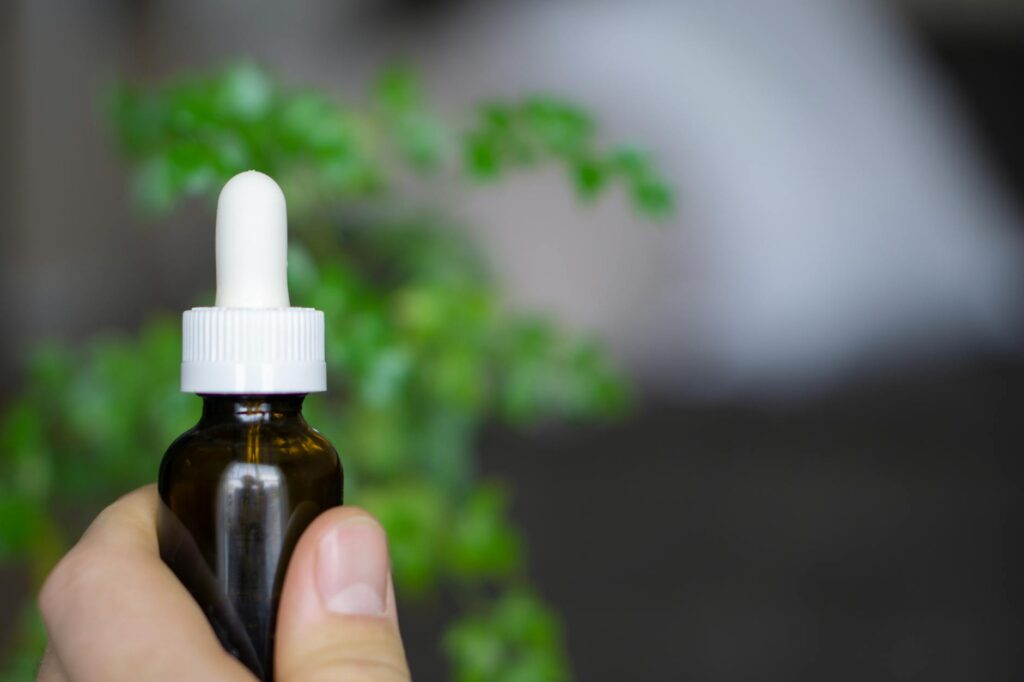
Use dark glass containers for storage, as they help protect the oils from light exposure. Avoid plastic, as it can interact with the oils.
3. Shelf Life
Most essential oils have a shelf life of 1-3 years, but this can vary. Citrus oils tend to have a shorter shelf life, while oils like sandalwood may last longer.
Frequently Asked Questions
1. Can aromatherapy completely cure seasonal allergies?
While aromatherapy can provide relief for some symptoms of seasonal allergies, it is not a cure. It can be used as a complementary approach alongside other treatments.
2. How often can I use aromatherapy blends for allergy relief?
You can use aromatherapy blends as often as needed. However, it is advisable to take breaks or rotate oils to prevent sensitization.
3. Are there any essential oils I should avoid?
Some oils, such as those that are irritating to the skin or respiratory system, should be used with caution. Always conduct thorough research or consult a professional before use.
4. Can children use essential oils for allergies?
Certain essential oils are safe for children, but it is essential to dilute them well and consult a healthcare professional for age-appropriate advice.
5. Can I mix different essential oils?
Yes, blending various essential oils can create synergistic effects, enhancing their benefits. Just ensure that the oils you choose complement each other and are safe for your intended use.
Conclusion
Aromatherapy blends can serve as a valuable tool for managing the discomfort associated with seasonal allergies. By understanding the properties and applications of various essential oils, individuals can create effective blends tailored to their needs. However, it is essential to prioritize safety and consult with professionals when necessary. Embracing the natural benefits of aromatherapy can enhance one’s overall well-being during allergy season and beyond.