
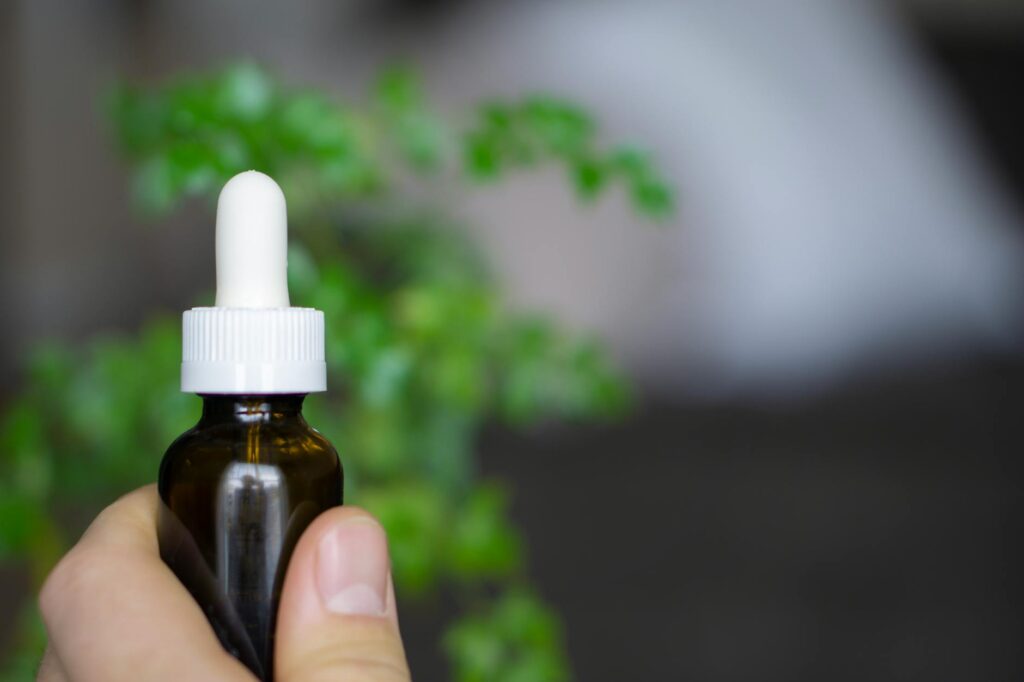
Complete Guide to Aromatherapy Blends for Seasonal Allergy Relief Part 7
Introduction
Seasonal allergies, often triggered by pollen from trees, grasses, and weeds, can significantly disrupt daily life for many individuals. While conventional remedies like antihistamines and decongestants are popular, many people are turning to natural alternatives such as aromatherapy. This guide focuses on the use of essential oil blends specifically formulated to alleviate the discomfort associated with seasonal allergies. By understanding the properties, applications, and safety considerations of these blends, you can craft a personalized approach to managing allergy symptoms.
What Is Aromatherapy Blends for Seasonal Allergy Relief?
Aromatherapy blends for seasonal allergy relief are mixtures of essential oils that aim to alleviate symptoms such as sneezing, nasal congestion, itchy eyes, and general discomfort associated with allergies. These blends typically combine oils known for their anti-inflammatory, antihistamine-like properties, and soothing effects. Common essential oils used in these blends include eucalyptus, lavender, peppermint, and tea tree oil, among others.
The effectiveness of these blends relies on the holistic principles of aromatherapy, which maintain that the inhalation and topical application of essential oils can influence both physical and emotional well-being.
Key Benefits and Properties
The essential oils used in allergy relief blends possess various properties that can be beneficial for individuals suffering from seasonal allergies. Here are some key benefits:
1. Anti-Inflammatory: Oils like eucalyptus and lavender can help reduce inflammation in the airways, making breathing easier.
2. Antihistamine: Certain oils may act similarly to antihistamines, helping to reduce symptoms such as sneezing and itching. Peppermint oil is a notable example.
3. Decongestant: Eucalyptus and peppermint oils can help clear nasal passages and promote easier breathing.
4. Relaxation: The soothing properties of lavender and chamomile can help reduce stress and anxiety, which may be heightened during allergy season.
5. Antimicrobial: Tea tree oil and other oils have antimicrobial properties, which can help to prevent respiratory infections that may occur as a result of compromised airways.
Common Uses
Aromatherapy blends for seasonal allergy relief can be employed in various ways, depending on personal preference and specific needs. Here are some common applications:
- Diffusion: Adding a few drops of your chosen blend to a diffuser can help purify the air and create a calming atmosphere.
- Inhalation: Directly inhaling the scent from the bottle or a cotton ball can provide immediate relief.
- Topical Application: Diluting essential oils in a carrier oil and applying them to pulse points or the chest can facilitate absorption into the bloodstream.
- Bathing: Adding essential oils to a warm bath can provide a soothing environment while promoting respiratory health.
- Respiratory Relief Blend: Combine eucalyptus, peppermint, and tea tree oils in a diffuser to promote clearer breathing.
- Calming Blend: A mixture of lavender, chamomile, and bergamot can help ease anxiety and promote relaxation during allergy flare-ups.
- Cleansing Blend: A blend of lemon, rosemary, and eucalyptus can purify the air and reduce airborne allergens.
- Portable inhalers filled with your chosen essential oil blend can be kept on hand for quick relief. Simply inhale deeply whenever you feel symptoms arising.
- Prepare roller bottles by mixing essential oils with a carrier oil (such as sweet almond or jojoba oil) for easy topical application. A common ratio is 2-3% essential oils to carrier oil.
- Adding essential oils to a bowl of steaming water can create a steam inhalation treatment. Be cautious and ensure that the water is not too hot to avoid burns.
- Dilution: Always dilute essential oils with a carrier oil before applying them to the skin to prevent irritation.
- Patch Test: Conduct a patch test on a small area of skin to check for allergic reactions before widespread use.
- Pregnancy and Nursing: Consult a healthcare provider before using essential oils if you are pregnant, nursing, or have underlying health conditions.
- Children and Pets: Some essential oils can be harmful to children and pets. Always check for safety guidelines specific to age and species.
- Interactions: Essential oils may interact with medications. Consult with a healthcare professional if you are currently taking prescription medications.
- Cool, Dark Place: Store essential oils in a cool, dark place away from direct sunlight and heat sources.
- Tightly Sealed Containers: Always keep the bottles tightly sealed to prevent oxidation.
- Shelf Life: The shelf life of essential oils can vary. Most oils last for 1-3 years if stored properly. Citrus oils tend to have a shorter shelf life, while oils like sandalwood and patchouli can last longer.
Aromatherapy Applications
When creating or using aromatherapy blends for seasonal allergy relief, consider the following applications:
1. Essential Oil Blends
2. Inhalers
3. Roller Bottles
4. Steam Inhalation
Safety Considerations
While aromatherapy can offer relief, it is essential to consider the safety aspects of using essential oils:
Storage and Shelf Life
Proper storage of essential oils is crucial to maintaining their potency and effectiveness:
Frequently Asked Questions
1. Can aromatherapy completely eliminate allergy symptoms?
Aromatherapy may help alleviate symptoms but is not a cure. It is best used as a complementary approach alongside other treatments.
2. How quickly can I expect relief from aromatherapy blends?
Relief may vary from person to person. Some may experience immediate effects, while others may need to use the blends consistently for several days to notice improvements.
3. Are there any essential oils to avoid during allergy season?
While many essential oils are beneficial, some individuals may find certain oils irritating. It’s best to avoid oils that you know you’re allergic to and consult a professional if you’re unsure.
4. Can I mix different essential oils for a custom blend?
Yes, you can create your blends. However, it’s essential to research the properties of each oil and ensure they complement each other.
5. Is it safe to use essential oils around pets?
Many essential oils can be harmful to pets. Always research specific oils for safety and consult a veterinarian if you have concerns.
Conclusion
Aromatherapy blends can provide a natural alternative for managing seasonal allergy symptoms. By understanding the properties and applications of essential oils, you can tailor your approach to find what works best for you. While aromatherapy is not a substitute for medical treatment, it can serve as a supportive tool in your overall wellness strategy. Always prioritize safety and consult professionals when in doubt, and embrace the holistic benefits that aromatherapy can offer in your journey towards relief from seasonal allergies.