
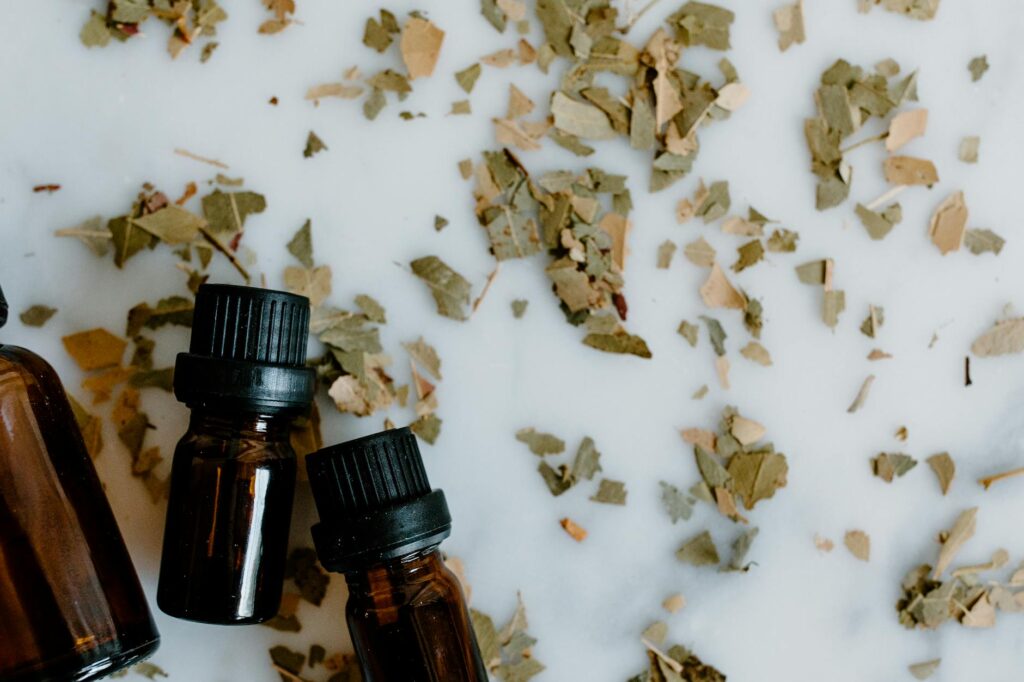
Complete Guide to Aromatherapy Blends for Seasonal Immune Support Part 1
Introduction
As the seasons change, so do our bodies’ needs and responses to environmental factors. Aromatherapy, a holistic practice that utilizes plant-derived essential oils, offers a natural way to enhance emotional well-being and support physical health. This guide explores aromatherapy blends specifically designed for seasonal immune support, focusing on their benefits, applications, and safety considerations.
What Is Aromatherapy Blends for Seasonal Immune Support?
Aromatherapy blends for seasonal immune support are combinations of essential oils that aim to bolster the body’s defenses against common ailments associated with changes in weather, allergens, and other environmental stressors. These blends may contain oils known for their antiviral, antibacterial, or anti-inflammatory properties, as well as those that support respiratory function and promote relaxation.
In essence, these blends not only serve to enhance mood and emotional well-being but also help to create a conducive environment for the immune system to thrive. The synergy of various essential oils can create a powerful tool in maintaining seasonal wellness.
Key Benefits and Properties
Antimicrobial Properties
Many essential oils possess natural antimicrobial properties. Oils such as tea tree, eucalyptus, and oregano are known for their ability to combat bacteria and viruses, making them valuable during seasons when colds and flu are prevalent.
Immune System Support
Certain essential oils, like lemon and frankincense, are believed to stimulate the immune system, enhancing the body’s ability to fight off infections. These oils can help create a protective barrier against pathogens.
Respiratory Health
Eucalyptus, peppermint, and tea tree oils are commonly used to support respiratory health. They can help clear congestion and promote easier breathing, which is especially beneficial during allergy season or when facing respiratory infections.
Stress Reduction
Stress can negatively impact the immune system. Essential oils such as lavender and chamomile are well-known for their calming properties, which can help reduce stress and promote relaxation, thereby indirectly supporting immune function.
Enhanced Mood and Energy
Essential oils like citrus oils (e.g., orange and lemon) are uplifting and can help combat feelings of lethargy or gloom that may accompany seasonal changes. A positive mood can have a significant impact on overall well-being.
Common Uses
Aromatherapy blends for seasonal immune support can be used in various ways, catering to individual preferences and situations:
Diffusion
Using a diffuser is one of the most popular methods for dispersing essential oils throughout a room. This method promotes inhalation, allowing the therapeutic properties of the oils to enter the respiratory system and affect mood and well-being.
Topical Application
Diluting essential oils in carrier oils (such as coconut or jojoba oil) allows for safe topical application. This method can be particularly effective for localized support, such as applying a blend to the chest for respiratory benefits.
Inhalation
Direct inhalation of essential oils can be done through a personal inhaler or simply by placing a few drops on a tissue. This method provides immediate access to the oils’ aromatic compounds.
Bath Soaks
Adding essential oils to bathwater can create a soothing and immersive experience. The warmth of the water can enhance the oils’ absorption through the skin while also providing a relaxing environment.
Household Cleaning
Many essential oils have natural disinfectant properties, making them suitable for use in homemade cleaning products. This can help maintain a clean environment, further supporting overall health.
Aromatherapy Applications
Example Blends for Seasonal Immune Support
1. Eucalyptus & Tea Tree Blend
- Ingredients: 4 drops eucalyptus oil, 3 drops tea tree oil, 2 drops lemon oil.
- Application: Diffuse during periods of respiratory discomfort or when feeling under the weather.
- Ingredients: 5 drops orange oil, 3 drops lemon oil, 2 drops bergamot oil.
- Application: Use in a diffuser to create an uplifting atmosphere, particularly during rainy or gloomy weather.
- Ingredients: 3 drops lavender oil, 3 drops frankincense oil, 2 drops chamomile oil.
- Application: Dilute in a carrier oil and apply to pulse points or use in a relaxing bath.
- Ingredients: 4 drops peppermint oil, 3 drops eucalyptus oil, 2 drops rosemary oil.
- Application: Inhale directly or diffuse to support respiratory function.
2. Citrus Uplift Blend
3. Relaxation & Immune Support Blend
4. Respiratory Relief Blend
Safety Considerations
While essential oils are generally safe when used appropriately, it is essential to consider the following safety guidelines:
Dilution
Essential oils are potent and should be diluted in a carrier oil before topical application. A common dilution ratio is 2-3 drops of essential oil per teaspoon of carrier oil.
Sensitivity
Individuals may have varying sensitivities to essential oils. It is advisable to perform a patch test on a small area of skin to check for any adverse reactions before widespread application.
Pregnancy and Nursing
Certain essential oils are not recommended for use during pregnancy or while nursing. Consult with a qualified practitioner or aromatherapist for guidance tailored to individual circumstances.
Children and Pets
Some essential oils can be harmful to children and pets. It is crucial to check the safety of specific oils and adjust usage accordingly.
Quality of Essential Oils
Using high-quality, pure essential oils is vital for safety and effectiveness. Look for products that have been tested for purity and are free from synthetic additives.
Storage and Shelf Life
Proper storage of essential oils is essential for maintaining their integrity and efficacy. Consider the following tips:
Storage Conditions
Store essential oils in a cool, dark place, away from direct sunlight and heat. Glass containers are preferred over plastic to avoid chemical reactions.
Shelf Life
Most essential oils have a shelf life of 1-3 years, depending on the oil type and storage conditions. Citrus oils tend to have a shorter shelf life due to their composition. Always check for changes in color, aroma, or viscosity.
Frequently Asked Questions
Can I use essential oils if I have allergies?
While some essential oils can support respiratory health, individuals with allergies should exercise caution and consult with a healthcare provider or aromatherapist to determine suitable options.
How often can I use these blends?
Frequency of use depends on individual tolerance and specific blends. Generally, diffusing for 30-60 minutes a few times a day is common. For topical applications, 2-3 times daily is often recommended.
Are there any essential oils I should avoid?
Yes, certain essential oils may cause skin irritation or are contraindicated for specific health conditions. Always research individual oils or consult with a professional for tailored advice.
Can I mix different essential oils together?
Yes, blending different essential oils can enhance their therapeutic properties. However, it is advisable to start with a small number of oils to ensure compatibility and effectiveness.
Where can I find quality essential oils?
Look for reputable suppliers that provide information about the sourcing and testing of their products. Certifications and user reviews can also be helpful in making informed choices.
—
In this guide, we’ve explored the fundamentals of aromatherapy blends for seasonal immune support. Understanding the benefits, applications, and safety considerations allows individuals to harness the power of essential oils effectively. Stay tuned for Part 2, where we will delve deeper into specific recipes and their applications for enhancing seasonal wellness.