
Complete Guide to Aromatherapy Blends for Seasonal Immune Support Part 3
Introduction
As the seasons change, so do the challenges our immune systems face. The transition from warm to cooler temperatures, along with fluctuations in humidity and exposure to new allergens, can strain our bodies. Aromatherapy, the practice of using essential oils for therapeutic purposes, offers a natural way to support overall well-being, particularly during seasonal transitions. This article explores the concept of aromatherapy blends specifically designed for seasonal immune support, delving into their benefits, common applications, and safety considerations.
What Is Aromatherapy Blends for Seasonal Immune Support?
Aromatherapy blends for seasonal immune support consist of carefully selected essential oils combined to promote wellness during times when the immune system may need extra assistance. These blends can harness the natural properties of various essential oils to provide emotional, physical, and psychological support, aiding in overall immune function.
Essential oils are concentrated plant extracts, each possessing unique chemical compounds that contribute to their distinct aromas and therapeutic properties. When combined, these oils can enhance each other’s effects, creating a synergistic impact that may be more effective than using individual oils alone.
Key Benefits and Properties
The benefits of aromatherapy blends for seasonal immune support are diverse, encompassing both physical and psychological aspects. Some key properties of essential oils commonly used in these blends include:
Antimicrobial Properties
Many essential oils, such as tea tree, eucalyptus, and oregano, have demonstrated antimicrobial effects that can help inhibit the growth of bacteria, fungi, and viruses.
Anti-inflammatory Effects
Oils like lavender and chamomile are known for their anti-inflammatory properties, which can help soothe respiratory issues and other inflammation-related symptoms.
Immune Modulation
Certain essential oils, such as lemon and frankincense, have been shown to enhance immune system function, helping the body respond better to pathogens.
Stress Relief
Stress can weaken the immune system. Oils like bergamot and ylang-ylang are commonly used for their calming properties, promoting emotional balance and reducing stress.
Common Uses
Aromatherapy blends for seasonal immune support can be used in various ways, making them versatile for different lifestyles. Some common applications include:
Diffusion
Using an essential oil diffuser to disperse the aroma of the blend throughout a room can create a pleasant and therapeutic atmosphere. This method is particularly effective for inhaling the aroma and benefiting from the oils’ properties.
Topical Application
Diluting essential oils with a carrier oil (such as jojoba or sweet almond oil) allows for safe topical application. Popular areas for application include pulse points, the chest area, or even the soles of the feet.
Inhalation
Inhaling essential oils directly from the bottle or a cotton ball can provide immediate emotional benefits. This method is useful for quick stress relief or to invigorate the senses.
Bathing
Adding aromatherapy blends to a warm bath can enhance relaxation and soothe the body. This method allows for both inhalation and skin absorption of the essential oils.
Aromatherapy Applications
When creating or using aromatherapy blends for seasonal immune support, consider the following applications:
Respiratory Support Blend
Combining eucalyptus, peppermint, and lemon essential oils can help clear the airways and promote easier breathing. This blend is beneficial during times when respiratory issues are prevalent.
Immune Boosting Blend
A mixture of tea tree, frankincense, and oregano essential oils can create a robust immune-boosting blend. This combination is ideal during seasonal transitions when the body is more susceptible to illness.
Stress Relief Blend
Combining bergamot, lavender, and ylang-ylang can help promote relaxation and reduce stress. This blend is particularly useful when dealing with the emotional strains that often accompany seasonal changes.
Allergen Relief Blend
For those sensitive to seasonal allergens, a blend of chamomile, lemon, and peppermint may provide relief. These oils can help soothe inflammation and promote a sense of calm.
Safety Considerations
While essential oils can offer numerous benefits, it is essential to use them responsibly. Here are some safety considerations to keep in mind:
Dilution
Always dilute essential oils with a carrier oil before applying them to the skin. A common ratio is 2-3 drops of essential oil per teaspoon of carrier oil for topical applications.
Skin Sensitivities
Perform a patch test before using a new essential oil or blend on the skin. Apply a small amount of the diluted oil to a discreet area and wait 24 hours to check for any adverse reactions.
Consultation
Consult with a qualified professional if you have specific health conditions, are pregnant, or are nursing. Some essential oils may not be suitable during these times.
Quality of Essential Oils
Opt for high-quality, pure essential oils from reputable sources. Synthetic fragrances and adulterated oils may not provide the same therapeutic benefits and can potentially cause adverse reactions.
Storage and Shelf Life
Proper storage of essential oils is crucial to maintaining their efficacy. Here are some key points to consider:
Storage Conditions
Store essential oils in a cool, dark place, away from direct sunlight and heat sources. A cabinet or drawer is ideal for maintaining their integrity.
Container Type
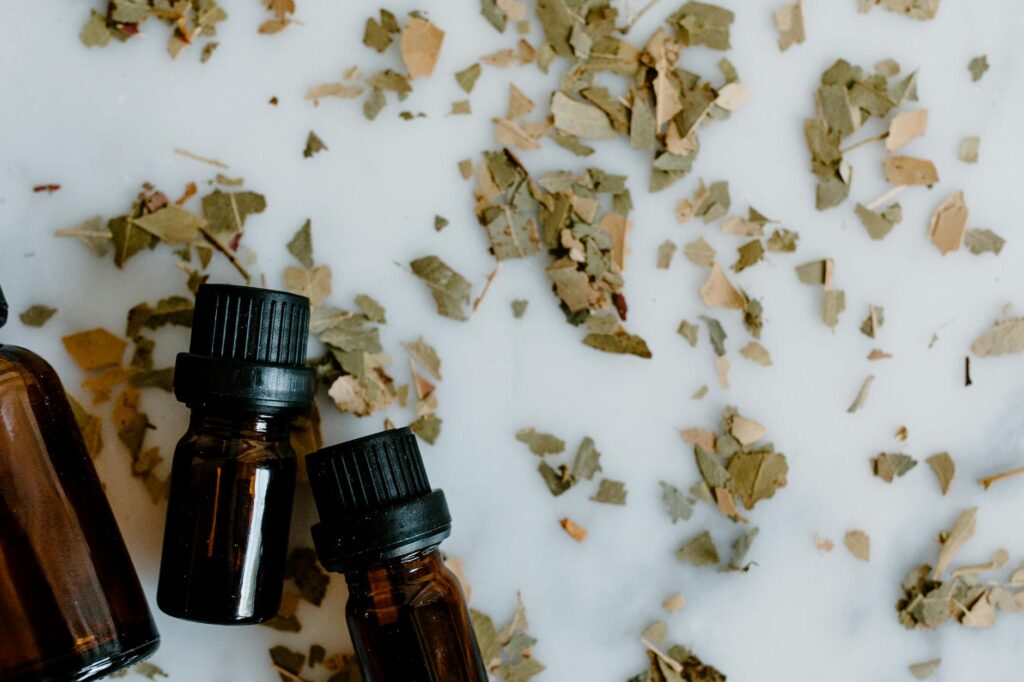
Use dark glass bottles (amber or cobalt) to protect essential oils from light degradation. Avoid plastic containers, as essential oils can break down certain types of plastic.
Shelf Life
Essential oils generally have a shelf life ranging from 1 to 3 years, depending on the oil. Citrus oils may have a shorter shelf life, while oils like patchouli and sandalwood can improve with age. Always check for any changes in aroma, consistency, or color that may indicate spoilage.
Frequently Asked Questions
Can I use essential oils if I have allergies?
While some essential oils can help alleviate allergies, others may exacerbate them. It is advisable to consult with a healthcare professional before using essential oils if you have a history of allergies.
How often can I use aromatherapy blends for seasonal immune support?
The frequency of use depends on the specific blend and individual tolerance. Generally, using a blend 2-3 times a day for topical applications or diffusion is considered safe for most individuals.
Are there any essential oils to avoid during pregnancy?
Certain essential oils are contraindicated during pregnancy, including clary sage, rosemary, and basil. Always consult with a healthcare provider before using essential oils in pregnancy.
Can children use essential oils?
Yes, but with caution. Children require diluted oils and specific blends suitable for their age. Always consult with a qualified professional for guidance on safe usage.
How do I know which essential oils are best for my needs?
Identifying your specific needs—whether that be stress relief, immune support, or respiratory health—can guide your selection. Researching the properties of various oils or consulting with an aromatherapy professional can provide tailored recommendations.
Conclusion
Aromatherapy blends for seasonal immune support offer a natural approach to enhancing overall wellness during times of change. By understanding the properties, applications, and safety considerations surrounding essential oils, individuals can create effective blends tailored to their specific needs. Whether through diffusion, topical application, or inhalation, the right combination of essential oils can provide not only physical support but emotional balance as well. Embrace the transformative power of nature through aromatherapy and discover the potential benefits it can bring to your seasonal immune health.