
Complete Guide to Aromatherapy Blends for Seasonal Immune Support Part 5
Introduction
As the seasons change, our bodies often require additional support to maintain optimal health. Aromatherapy, the practice of using essential oils to enhance physical and emotional well-being, has gained recognition for its potential benefits in supporting immune function. This guide explores the concept of aromatherapy blends specifically designed for seasonal immune support, offering insights into their benefits, applications, and safety considerations.
What Is Aromatherapy Blends for Seasonal Immune Support?
Aromatherapy blends for seasonal immune support consist of carefully selected essential oils that are combined to create a synergistic effect. These blends are formulated to help enhance the body’s natural defenses during times when immune system activity may be challenged, such as during seasonal transitions. The essential oils used in these blends may possess properties that promote respiratory health, reduce stress, and support overall wellness.
Key Components of Aromatherapy Blends
1. Essential Oils: Concentrated extracts from plants, essential oils contain volatile compounds that provide aromatic and therapeutic properties.
2. Carrier Oils: These oils are used to dilute essential oils for safe topical application. Common carrier oils include jojoba, sweet almond, and fractionated coconut oil.
3. Synergy: The combination of different essential oils can enhance their individual effects, making the blend more effective than the sum of its parts.
Key Benefits and Properties
Aromatherapy blends for seasonal immune support can offer a variety of benefits, including:
1. Enhanced Respiratory Function: Certain essential oils, such as eucalyptus and peppermint, may help to clear congestion and support healthy breathing.
2. Stress Reduction: Oils like lavender and chamomile can promote relaxation and reduce feelings of stress, which is beneficial for overall immune function.
3. Antimicrobial Properties: Some essential oils, such as tea tree and oregano, have been studied for their potential antimicrobial effects, which may help protect against seasonal pathogens.
4. Mood Enhancement: Uplifting oils like citrus can improve mood and promote a sense of well-being, which can indirectly support immune health.
Common Uses
Aromatherapy blends for seasonal immune support can be used in various ways, allowing for flexibility in application depending on individual preferences and needs. Common uses include:
1. Inhalation: Diffusing essential oils in a room or inhaling directly from the bottle can provide immediate aromatic benefits.
2. Topical Application: Applying diluted blends to pulse points or areas of concern can offer localized support.
3. Baths: Adding essential oils to a warm bath can create a soothing experience while allowing for the absorption of beneficial compounds.
4. Steam Inhalation: Adding essential oils to hot water and inhaling the steam can provide respiratory support.
Aromatherapy Applications
Creating Your Own Blends
When formulating your own aromatherapy blends for seasonal immune support, consider the following essential oils known for their beneficial properties:
1. Eucalyptus: Known for its respiratory-supporting properties, eucalyptus can help clear airways and promote easy breathing.
2. Tea Tree: With its potential antimicrobial properties, tea tree oil is often included in blends aimed at bolstering the immune system.
3. Lemon: A refreshing and uplifting oil, lemon can enhance mood and provide a sense of cleanliness in the air.
4. Lavender: Renowned for its calming effects, lavender can help reduce stress and improve sleep quality, both crucial for immune function.
5. Peppermint: This oil can provide a cooling sensation and enhance alertness, making it an excellent addition to your seasonal blends.
Sample Blend Recipe
Here is a simple recipe for an aromatherapy blend aimed at supporting the immune system during seasonal transitions:
Ingredients:
- 10 drops of eucalyptus essential oil
- 5 drops of tea tree essential oil
- 5 drops of lemon essential oil
- 5 drops of lavender essential oil
- 2 tablespoons of a carrier oil (e.g., sweet almond oil)
Instructions:
1. In a small dark glass bottle, combine the essential oils.
2. Add the carrier oil and shake gently to mix.
3. Label the bottle with the blend name and date.
4. Use the blend topically on pulse points or add a few drops to a diffuser.
Safety Considerations
While aromatherapy can be beneficial, it is essential to consider safety when using essential oils, especially for seasonal immune support. Here are some important safety tips:
1. Dilution: Always dilute essential oils with a carrier oil before applying them to the skin to prevent irritation.
2. Patch Testing: Conduct a patch test by applying a diluted blend to a small area of skin to check for any adverse reactions.
3. Pregnancy and Nursing: Some essential oils are not recommended during pregnancy or breastfeeding. Research specific oils before use.
4. Children and Pets: Be cautious when using essential oils around children and pets, as some oils can be harmful to them.
5. Consultation: If you have pre-existing health conditions or are taking medications, consult with a healthcare professional before using essential oils.
Storage and Shelf Life
Proper storage of essential oils and blends is crucial to maintain their potency and effectiveness. Consider the following guidelines:
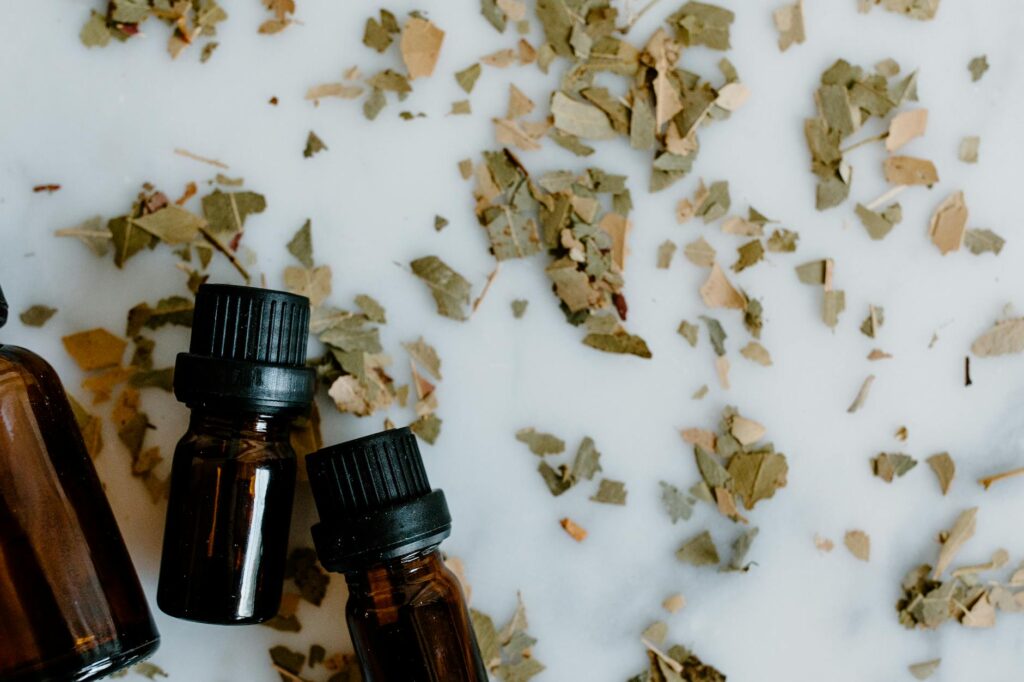
1. Dark Glass Containers: Store essential oils in dark glass containers to protect them from light, which can degrade their quality.
2. Cool, Dry Place: Keep oils in a cool, dry place away from direct sunlight and heat sources.
3. Shelf Life: The shelf life of essential oils varies depending on the type. Generally, citrus oils have a shorter shelf life (1-2 years), while others like patchouli or cedarwood can last much longer (up to 10 years or more).
Frequently Asked Questions
1. Can I use essential oils for children?
Yes, but it is important to use child-safe essential oils and to dilute them appropriately. Consult resources or a healthcare professional for guidance.
2. What is the best way to diffuse essential oils?
You can use an ultrasonic diffuser, a nebulizer, or simply add a few drops to a bowl of hot water for steam inhalation. Follow the manufacturer’s instructions for diffusers.
3. Can I use essential oils if I have allergies?
While some essential oils may help alleviate allergy symptoms, it’s essential to perform a patch test to ensure you do not have a sensitivity. Consult with a healthcare professional if you’re unsure.
4. How often can I use aromatherapy blends?
Usage frequency can vary based on individual needs and the blend’s potency. Generally, it is recommended to use blends 1-3 times per day, depending on the method of application.
5. Are there any essential oils I should avoid?
Certain essential oils, such as those derived from wintergreen or birch, should be avoided in large amounts as they can be toxic. Always research individual oils before use.
Conclusion
Aromatherapy blends for seasonal immune support can serve as a valuable tool in maintaining wellness during times of transition. By understanding the properties of essential oils and how to use them safely, individuals can harness the potential benefits of aromatherapy to enhance their overall health and well-being. As with any holistic approach, it is essential to remain informed and mindful of individual needs and sensitivities, ensuring a positive experience with these natural remedies.