
Complete Guide to Aromatherapy Blends for Seasonal Immune Support
Introduction
As the seasons change, many individuals experience fluctuations in their immune health. The transition from warm to cold months often brings about an increase in colds, allergies, and other respiratory issues. Aromatherapy, the practice of using essential oils for therapeutic benefit, offers a natural approach to support the immune system during these times. This guide delves into the world of aromatherapy blends designed specifically for seasonal immune support, exploring their benefits, applications, and considerations.
What Is Aromatherapy Blends for Seasonal Immune Support?
Aromatherapy blends for seasonal immune support are formulated combinations of essential oils that are believed to bolster the body’s natural defenses. These blends typically incorporate oils known for their antimicrobial, anti-inflammatory, and immune-boosting properties. Essential oils are extracted from various plants, including flowers, leaves, bark, and roots, and each possesses unique characteristics.
Customarily, these blends are created to address seasonal challenges, such as changes in weather, allergens, and respiratory discomfort. By inhaling these aromas or applying them topically, users may experience both physical and emotional benefits.
Key Benefits and Properties
Aromatherapy blends for immune support can offer several key benefits:
1. Antimicrobial Properties: Many essential oils possess natural antimicrobial properties that can help combat viruses and bacteria. Oils like tea tree, eucalyptus, and thyme are noted for their effectiveness in this area.
2. Anti-inflammatory Effects: Seasonal changes can trigger inflammation in the body. Essential oils such as peppermint and lavender may help reduce inflammation and promote a sense of well-being.
3. Respiratory Support: Certain oils, like eucalyptus and rosemary, can help clear respiratory pathways, making it easier to breathe during allergy season or cold months.
4. Mood Enhancement: The psychological effects of aromatherapy are well documented. Citrus oils like lemon and orange can uplift mood, promote relaxation, and reduce stress, which is essential for maintaining a healthy immune system.
5. Balancing and Grounding: Blends that include grounding oils such as cedarwood or frankincense can help stabilize emotions and support overall mental clarity during stressful seasonal transitions.
Common Uses
Aromatherapy blends for seasonal immune support can be used in various ways:
- Diffusion: Adding a few drops of the blend to a diffuser disperses the essential oils into the air, allowing for inhalation and promoting an uplifting atmosphere.
- Inhalation: Placing a few drops on a cotton ball or tissue and inhaling directly can provide immediate relief for respiratory discomfort.
- Topical Application: Diluting essential oils in a carrier oil (such as jojoba or sweet almond oil) allows for safe application on the skin, particularly on pulse points or areas of concern.
- Bathing: Adding a few drops of a blend to a warm bath can create a relaxing experience while providing potential therapeutic benefits.
- Steam Inhalation: Adding a few drops of essential oil to hot water and inhaling the steam can help clear nasal passages and promote respiratory health.
- 5 drops Lemon
- 3 drops Orange
- 2 drops Grapefruit
- 4 drops Eucalyptus
- 3 drops Tea Tree
- 2 drops Peppermint
- 4 drops Lavender
- 3 drops Frankincense
- 2 drops Cedarwood
- Dilution: Always dilute essential oils with a carrier oil before applying them to the skin to prevent irritation.
- Patch Test: Conduct a patch test on a small skin area to check for any allergic reactions.
- Avoiding Sensitive Areas: Keep essential oils away from sensitive areas such as the eyes, mucous membranes, and broken skin.
- Consultation: Pregnant or nursing individuals, children, and those with pre-existing health conditions should consult with a healthcare professional before using essential oils.
- Quality of Oils: Use high-quality essential oils from reputable sources. Synthetic fragrances can cause adverse reactions and do not have the same therapeutic properties.
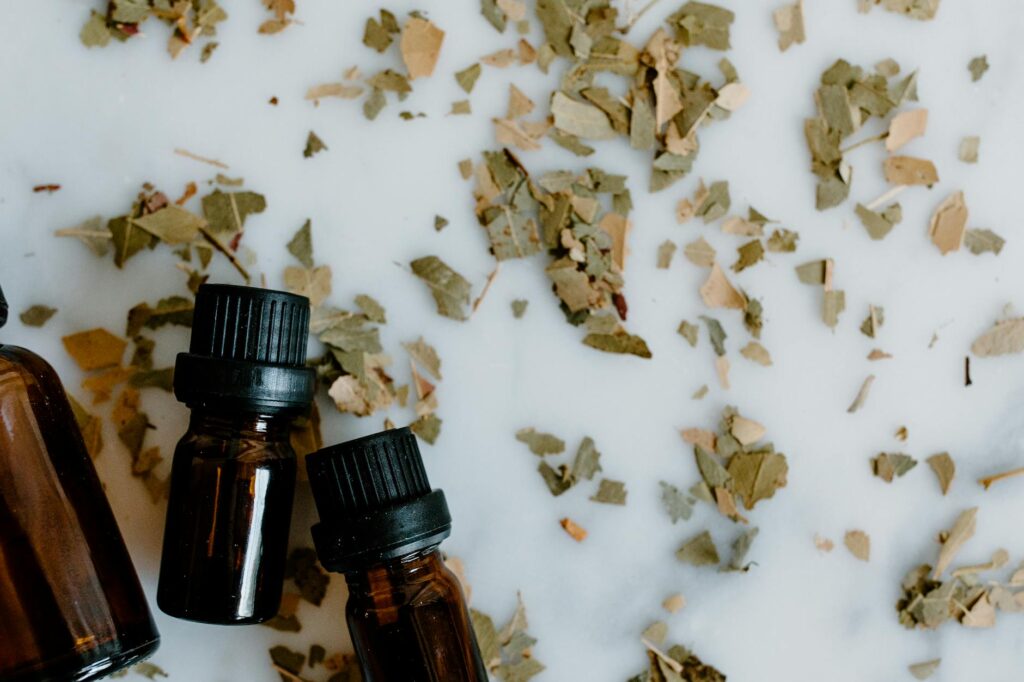
- Dark Glass Containers: Store essential oils in dark glass bottles to protect them from light degradation.
- Cool, Dry Place: Keep oils in a cool, dry place away from direct sunlight and heat sources.
- Shelf Life: The shelf life of essential oils varies by type. Generally, citrus oils have a shorter shelf life (around 1-2 years), while oils like cedarwood and patchouli can last up to 5 years or more if stored properly.
Aromatherapy Applications
Popular Essential Oils for Immune Support
1. Tea Tree (Melaleuca alternifolia): Renowned for its antiseptic and antimicrobial properties, tea tree oil is commonly used to support a healthy immune function.
2. Eucalyptus (Eucalyptus globulus): This oil is known for its ability to clear airways, making it a popular choice for respiratory support.
3. Lavender (Lavandula angustifolia): Known for its calming properties, lavender can help reduce stress and promote restful sleep, which are vital for immune health.
4. Lemon (Citrus limon): This uplifting oil is both refreshing and immune-boosting, often used to enhance mood and energy levels.
5. Peppermint (Mentha piperita): Peppermint oil can provide relief from headaches and respiratory discomfort, making it a versatile choice in immune support blends.
Sample Blends
Here are a few sample blends for seasonal immune support:
1. Citrus Fresh Blend:
2. Respiratory Relief Blend:
3. Calming Immune Boost Blend:
To create these blends, simply mix the specified number of drops in a dark glass bottle, which helps preserve the integrity of the oils.
Safety Considerations
While aromatherapy is generally considered safe, several precautions should be taken:
Storage and Shelf Life
Essential oils should be stored properly to maintain their potency. Here are some guidelines:
Frequently Asked Questions
Can I use essential oils if I have allergies?
Yes, many people with allergies find relief from certain essential oils. However, it is essential to identify and avoid any oils that may trigger allergic reactions.
How often can I use these blends?
Frequency of use can depend on the individual and the method of application. For diffusion, several hours a day is generally safe. For topical application, once or twice a day is common, but listen to your body and adjust as needed.
Are there any essential oils to avoid during pregnancy?
Yes, certain essential oils should be avoided during pregnancy, such as basil, rosemary, and sage. Always consult with a healthcare provider for personalized advice.
Can children use these blends?
Some essential oils are considered safe for children, but dilution is crucial. Always consult a pediatrician before using essential oils on young children.
What is the best way to diffuse essential oils for immune support?
Using an electric diffuser is one of the best methods, as it allows for a consistent release of essential oils into the air. Alternatively, you can use a ceramic or reed diffuser for a more passive approach.
Conclusion
Aromatherapy blends for seasonal immune support present a holistic approach to maintaining health and wellness during transitional periods. By understanding the properties and benefits of various essential oils, individuals can create effective blends tailored to their needs. While aromatherapy should not replace traditional medical care, it serves as a complementary practice that can enhance overall well-being. Always prioritize safety and quality, and enjoy exploring the aromatic world of essential oils.