
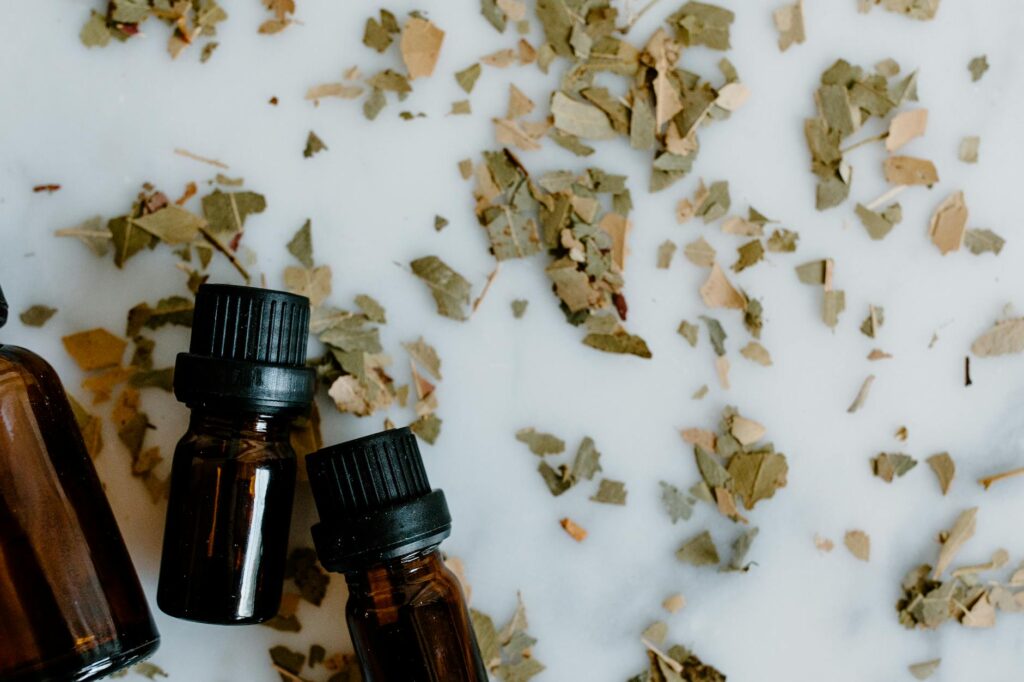
Complete Guide to Aromatherapy Blends for Seasonal Immune System Support
Introduction
Aromatherapy, the practice of using plant extracts for therapeutic purposes, has gained popularity for its potential benefits in enhancing wellness. Among its various applications, seasonal immune system support is particularly relevant, especially during times when environmental changes can impact health. This guide will explore aromatherapy blends specifically designed to bolster the immune system during seasonal transitions, outlining their benefits, common uses, applications, safety considerations, and more.
What Are Aromatherapy Blends for Seasonal Immune System Support?
Aromatherapy blends for seasonal immune system support are mixtures of essential oils that are combined to enhance the body’s natural defenses during transitional periods, such as autumn and spring. These blends typically include essential oils known for their immune-boosting properties, anti-inflammatory effects, and ability to promote overall well-being. The synergy of these oils can create a powerful tool for maintaining health during times of increased susceptibility to illness.
Key Benefits and Properties
The primary benefits of using aromatherapy blends for immune support include:
Immune System Boosting
Certain essential oils, such as tea tree, eucalyptus, and lemon, possess properties that can stimulate the immune system’s activity, potentially enhancing the body’s ability to fend off pathogens.
Antimicrobial Properties
Many essential oils exhibit antimicrobial properties, making them effective in combating bacteria, viruses, and fungi. Oils like oregano and thyme are well-known for their ability to help maintain a healthy microbial balance.
Anti-Inflammatory Effects
Essential oils such as frankincense and ginger contain compounds that can help reduce inflammation, supporting overall health and comfort during seasonal changes.
Mood Enhancement
Seasonal shifts can often lead to mood fluctuations. Oils like lavender and bergamot can help alleviate feelings of stress and anxiety, promoting emotional well-being during transitional periods.
Common Uses
Aromatherapy blends for seasonal immune support can be utilized in various ways, including:
Diffusion
Using a diffuser, individuals can disperse the blend throughout a room, allowing the aromatic molecules to permeate the air and provide an uplifting atmosphere.
Topical Application
When diluted with a carrier oil, these blends can be applied to pulse points, such as wrists or behind the ears, where the scent can be inhaled throughout the day.
Inhalation
Direct inhalation from a bottle or cotton ball can provide immediate benefits, especially during times of congestion or respiratory discomfort.
Bath Soaks
Adding a few drops of an immune-supporting blend to a warm bath can create a relaxing and therapeutic experience.
Cleaning Products
Incorporating essential oils into household cleaning solutions can help maintain a hygienic environment while providing aromatic benefits.
Aromatherapy Applications
Popular Essential Oils for Immune Support
1. Tea Tree Oil: Known for its powerful antimicrobial properties, tea tree oil can help combat infections.
2. Eucalyptus Oil: Often used for respiratory support, eucalyptus oil can aid in clearing airways.
3. Lemon Oil: This uplifting oil has natural disinfectant properties and can enhance mood.
4. Thyme Oil: Renowned for its strong antibacterial effects, thyme oil can support the immune system.
5. Lavender Oil: Valued for its calming properties, lavender oil can help reduce stress levels.
6. Peppermint Oil: This invigorating oil can help clear the mind and promote respiratory health.
Sample Blends for Immune Support
1. Citrus Defense Blend:
- 5 drops Lemon Oil
- 3 drops Tea Tree Oil
- 2 drops Lavender Oil
- 4 drops Eucalyptus Oil
- 3 drops Peppermint Oil
- 2 drops Rosemary Oil
- 3 drops Frankincense Oil
- 2 drops Ginger Oil
- 2 drops Orange Oil
- Store essential oils in dark glass bottles to protect them from light exposure, which can degrade their quality.
- Keep oils in a cool, dry place, away from heat sources and humidity.
- Most essential oils have a shelf life of 1 to 3 years, depending on the type. Citrus oils tend to have shorter shelf lives compared to woody or resinous oils.
2. Respiratory Relief Blend:
3. Soothing Comfort Blend:
To create these blends, mix the essential oils in a dark glass bottle and store it in a cool, dark place.
Safety Considerations
While aromatherapy can be beneficial, safety is paramount. Here are some essential tips:
Dilution
Always dilute essential oils with a carrier oil (such as jojoba, sweet almond, or coconut oil) before topical application. A general guideline is to use a 2% dilution, which equates to about 12 drops of essential oil per ounce of carrier oil.
Sensitivity
Perform a patch test prior to wider application to check for any skin sensitivities. Apply a small amount of the diluted blend to an inconspicuous area and monitor for any adverse reactions.
Consultation
Individuals with specific health conditions, pregnant or nursing women, and children should consult with a healthcare professional or a certified aromatherapist before using essential oils.
Quality of Oils
Choose high-quality, pure essential oils from reputable sources. Look for oils that are labeled as 100% pure and free from synthetic additives.
Storage and Shelf Life
Proper storage of essential oils is crucial to maintain their potency and effectiveness. Here are some guidelines:
Frequently Asked Questions
Can I use essential oils every day for immune support?
Yes, many people use essential oils daily; however, it’s advisable to rotate different oils and blends to avoid sensitization.
Are there any oils I should avoid during pregnancy?
Certain oils, such as clary sage and rosemary, are often advised against during pregnancy. Always consult a healthcare professional before use.
Can children use essential oils?
Yes, but it’s essential to dilute them significantly and choose oils that are safe for children. Generally, oils like lavender and chamomile are considered safe for use on children over two years old.
How long does the aroma of essential oils last when diffused?
The duration of the aroma can vary based on several factors, including the type of oil used, the size of the room, and the diffuser settings. Most diffusers release aroma for several hours.
Can I mix different blends together?
While blending different essential oils can create unique scents, it’s important to consider the properties and effects of each oil. Testing small amounts is advisable before larger applications.
Conclusion
Aromatherapy blends for seasonal immune system support offer a natural approach to enhancing well-being during times of environmental change. By understanding the properties and uses of various essential oils, individuals can create personalized blends tailored to their needs. Always prioritize safety, and consult with professionals when necessary, to ensure a positive and enriching experience with aromatherapy.