
Complete Guide to Aromatherapy Blends for Seasonal Mood Adjustment
Introduction
As the seasons shift, many individuals experience fluctuations in mood and emotional well-being. Aromatherapy, the practice of using essential oils derived from plants, offers a natural approach to support emotional balance during these transitions. This guide explores the concept of aromatherapy blends specifically designed for seasonal mood adjustment, delving into their benefits, applications, and safety considerations.
What Are Aromatherapy Blends for Seasonal Mood Adjustment?
Aromatherapy blends for seasonal mood adjustment are combinations of essential oils formulated to enhance emotional well-being throughout various times of the year. These blends can target common seasonal mood challenges, such as:
- Winter blues (seasonal affective disorder)
- Spring allergies and irritability
- Summer heat fatigue
- Autumn melancholy
- Diffusion: Using an essential oil diffuser to disperse the scent throughout a room.
- Topical Application: Diluting essential oils in a carrier oil and applying them to the skin, particularly pulse points like wrists and temples.
- Inhalation: Directly inhaling the aroma from a bottle or using a personal inhaler.
- Bathing: Adding essential oils to bath water for a relaxing soak.
- Massage: Incorporating blends into massage therapy to enhance relaxation or mood uplift.
- Room Diffusion: Add several drops of your chosen blend to an essential oil diffuser with water, allowing the aroma to fill the space.
- Personal Inhalers: Combine essential oils in a small inhaler tube for on-the-go support. This method is particularly useful for quick mood adjustments.
- Massage Oils: Mix essential oils with a carrier oil like jojoba or sweet almond oil for a soothing massage experience.
- Bath Salts: Incorporate essential oils into homemade bath salts for a relaxing soak that can also uplift the mood.
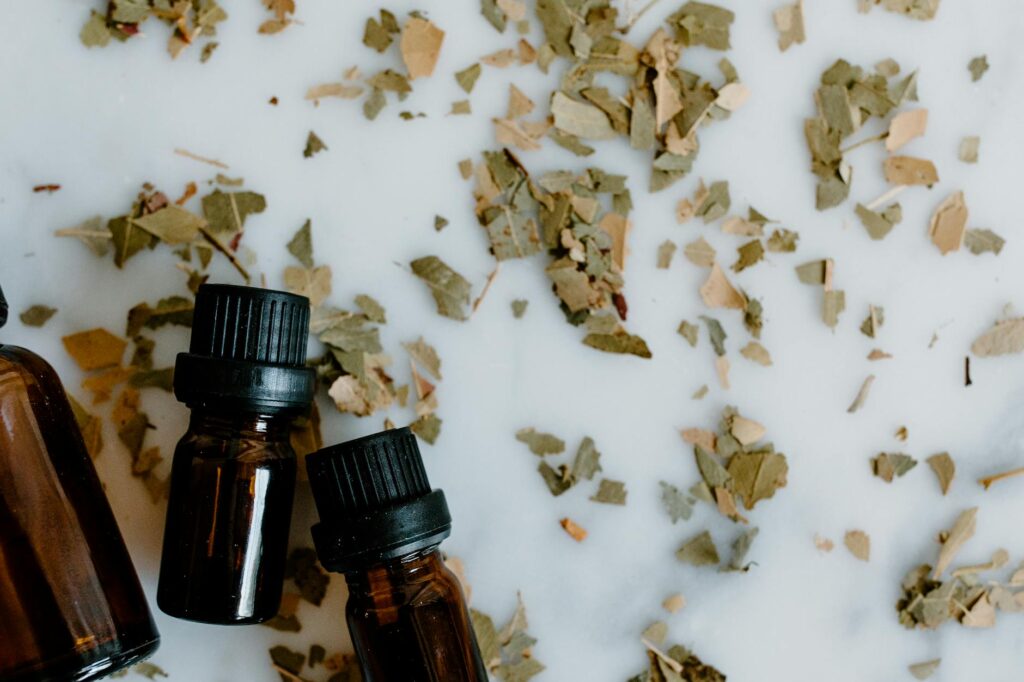
- Keep Away from Light: Store essential oils in dark glass bottles to protect them from light degradation.
- Cool Environment: Essential oils should be kept in a cool, dry place, away from heat sources.
- Tightly Sealed: Ensure the bottles are tightly sealed to prevent evaporation and contamination.
By harnessing the natural properties of essential oils, these blends aim to uplift, calm, and stabilize moods, providing a holistic approach to emotional wellness.
Key Benefits and Properties
The benefits of using aromatherapy blends for seasonal mood adjustment include:
1. Emotional Support: Specific essential oils are known for their uplifting or calming properties. For example, citrus oils like lemon and orange can promote feelings of happiness, while lavender and chamomile may help alleviate stress and anxiety.
2. Enhanced Relaxation: Certain oils encourage relaxation and can help improve sleep quality, which is often disrupted by seasonal changes.
3. Increased Focus and Clarity: Blends that include oils like peppermint and rosemary can enhance mental clarity and concentration, particularly during the busy back-to-school season or the holiday rush.
4. Boosted Immune Support: While not a medical treatment, some essential oils possess properties that can support overall wellness, which can be beneficial during times when seasonal illnesses are prevalent.
5. Natural Fragrance: Aromatherapy blends provide a pleasant and natural alternative to synthetic fragrances, contributing to a more harmonious living environment.
Common Uses
Aromatherapy blends can be utilized in various ways, depending on personal preference and lifestyle. Common uses include:
Aromatherapy Applications
Seasonal Blends
1. Winter Blend: Combining essential oils like pine, cedarwood, and sweet orange can create a warm, comforting atmosphere during the colder months. This blend can help combat feelings of isolation or sadness often associated with winter.
2. Spring Blend: A refreshing mix of bergamot, grapefruit, and rosemary can invigorate the senses and promote a sense of renewal and energy as the days grow longer.
3. Summer Blend: Oils such as lavender, peppermint, and eucalyptus can cool and refresh, providing relief from the heat and encouraging a sense of calm during the busy summer months.
4. Autumn Blend: A cozy blend of cinnamon, clove, and orange can evoke the warm feelings of fall, helping to ground and comfort as the days shorten.
Application Methods
Safety Considerations
While aromatherapy is generally safe for most individuals, there are certain precautions to consider:
1. Dilution: Essential oils should always be diluted in a carrier oil before topical application to minimize the risk of skin irritation.
2. Patch Testing: It is advisable to perform a patch test on a small area of skin before using a new blend extensively.
3. Allergies: Individuals with allergies or sensitivities should research essential oils thoroughly and consult with a professional if uncertain about specific oils.
4. Pregnancy and Nursing: Some essential oils are not recommended for use during pregnancy or nursing. It is best to consult a qualified professional for guidance.
5. Children and Pets: Certain essential oils can be harmful to children and pets. Always ensure that the oils being used are safe for the specific age group or species.
Storage and Shelf Life
Proper storage of essential oils is essential to maintain their potency and effectiveness. Here are some tips for optimal storage:
Most essential oils have a shelf life of approximately 1 to 3 years, although some oils, like citrus, may have a shorter lifespan. Always check for changes in aroma, consistency, or color, which may indicate that an oil has expired.
Frequently Asked Questions
1. Can I create my own aromatherapy blends for mood adjustment?
Yes, many individuals create personalized blends by combining essential oils that resonate with them. Experimentation can lead to discovering unique scents that help achieve desired emotional states.
2. How long does the effect of aromatherapy last?
The duration of aromatherapy effects can vary based on the individual and the method of application. While immediate effects can be felt upon inhalation or diffusion, longer-lasting benefits may depend on consistent use over time.
3. Are there any essential oils to avoid?
Certain essential oils, such as those derived from wintergreen or birch, should be avoided in topical applications without professional guidance due to their potential toxicity. Always research essential oils before use.
4. Can aromatherapy replace traditional treatments for mood disorders?
Aromatherapy should not be viewed as a replacement for medical treatment. It can serve as a complementary practice to support emotional well-being but should not replace professional advice or treatment for mood disorders.
5. How do I know which essential oils are best for me?
Choosing essential oils often involves personal preference and experimentation. Consider your emotional needs and aromatic preferences, and consult reputable sources or professionals for guidance.
Conclusion
Aromatherapy blends for seasonal mood adjustment provide a natural and holistic way to enhance emotional well-being. By understanding the key benefits, common applications, and safety considerations, individuals can thoughtfully incorporate essential oils into their daily routines. Whether used for relaxation, invigoration, or grounding, these blends offer an accessible approach to navigating the emotional ebb and flow of the seasons.