
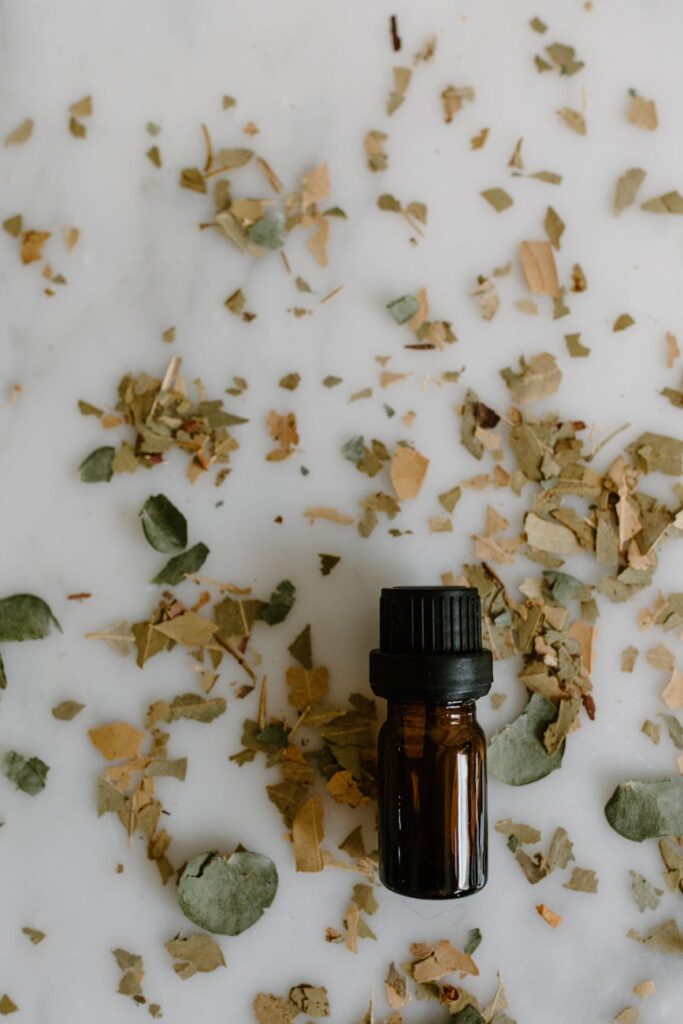
Complete Guide to Aromatherapy Blends for Seasonal Mood Enhancement Part 4
Introduction
As seasonal changes usher in variations in weather, light, and atmosphere, they can also influence our emotional and psychological well-being. Aromatherapy, the practice of using essential oils for therapeutic purposes, offers a natural approach to enhance mood and alleviate seasonal challenges. This guide delves into the intricacies of aromatherapy blends specifically designed for seasonal mood enhancement, covering their benefits, common uses, applications, safety considerations, and storage methods.
What Is Aromatherapy Blends for Seasonal Mood Enhancement?
Aromatherapy blends for seasonal mood enhancement are carefully crafted combinations of essential oils that aim to elevate mood, reduce stress, and foster emotional balance during specific times of the year. These blends are informed by the unique characteristics and challenges associated with each season. For instance, the winter months may evoke feelings of melancholy for some, while summer can inspire energy and vitality. By harnessing the aromatic compounds found in essential oils, these blends work to support emotional well-being in a holistic manner.
Key Benefits and Properties
Aromatherapy blends for seasonal mood enhancement offer numerous benefits that cater to emotional and psychological needs. Some key benefits include:
1. Mood Elevation
Certain essential oils, such as citrus oils, are well-known for their uplifting properties. They can help combat feelings of sadness, fatigue, or anxiety, particularly during darker months.
2. Stress Relief
Blends containing calming oils like lavender or chamomile can promote relaxation, helping to alleviate stress associated with seasonal changes.
3. Enhanced Focus and Clarity
Essential oils like rosemary and peppermint are recognized for their ability to enhance cognitive function, making them ideal for those needing additional focus during busy seasons.
4. Improved Sleep Quality
Seasonal shifts can impact sleep patterns. Blends designed with sedative oils, such as bergamot and vetiver, may help encourage restful sleep.
5. Balanced Emotions
Certain oils can support emotional balance, helping to soothe feelings of irritability or mood swings that may arise due to seasonal transitions.
Common Uses
Aromatherapy blends can be utilized in various ways, each tailored to individual preferences and settings. Some common uses include:
1. Diffusion
Using an essential oil diffuser, individuals can disperse the aromatic compounds throughout a room, creating a calming or invigorating atmosphere.
2. Topical Application
When diluted with a carrier oil, aromatherapy blends can be applied to pulse points, such as wrists or behind the ears, allowing for personal inhalation throughout the day.
3. Bathing
Adding essential oil blends to bathwater can create a soothing experience, helping to relax both the mind and body.
4. Inhalation
Simply inhaling the scent directly from the bottle or from a cotton ball soaked with the blend can provide immediate mood enhancement.
5. Home Cleaning
Incorporating essential oils into cleaning solutions can not only disinfect but also uplift the ambiance of living spaces.
Aromatherapy Applications
Aromatherapy blends can be customized for each season, allowing individuals to tailor their experience according to their specific needs. Here are some seasonal blend suggestions:
Spring
- Blends: Lemon, lavender, and rosemary
- Purpose: To promote renewal, energy, and clarity as nature awakens.
- Blends: Peppermint, grapefruit, and eucalyptus
- Purpose: To invigorate and refresh, combatting heat-induced fatigue.
- Blends: Cinnamon, clove, and orange
- Purpose: To provide warmth and comfort, fostering feelings of coziness.
- Blends: Frankincense, cedarwood, and bergamot
- Purpose: To uplift and ground during the darker, colder months.
Summer
Autumn
Winter
Safety Considerations
While aromatherapy is generally considered safe when used correctly, there are essential safety guidelines to follow:
1. Dilution
Always dilute essential oils with a carrier oil before topical application to prevent skin irritation. A typical dilution ratio is 2-3% for adults (about 12-18 drops of essential oil per ounce of carrier oil).
2. Patch Testing
Conduct a patch test on a small area of skin to check for allergic reactions or sensitivities before broader application.
3. Pregnancy and Nursing
Consult a healthcare professional before using essential oils if pregnant or nursing, as some oils may not be advisable during these stages.
4. Children and Pets
Use caution when using essential oils around children and pets, as certain oils can be toxic to animals and may require specific dilutions for children.
5. Inhalation
While inhalation is generally safe, individuals with respiratory issues should proceed with caution and consult a healthcare provider if necessary.
Storage and Shelf Life
Proper storage is crucial for maintaining the integrity and effectiveness of essential oils. Here are some guidelines:
1. Dark Glass Containers
Store essential oils in dark glass bottles to protect them from light exposure, which can degrade their quality.
2. Cool, Dry Place
Keep oils in a cool, dry place away from heat sources to prevent evaporation and degradation.
3. Shelf Life
The shelf life of essential oils varies by type, but most can last from 1 to 3 years if stored properly. Citrus oils tend to have a shorter shelf life, while oils like patchouli can improve with age.
Frequently Asked Questions
1. Can I create my own aromatherapy blends?
Yes, experimenting with different essential oils can lead to unique blends that resonate with your preferences and needs. Start with a few oils that align with your desired effects, and adjust proportions as needed.
2. Are there any essential oils to avoid during pregnancy?
Certain oils, such as rosemary, clary sage, and juniper, are often advised against during pregnancy. Always consult a healthcare professional for personalized recommendations.
3. Can aromatherapy help with seasonal affective disorder (SAD)?
While aromatherapy may help improve mood and provide comfort during seasons associated with SAD, it should not replace professional treatment. Always seek advice from qualified healthcare providers for mental health concerns.
4. How often can I use aromatherapy blends?
The frequency of use depends on personal preferences and individual reactions. Many people find benefit in daily or multiple applications, while others may prefer less frequent use.
5. What are some essential oils that are good for mood enhancement?
Citrus oils, such as lemon and orange, are widely recognized for their uplifting qualities. Other mood-enhancing oils include lavender, frankincense, and ylang-ylang.
Conclusion
Aromatherapy blends for seasonal mood enhancement provide a natural and holistic way to navigate the emotional ups and downs associated with changing seasons. By understanding the benefits, applications, and safety considerations, individuals can empower themselves to harness the therapeutic properties of essential oils. With careful formulation and thoughtful application, these blends can serve as a valuable ally in promoting emotional well-being throughout the year.