
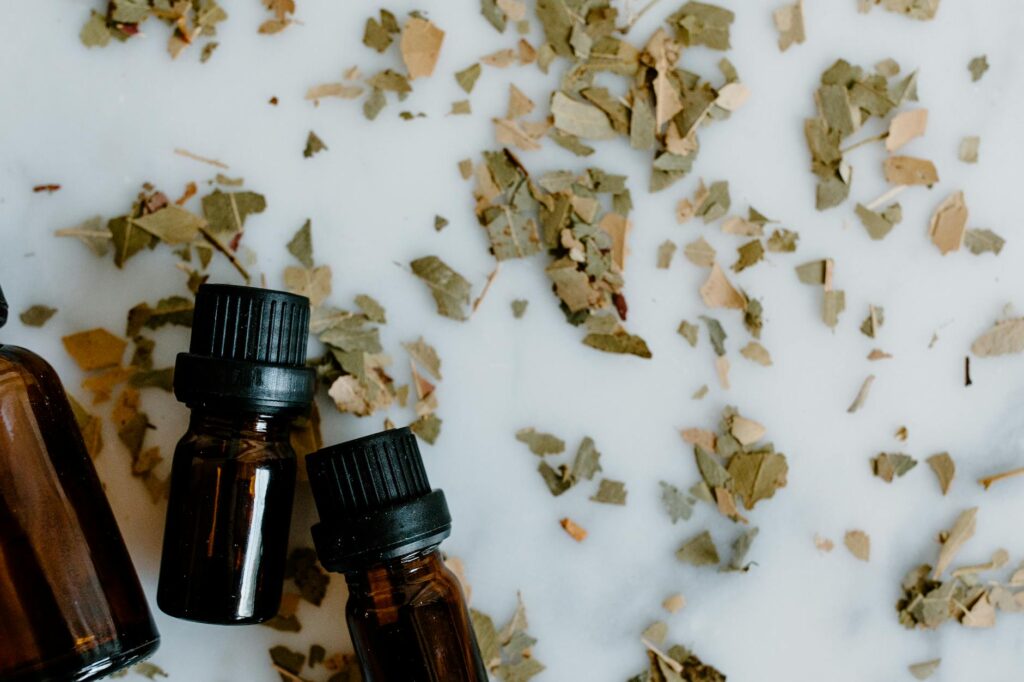
Complete Guide to Aromatherapy Blends for Seasonal Mood Regulation
Introduction
Aromatherapy is an ancient holistic practice that harnesses the natural benefits of essential oils to promote emotional and physical well-being. As seasonal changes occur, many individuals experience fluctuations in mood, energy levels, and overall mental health. This guide explores the use of aromatherapy blends for seasonal mood regulation, offering insights into their properties, applications, and more.
What Is Aromatherapy Blends for Seasonal Mood Regulation?
Aromatherapy blends refer to combinations of essential oils that are specifically formulated to influence mood and emotional state. Seasonal mood regulation involves using these blends to alleviate feelings associated with seasonal affective disorder (SAD), stress, anxiety, or general mood fluctuations that may arise with changing seasons. The practice employs the aromatic properties of essential oils to create a harmonious environment that can uplift and stabilize emotions.
Key Benefits and Properties
Aromatherapy blends for seasonal mood regulation can provide various benefits, including:
1. Emotional Balance: Essential oils such as lavender and bergamot possess calming properties that can help stabilize emotions, reducing feelings of anxiety or stress.
2. Enhanced Mood: Citrus oils like orange and lemon are known for their uplifting qualities, which can promote feelings of happiness and positivity.
3. Relaxation: Oils such as chamomile and ylang-ylang can help soothe tension, encouraging relaxation and a sense of calm.
4. Improved Sleep: Some blends may also assist with sleep quality, which can be particularly beneficial during seasons when daylight is limited.
5. Mental Clarity: Oils like rosemary and peppermint can stimulate the mind and improve focus, countering seasonal lethargy.
Common Uses
Aromatherapy blends can be utilized in various ways, depending on individual preferences and needs. Common applications include:
- Diffusion: Adding essential oil blends to a diffuser allows the aromas to disperse throughout a space, creating a calming or uplifting atmosphere.
- Topical Application: Diluting essential oils with a carrier oil (such as jojoba or coconut oil) enables topical use, allowing for localized benefits on the skin.
- Bathing: Incorporating essential oils into bathwater can provide a soothing experience, promoting relaxation and emotional balance.
- Inhalation: Direct inhalation of essential oils from a bottle or a personal inhaler can offer immediate mood-enhancing effects.
- Room Sprays: Creating a room spray with essential oils can refresh the environment and evoke a desired emotional response.
- Revitalizing Blend: Combine lemon, peppermint, and rosemary to awaken the senses and inspire new beginnings.
- Joyful Blend: Mix bergamot, geranium, and sweet orange to uplift spirits and promote a sense of joy.
- Cooling Blend: Use lavender, eucalyptus, and spearmint to refresh and invigorate during the heat of summer.
- Relaxation Blend: Combine chamomile, ylang-ylang, and sandalwood for soothing experiences during busy summer days.
- Grounding Blend: Blend cedarwood, vetiver, and clary sage for a comforting and grounding effect as the season transitions.
- Cozy Blend: Use cinnamon, nutmeg, and orange to create a warm and inviting atmosphere in the home.
- Uplifting Blend: Combine frankincense, clove, and pine to enhance mood and promote a sense of warmth during the colder months.
- Calming Blend: Use lavender, bergamot, and vanilla for a calming environment, supporting relaxation and sleep.
- Cool, Dark Place: Store essential oils in a cool, dark area away from direct sunlight to prevent degradation.
- Tightly Sealed Containers: Ensure that bottles are tightly sealed to minimize exposure to air and moisture.
- Glass Containers: Use dark glass bottles (amber or cobalt) for storage, as they protect oils from light and help preserve quality.
- Shelf Life: While essential oils can have a long shelf life, it is advisable to use them within 1-3 years after opening, depending on the type of oil. Citrus oils tend to have a shorter shelf life compared to woody oils.
Aromatherapy Applications
Seasonal Blends for Different Times of the Year
Spring
Summer
Autumn
Winter
Safety Considerations
While essential oils are generally safe when used correctly, it is essential to consider the following safety guidelines:
1. Dilution: Always dilute essential oils with a carrier oil for topical application to prevent skin irritation. A common dilution ratio is 2-3 drops of essential oil per teaspoon of carrier oil.
2. Patch Testing: Before applying a new essential oil blend to the skin, perform a patch test on a small area to check for allergic reactions.
3. Pregnancy and Nursing: Some essential oils may not be safe during pregnancy or breastfeeding. Consult with a knowledgeable professional before use.
4. Children and Pets: Certain essential oils may not be suitable for use around children or pets. Research specific oils to ensure safety.
5. Respiratory Conditions: Individuals with respiratory conditions should consult a healthcare professional before using essential oils in diffusers or inhalers.
Storage and Shelf Life
Proper storage of essential oils is essential to maintain their therapeutic properties. Here are some guidelines:
Frequently Asked Questions
1. How do I choose the right essential oils for my seasonal mood?
Selecting the right essential oils often depends on personal preferences and desired effects. Consider what emotions you wish to evoke and research oils known for those properties. Experimentation may help you discover blends that resonate with you.
2. Can I create my own aromatherapy blends?
Yes, creating custom blends can be a rewarding experience. Start with a base oil and add complementary oils, keeping in mind the desired emotional or therapeutic effects. Keep a record of your blends for future reference.
3. How often should I use aromatherapy blends?
The frequency of use can vary based on individual comfort and needs. Many people find daily use beneficial, while others may prefer occasional application during particularly challenging times.
4. Are there any essential oils to avoid?
Some essential oils, such as wintergreen or eucalyptus, may not be suitable for certain individuals, especially children or pregnant women. Always research specific oils and consult with knowledgeable sources if unsure.
5. Can I use aromatherapy blends in conjunction with other treatments?
Aromatherapy can complement other wellness practices, such as meditation, yoga, or counseling. However, always consult with a healthcare professional before integrating new approaches into your routine.
Conclusion
Aromatherapy blends for seasonal mood regulation offer a natural, holistic approach to emotional well-being. By understanding the properties, applications, and safety considerations, individuals can harness the power of essential oils to create a supportive environment that aligns with their emotional needs throughout the year. Embrace the enriching experience of aromatherapy, and explore the myriad possibilities it offers for enhancing mood and fostering well-being in the face of seasonal changes.