
Complete Guide to Aromatherapy Blends for Seasonal Mood Support Techniques
Introduction
As the seasons change, so do our moods and emotional states. Many people experience shifts in energy levels, motivation, and emotional well-being with the transition from one season to another. Aromatherapy, a holistic practice that utilizes the therapeutic properties of essential oils, offers a natural approach to support emotional health throughout these seasonal shifts. This guide explores the intricacies of aromatherapy blends specifically designed for seasonal mood support, providing insight into their benefits, applications, and safety considerations.
What Are Aromatherapy Blends for Seasonal Mood Support Techniques?
Aromatherapy blends refer to carefully curated combinations of essential oils that are used to promote emotional well-being and balance. Seasonal mood support techniques involve utilizing these blends to address common emotional challenges associated with seasonal changes, such as winter blues or springtime anxiety. By harnessing the aromatic properties of essential oils, individuals can create a calming or uplifting atmosphere that aligns with their emotional needs throughout the year.
Key Benefits and Properties
Emotional Balance
Aromatherapy blends can help foster emotional balance, providing a sense of calm during stressful seasons or energizing the mind when lethargy sets in. Certain essential oils possess properties that can uplift the mood, while others may promote relaxation and tranquility.
Stress Relief
Many essential oils have been shown to reduce stress and anxiety levels. For example, lavender and chamomile are renowned for their calming effects, while citrus oils like bergamot and lemon can provide a refreshing boost to the spirit.
Improved Sleep
Seasonal transitions can disrupt sleep patterns, particularly during periods of heightened stress or emotional upheaval. Blends that include sedative oils can promote restful sleep and enhance overall well-being.
Enhanced Focus and Clarity
Certain essential oils can sharpen the mind and improve cognitive function, making them ideal for use during seasons that require increased concentration or motivation. Peppermint and rosemary, for instance, are known for their ability to invigorate the mind.
Common Uses
Aromatherapy blends for seasonal mood support can be used in various ways, depending on personal preferences and lifestyle. Here are some common applications:
Diffusion
Using an essential oil diffuser is one of the most popular methods of dispersing aromatherapy blends throughout a space. This technique allows for the gentle release of aromatic compounds into the air, creating a soothing environment.
Topical Application
Essential oils can be diluted with a carrier oil and applied to the skin. This method is particularly effective for localized emotional support, such as massaging a blend onto pulse points or the chest for calming effects.
Inhalation
Direct inhalation of essential oils is a quick way to experience their benefits. A few drops of a blend can be placed on a tissue or in a personal inhaler for on-the-go support.
Bathing
Adding aromatherapy blends to bathwater can create a luxurious and therapeutic experience. The warm water helps to disperse the oils, allowing for both inhalation and topical absorption.
Aromatherapy Applications
Winter Mood Support
During the winter months, many individuals experience feelings of sadness or lethargy often associated with Seasonal Affective Disorder (SAD). Blends for winter mood support may include essential oils such as:
- Cypress: Known to invigorate and uplift, cypress can help combat feelings of despair.
- Grapefruit: This citrus oil has refreshing properties that can help stimulate the mind and boost energy.
- Frankincense: Often used for its grounding effects, frankincense can promote a sense of peace and well-being.
- Bergamot: This uplifting oil can enhance mood and alleviate feelings of anxiety.
- Jasmine: Known for its euphoric properties, jasmine can inspire feelings of joy and motivation.
- Lemon: Fresh and invigorating, lemon oil can help clear mental fog and promote clarity.
- Peppermint: Energizing and refreshing, peppermint can enhance focus and clarity.
- Lavender: Although typically calming, lavender can also keep one balanced and emotionally steady during the hectic summer months.
- Ylang Ylang: This sweet-scented oil is known for its mood-enhancing properties.
- Sandalwood: This grounding oil fosters calm and can help with emotional balance.
- Clary Sage: Known for its ability to promote relaxation and clarity, clary sage can support emotional well-being during transitional times.
- Cinnamon: Warm and comforting, cinnamon can invoke feelings of safety and grounding.
- Dilution: Essential oils should be diluted with a carrier oil before topical application to prevent skin irritation. A common dilution ratio is 2-3 drops of essential oil per teaspoon of carrier oil.
- Patch Test: Before using a new essential oil blend, perform a patch test on a small area of skin to check for any adverse reactions.
- Pregnancy and Medical Conditions: Pregnant individuals or those with medical conditions should consult healthcare professionals prior to using essential oils.
- Quality of Oils: Ensure that you use high-quality, pure essential oils from reputable sources. Synthetic or adulterated oils may not provide the intended benefits and can cause adverse reactions.
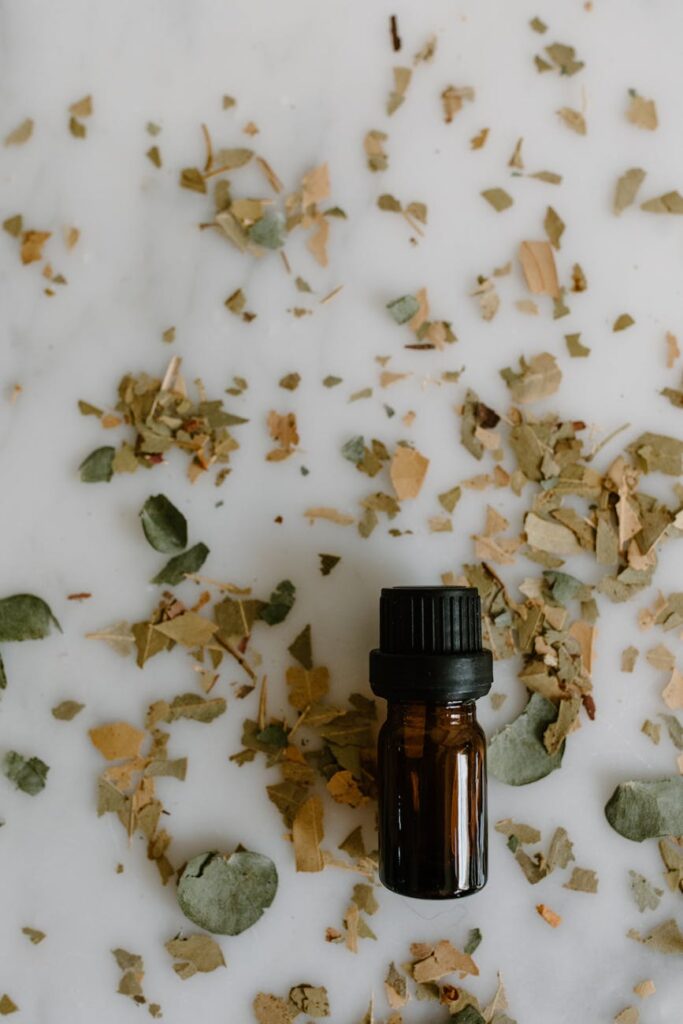
- Keep Away from Light: Essential oils should be stored in dark glass bottles to protect them from light degradation.
- Cool and Dry Environment: Store oils in a cool, dry place to prevent them from becoming rancid.
- Shelf Life: Most essential oils have a shelf life of 1-3 years, but this can vary depending on the type of oil. Citrus oils may have a shorter shelf life compared to woody or resinous oils.
Spring Awakening
As spring arrives, it often brings renewed energy and motivation. Blends for spring mood support might feature:
Summer Vitality
Summer is often associated with energy and vibrancy. Blends designed for this season may include:
Autumn Reflection
As autumn approaches, individuals may begin to feel more introspective. Blends for autumn mood support could consist of:
Safety Considerations
While aromatherapy is generally regarded as safe, it is important to observe certain precautions:
Storage and Shelf Life
Proper storage is essential for maintaining the potency and effectiveness of essential oils. Here are some tips for storage:
Frequently Asked Questions
Can I create my own aromatherapy blends?
Yes, creating your own blends can be a rewarding experience. Start by experimenting with a few essential oils that you personally enjoy and combine them in small amounts. Always remember to dilute them properly before applying topically.
How often should I use aromatherapy blends?
The frequency of use can vary based on personal preference and emotional needs. Some individuals may benefit from using a blend several times a day, while others may find once a day sufficient. Listen to your body and adjust accordingly.
Are there any essential oils I should avoid?
Certain essential oils may cause sensitivity or adverse reactions in some individuals. Common oils to use with caution include cinnamon, clove, and oregano. Always perform a patch test and consult a knowledgeable source if you have concerns.
Can aromatherapy replace traditional therapy?
While aromatherapy can be a valuable tool for emotional support, it is not a substitute for professional mental health treatment. If you are experiencing significant emotional difficulties, it is advisable to seek guidance from a qualified healthcare provider.
Conclusion
Aromatherapy blends can serve as a powerful ally in supporting emotional well-being through seasonal transitions. By understanding the properties and applications of these blends, individuals can create personalized routines that enhance their mood and foster a sense of balance. As with any holistic practice, respect for the potency of essential oils and adherence to safety guidelines will ensure a positive and enriching experience.