
Complete Guide to Aromatherapy Blends for Seasonal Mood Support
Introduction
As the seasons change, so do our moods and emotional states. Many individuals experience fluctuations in their mental well-being aligned with seasonal transitions. Aromatherapy, through the use of essential oils, offers a natural and holistic approach to support emotional health throughout the year. This guide explores aromatherapy blends specifically designed for mood support during different seasons, providing insights into their properties, applications, and safety considerations.
What Are Aromatherapy Blends for Seasonal Mood Support?
Aromatherapy blends are combinations of various essential oils formulated to evoke specific emotional responses and enhance well-being. Seasonal mood support blends are tailored to address the unique emotional challenges that often accompany seasonal changes, such as winter blues, spring allergies, summer lethargy, or autumn anxiety. By harnessing the therapeutic properties of essential oils, these blends aim to uplift, calm, or invigorate the mind and body, helping individuals navigate seasonal fluctuations more effectively.
Key Benefits and Properties
Aromatherapy blends for seasonal mood support can offer a range of benefits, depending on the essential oils used. Here are some key properties associated with common essential oils in mood support blends:
1. Lavender (Lavandula angustifolia): Known for its calming properties, lavender is often used to reduce anxiety and promote relaxation. Its floral scent can help ease tension and create a peaceful atmosphere.
2. Bergamot (Citrus bergamia): This citrus oil is celebrated for its uplifting properties. Bergamot can help alleviate feelings of sadness and promote a positive outlook, making it a popular choice for seasonal affective disorder (SAD).
3. Peppermint (Mentha piperita): Peppermint is invigorating and stimulating. It can help alleviate fatigue and increase alertness, making it effective during the sluggishness of summer.
4. Frankincense (Boswellia serrata): Known for its grounding effects, frankincense can promote feelings of tranquility and enhance spiritual awareness. It is often used in meditation practices.
5. Cinnamon (Cinnamomum verum): The warm and spicy aroma of cinnamon can evoke feelings of comfort and warmth, making it beneficial during the colder months.
6. Ylang Ylang (Cananga odorata): This floral oil is known for its mood-enhancing properties. Ylang ylang can help reduce feelings of stress and promote emotional balance.
Common Uses
Aromatherapy blends for seasonal mood support can be utilized in various ways, depending on individual preferences and needs. Common uses include:
- Diffusion: Adding a few drops of an essential oil blend to a diffuser disperses the aroma throughout a room, creating a calming or invigorating atmosphere. This method is particularly effective for larger spaces.
- Topical Application: Blending essential oils with a carrier oil (such as jojoba, coconut, or almond oil) allows for safe application on the skin. This method can enhance mood support through both inhalation and skin absorption.
- Bathing: Adding essential oils to bathwater can create a soothing and therapeutic experience. This method combines the benefits of inhalation with the relaxing properties of warm water.
- Inhalation: Simply inhaling the scent of essential oils directly from the bottle or a cotton ball can provide immediate mood support. This method is particularly useful in stressful situations.
- Sprays: Creating a room or body spray with essential oils and water can provide an instant mood boost. This method can be used to refresh a space or provide a quick pick-me-up.
- Dilution: Essential oils are potent and should be diluted with a carrier oil before topical application to avoid skin irritation.
- Allergies: Always conduct a patch test before using a new essential oil. If irritation or an allergic reaction occurs, discontinue use immediately.
- Pregnancy and Nursing: Certain essential oils may not be suitable for pregnant or nursing individuals. Consult a qualified health professional for guidance.
- Children and Pets: Some essential oils can be harmful to children and pets. Always research the safety of individual oils before use in households with young children or animals.
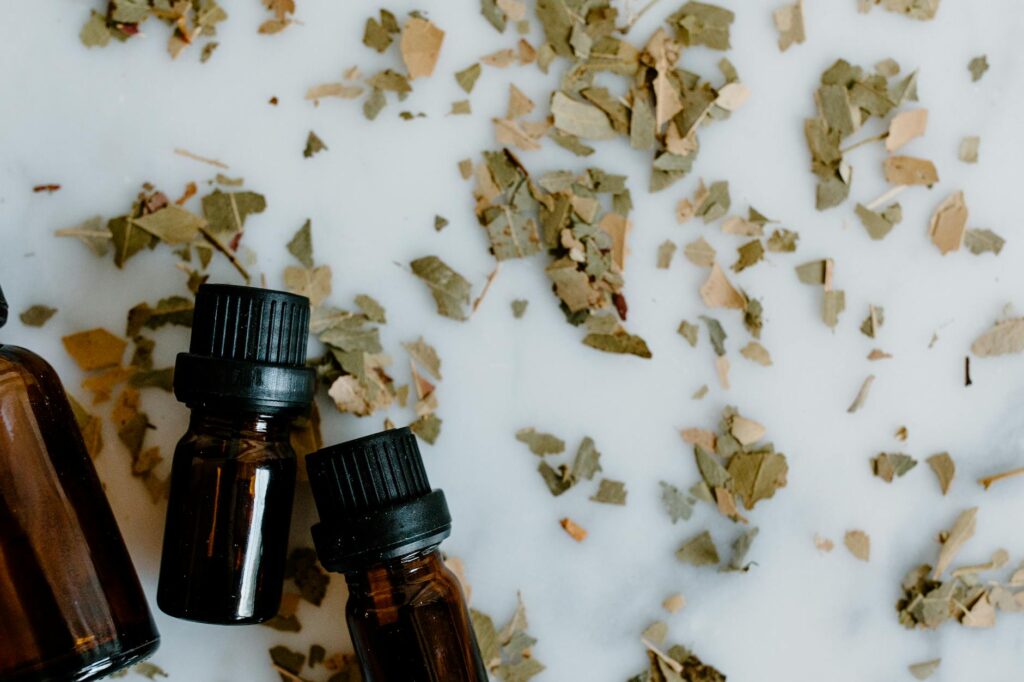
- Keep Away from Light: Essential oils should be stored in dark glass bottles to protect them from light exposure, which can degrade their quality.
- Cool and Dry Environment: Store essential oils in a cool, dry place to prevent oxidation and degradation. Avoid areas with high humidity, such as bathrooms.
- Shelf Life: Most essential oils have a shelf life of 1 to 3 years, depending on the oil type. Citrus oils may have a shorter shelf life due to their volatile nature, while oils like sandalwood and patchouli can improve with age.
Aromatherapy Applications
Seasonal Blends
1. Winter Blend: A combination of cedarwood, cinnamon, and orange can evoke warmth and comfort during the colder months. This blend is helpful for promoting feelings of safety and coziness.
2. Spring Blend: A refreshing mix of lemon, peppermint, and lavender can help energize and uplift as the days become longer and warmer. This blend can combat fatigue and promote a sense of renewal.
3. Summer Blend: A blend of eucalyptus, grapefruit, and rosemary can invigorate the senses and enhance focus. It can also help counteract feelings of lethargy during hot summer days.
4. Autumn Blend: A warm combination of clove, ginger, and ylang ylang can evoke feelings of comfort and nostalgia. This blend can help soothe anxiety and promote emotional balance as the days grow shorter.
Personalizing Your Blends
While pre-made blends are widely available, creating personalized blends tailored to individual preferences can enhance the aromatherapy experience. Consider the following steps:
1. Select Base Oils: Choose one or two base oils that resonate with your desired emotional outcome. For example, if seeking relaxation, consider lavender or chamomile.
2. Add Complementary Oils: Include one or two complementary oils that enhance the base oils’ properties. For instance, pairing bergamot with lavender can amplify relaxation and upliftment.
3. Test and Adjust: Experiment with different ratios and combinations until you achieve a blend that feels right. Essential oils can elicit varied responses, so personal preference is key.
Safety Considerations
While aromatherapy is generally safe for most individuals, certain safety considerations should be kept in mind:
Storage and Shelf Life
Proper storage and handling of essential oils are essential to maintain their potency and effectiveness. Consider the following guidelines:
Frequently Asked Questions
1. Can I combine different essential oils in a blend?
Yes, combining essential oils can enhance the therapeutic effects and create a more personalized aroma. Experiment with different ratios to find what works best for you.
2. How often should I use aromatherapy blends for mood support?
Frequency of use depends on individual preference. Many people find that using a blend several times a day, especially during seasonal transitions, can provide significant emotional support.
3. Are there any essential oils I should avoid?
Certain oils may cause skin irritation or allergic reactions. Research the oils you plan to use and consult with a professional if you have any concerns.
4. Can I use aromatherapy blends in a diffuser?
Yes, diffusing essential oils is one of the most popular methods for enjoying their benefits. Ensure you follow the manufacturer’s instructions for your diffuser and avoid overusing oils, as this can lead to overwhelming scents.
5. How can I ensure the quality of essential oils?
Choose essential oils from reputable suppliers who provide information on sourcing, purity, and testing. Look for oils that are labeled as 100% pure and free from synthetic additives.
Conclusion
Aromatherapy blends offer a natural and effective way to support mood during seasonal transitions. By understanding the properties and benefits of various essential oils, individuals can create personalized blends that resonate with their emotional needs. Whether through diffusion, topical application, or bathing, the art of aromatherapy can enhance well-being and bring comfort throughout the changing seasons.