
Complete Guide to Aromatherapy Blends for Seasonal Mood Upliftment
Introduction
As the seasons shift, many individuals experience changes in mood and emotional well-being. Seasonal affective disorder (SAD), for example, is a condition that can lead to feelings of sadness or lethargy during particular times of the year, often in the fall and winter months. Aromatherapy, the therapeutic use of essential oils, provides a natural approach to enhancing mood and fostering emotional balance. This comprehensive guide explores aromatherapy blends specifically designed for seasonal mood upliftment, detailing their benefits, applications, and safety considerations.
What Is Aromatherapy Blends for Seasonal Mood Upliftment?
Aromatherapy blends for seasonal mood upliftment refer to combinations of essential oils that are specifically chosen for their uplifting and energizing properties. These blends can evoke positive emotional responses, promote relaxation, and help to counter feelings of sadness or fatigue that may accompany seasonal changes. By employing a variety of natural aromatic compounds, these blends harness the therapeutic benefits of essential oils, which can vary widely in their effects on human emotions and mental states.
Key Benefits and Properties
1. Emotional Support: Many essential oils are known for their ability to enhance mood and alleviate feelings of anxiety or depression. Oils such as bergamot, sweet orange, and lavender can help to lift spirits and promote a sense of well-being.
2. Stress Relief: Seasonal changes often bring about increased stress levels. Essential oils like chamomile and ylang-ylang can help to relieve tension and promote relaxation.
3. Energizing Effects: Certain oils, including peppermint and eucalyptus, are invigorating and can provide a natural energy boost, helping to combat the lethargy that often accompanies gloomy weather.
4. Enhanced Focus: Oils such as rosemary and lemon can improve mental clarity and focus, making them beneficial for those who may struggle with concentration during seasonal transitions.
5. Supports Overall Wellness: Beyond mood elevation, many essential oils possess additional health benefits, including anti-inflammatory and immune-boosting properties, which can be particularly advantageous during the colder months.
Common Uses
Aromatherapy blends can be used in various ways to enhance seasonal mood upliftment, including:
- Diffusion: Adding essential oils to a diffuser allows for the gentle dispersal of their aromas throughout a space, creating a soothing and uplifting environment.
- Topical Application: Blending essential oils with carrier oils for topical application can provide a more direct means of experiencing their benefits. This method is commonly used in massage or as part of a self-care routine.
- Bathing: Incorporating essential oils into a warm bath can create a relaxing and mood-enhancing experience, promoting both physical and emotional relaxation.
- Inhalation: Simply inhaling the aroma of essential oils directly from the bottle or from a cotton ball can provide immediate mood enhancement.
- 5 drops sweet orange
- 3 drops lemon
- 2 drops bergamot
- Use in a diffuser or add to a carrier oil for topical application.
- 4 drops lavender
- 3 drops ylang-ylang
- 2 drops chamomile
- Ideal for evening use or before bedtime.
- 4 drops peppermint
- 2 drops eucalyptus
- 2 drops rosemary
- Perfect for an afternoon pick-me-up.
- 3 drops rosemary
- 3 drops lemon
- 2 drops bergamot
- Use for enhancing focus during work or study sessions.
- Dilution: Always dilute essential oils with a carrier oil before applying them to the skin to prevent irritation. A general guideline is to use one drop of essential oil per teaspoon of carrier oil.
- Patch Test: Conduct a patch test on a small area of skin to check for sensitivity or allergic reactions before applying a blend more broadly.
- Avoid Sensitive Areas: Do not apply essential oils near the eyes, mucous membranes, or broken skin.
- Pregnancy and Health Conditions: Pregnant individuals or those with specific health conditions should consult with a qualified professional before using essential oils.
- Children and Pets: Take extra precautions when using essential oils around children and pets, as some oils can be toxic to certain animals.
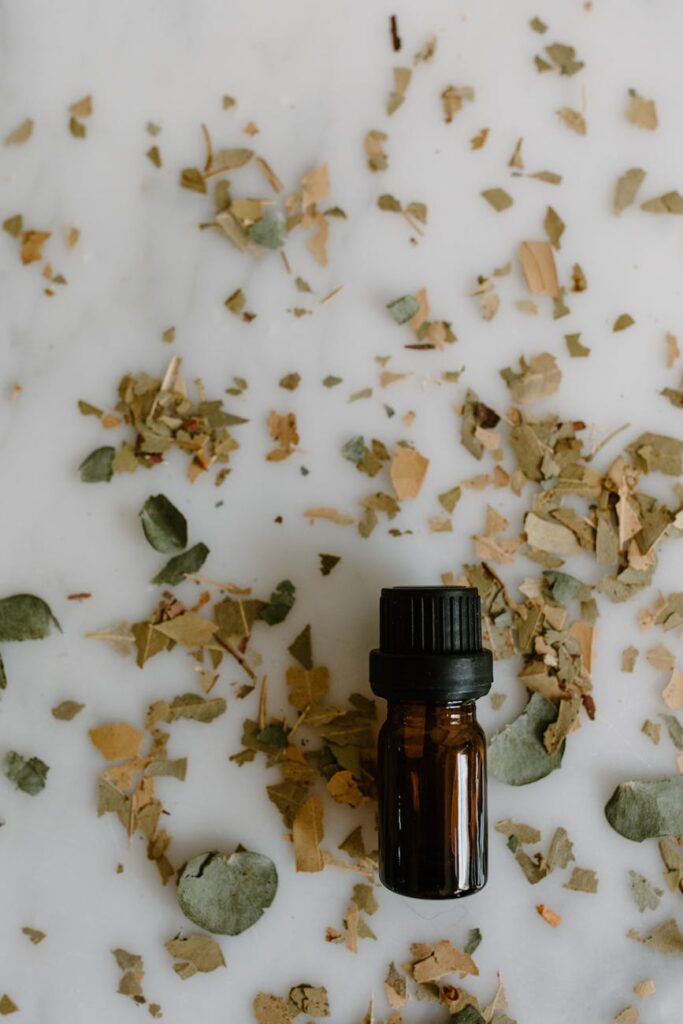
- Containers: Store essential oils in dark glass bottles to protect them from light, which can degrade the oils over time.
- Temperature: Keep oils in a cool, dry place away from direct sunlight and heat sources.
- Shelf Life: While many essential oils have a shelf life of 1-3 years, some can last longer. Citrus oils tend to have a shorter shelf life, while oils like patchouli and sandalwood may improve with age.
Aromatherapy Applications
Popular Essential Oils for Mood Upliftment
1. Bergamot: Known for its citrusy scent, bergamot is often used to alleviate feelings of anxiety and promote a sense of calm.
2. Sweet Orange: This oil is celebrated for its cheerful and uplifting aroma, which can help to brighten moods and energize spirits.
3. Lavender: Renowned for its calming properties, lavender can help reduce feelings of stress and promote relaxation, making it a versatile addition to mood-enhancing blends.
4. Peppermint: This oil provides a refreshing and energizing scent that can help to invigorate and stimulate the mind.
5. Ylang-Ylang: With its sweet floral aroma, ylang-ylang is often used to promote feelings of joy and emotional balance.
Suggested Blends for Seasonal Mood Upliftment
1. Citrus Burst Blend:
2. Relaxing Floral Blend:
3. Energizing Mint Blend:
4. Herbal Clarity Blend:
Safety Considerations
While aromatherapy can provide numerous benefits, it is essential to follow safety guidelines:
Storage and Shelf Life
Proper storage of essential oils is crucial for maintaining their potency and efficacy:
Frequently Asked Questions
1. Can I create my own aromatherapy blends?
Yes, creating your own blends can be a rewarding experience. Start with a few essential oils that resonate with you and experiment with different ratios until you find a blend that suits your needs.
2. How often can I use aromatherapy blends?
You can use aromatherapy blends as often as needed. However, it’s essential to listen to your body and avoid overuse, especially when applying blends topically.
3. Are there any essential oils I should avoid?
Certain essential oils, such as sage and wintergreen, should be used with caution, especially in large quantities. Additionally, pregnant individuals and those with specific health concerns should research and consult a professional before use.
4. How long does it take to feel the effects of aromatherapy?
The effects of aromatherapy can vary from person to person. Some individuals may feel immediate effects, while others may require regular use over time to experience the desired benefits.
5. Can aromatherapy replace traditional therapies?
Aromatherapy is not a substitute for medical treatment or therapy. It can be used as a complementary practice to enhance overall well-being.
Conclusion
Aromatherapy blends for seasonal mood upliftment offer a natural and holistic approach to enhancing emotional well-being during transitional times of the year. With a variety of essential oils available, individuals can create personalized blends tailored to their emotional needs, promoting relaxation, clarity, and joy. By understanding the key benefits, applications, and safety considerations associated with these blends, individuals can effectively incorporate aromatherapy into their self-care routines for a more balanced and uplifted mood throughout the seasons.