
Complete Guide to Aromatherapy Blends for Seasonal Transition Support
Introduction
As seasons change, so do our physical and emotional states. The transition from one season to another can often bring about feelings of unease, fatigue, or even anxiety. Aromatherapy blends designed for seasonal transition support can offer a natural and holistic approach to help ease these changes. This guide aims to provide a comprehensive overview of aromatherapy blends, their benefits, common uses, and safe applications during seasonal shifts.
What Is Aromatherapy Blends for Seasonal Transition Support?
Aromatherapy blends for seasonal transition support are combinations of essential oils formulated to assist individuals during periods of change. These blends are crafted to enhance emotional well-being, promote relaxation, and invigorate the senses, making them particularly useful as seasons shift from one to another, such as from winter to spring or summer to fall.
The essential oils used in these blends can have various properties, including uplifting, calming, or grounding effects, which can help individuals cope with the emotional and physical challenges that often accompany seasonal changes.
Key Benefits and Properties
Emotional Balance
Essential oils like lavender, bergamot, and chamomile are known for their calming effects. They can help reduce feelings of anxiety and promote emotional stability during transition periods.
Immune Support
Certain oils, such as eucalyptus and tea tree, are recognized for their potential immune-boosting properties. These can be particularly beneficial as seasons change and the body may be more susceptible to illness.
Energy and Vitality
Citrus oils like lemon, orange, and grapefruit are often used for their uplifting properties. They can help combat feelings of lethargy that sometimes accompany seasonal shifts.
Grounding
Essential oils such as cedarwood, vetiver, and patchouli are grounding in nature. They can help individuals feel more centered and stable during times of change.
Common Uses
Diffusion
One of the most popular ways to utilize aromatherapy blends is through diffusion. By adding a few drops of the blend to a diffuser, the essential oils can disperse into the air, promoting a calming or invigorating atmosphere depending on the blend used.
Topical Application
Many blends can be diluted with carrier oils and applied topically. This method allows for the therapeutic properties of the essential oils to be absorbed through the skin, offering both emotional and physical support.
Bathing
Adding aromatherapy blends to a warm bath can create a soothing experience. Essential oils can enhance relaxation and provide relief from tension, making bathing a beneficial practice during seasonal transitions.
Inhalation
Direct inhalation is another effective method. Placing a few drops of essential oil on a tissue or in the palms of your hands and inhaling deeply can provide immediate benefits.
Aromatherapy Applications
Recommended Blends for Seasonal Transitions
1. Spring Awakening Blend
- Ingredients: Lemon, Peppermint, Rosemary
- Benefits: Invigorating and refreshing; promotes clarity and energy.
- Ingredients: Lavender, Bergamot, Chamomile
- Benefits: Calming and soothing; helps reduce anxiety and stress.
- Ingredients: Cinnamon, Clove, Orange
- Benefits: Warm and comforting; encourages feelings of coziness.
- Ingredients: Eucalyptus, Tea Tree, Pine
- Benefits: Supports immune function and provides a refreshing atmosphere.
- Start Small: Begin with two or three essential oils to assess how they work together before expanding your blend.
- Consider Your Intent: Think about the specific emotional or physical benefits you wish to achieve.
- Use Quality Oils: Always opt for high-quality, pure essential oils to ensure maximum effectiveness.
- Cool, Dark Place: Store essential oils in a cool, dark place, away from heat and sunlight, to prevent degradation.
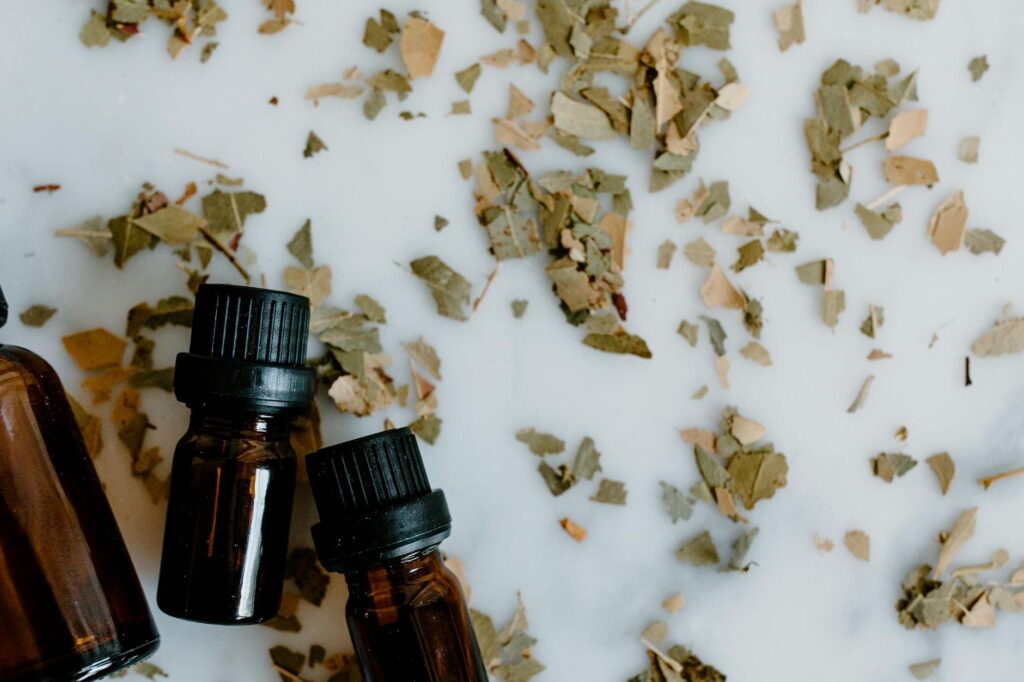
- Use Amber or Cobalt Bottles: Light-sensitive essential oils should be stored in amber or cobalt blue glass bottles to protect them from UV rays.
- Tightly Sealed: Ensure bottles are tightly sealed to avoid evaporation or contamination.
- Citrus Oils: 1-2 years
- Herbaceous Oils: 3-5 years
- Woody Oils: 5-7 years
- Resinous Oils: 5-10 years
2. Summer Serenity Blend
3. Autumn Comfort Blend
4. Winter Resilience Blend
Blending Tips
When creating your own blends, consider the following tips:
Safety Considerations
While aromatherapy can be a beneficial practice, it is essential to consider safety when using essential oils:
Skin Sensitivity
Some individuals may experience skin irritation from certain essential oils. Always conduct a patch test before applying any new blend to a larger area of skin.
Pregnancy and Nursing
Certain essential oils are contraindicated during pregnancy or breastfeeding. It is advisable to consult a qualified professional before using essential oils in these circumstances.
Children and Pets
Keep essential oils out of reach of children and pets, as some oils can be toxic to them. Always research which oils are safe for use around children and animals.
Dilution
Essential oils should generally be diluted in a carrier oil (such as coconut, jojoba, or almond oil) before topical application. A common dilution ratio is 2-3 drops of essential oil per tablespoon of carrier oil.
Storage and Shelf Life
Proper storage of essential oils is vital for maintaining their efficacy. Here are some tips:
Storage Tips
Shelf Life
While essential oils do not expire in the traditional sense, their potency can diminish over time. Here are general guidelines for shelf life:
Frequently Asked Questions
Can I create my own blends?
Yes, creating your own blends is encouraged! Experiment with different combinations to find what resonates best with you.
How often can I use aromatherapy blends?
You can use aromatherapy blends as often as needed, although it is wise to listen to your body and make adjustments based on your personal experience.
Are there any essential oils I should avoid?
Certain essential oils may be irritating or not suitable for everyone. For example, oils like cinnamon and clove can be strong irritants. Always conduct thorough research or consult a professional.
Can I use essential oils in cooking?
Some essential oils are safe for culinary use, but it is crucial to ensure they are food-grade and used sparingly. Always consult reliable sources for guidance.
How can I enhance the effects of aromatherapy blends?
Incorporating mindfulness practices such as meditation or yoga can enhance the effects of aromatherapy. Additionally, maintaining a balanced diet and healthy lifestyle will support overall well-being.
Conclusion
Aromatherapy blends for seasonal transition support offer a natural way to enhance emotional well-being during times of change. By understanding the properties, applications, and safety considerations of essential oils, individuals can create customized blends that resonate with their needs. Whether through diffusion, topical application, or bathing, these blends can serve as a valuable tool in navigating the transitions of the seasons, promoting balance and harmony in daily life.