
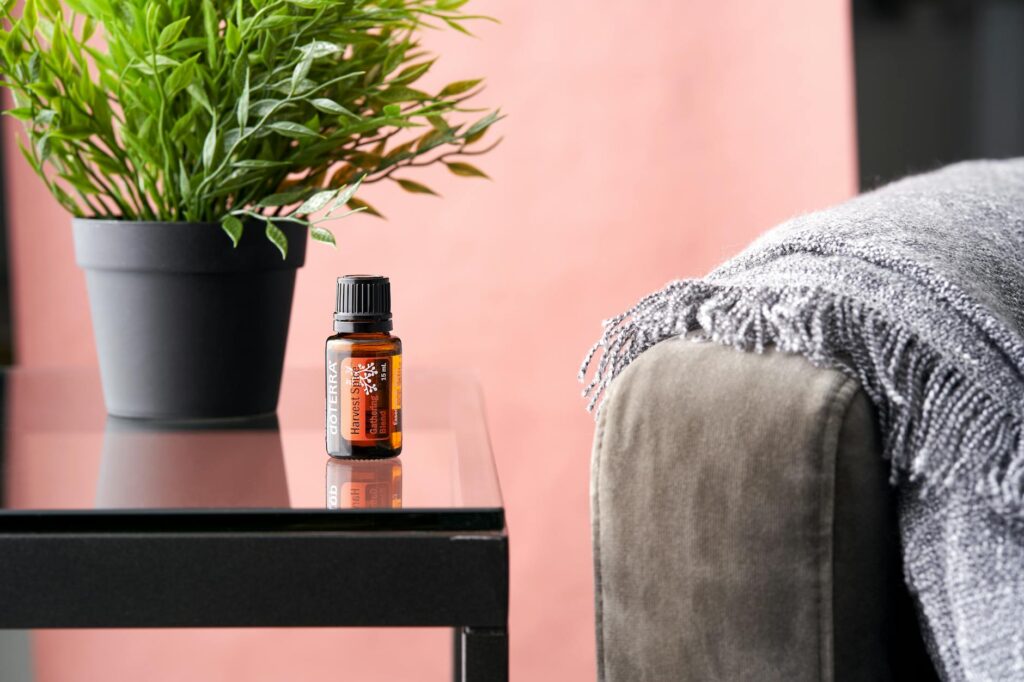
Complete Guide to Aromatherapy Blends for Seasonal Transitions Adjustments
Introduction
As the seasons shift, so too can our moods, energy levels, and overall well-being. Many individuals find themselves affected by these changes, seeking natural ways to adjust and maintain balance during these transitional periods. Aromatherapy, the practice of using essential oils for therapeutic benefits, offers a holistic approach to support emotional and physical well-being. This guide explores the concept of aromatherapy blends specifically designed to assist with seasonal transitions, including their benefits, applications, and safety considerations.
What Are Aromatherapy Blends for Seasonal Transitions Adjustments?
Aromatherapy blends for seasonal transitions involve the combination of essential oils that are specifically selected to help individuals cope with the unique challenges posed by the changing seasons. These blends can be tailored to address various emotional and physical symptoms, such as fatigue, anxiety, or respiratory discomfort, which may arise as the weather changes.
The idea behind these blends is to harness the natural properties of essential oils, which are derived from plants, flowers, and herbs, to create harmonious combinations that can enhance mood, boost energy, and promote relaxation. Seasonal transitions often involve shifts in weather, light availability, and even social activities, making it essential to adjust our environments and routines accordingly.
Key Benefits and Properties
The benefits of aromatherapy blends for seasonal transitions are multifaceted. Here are some of the key advantages:
Emotional Balance
Certain essential oils, such as lavender and bergamot, are known for their calming properties. These oils can help alleviate feelings of anxiety and stress that often accompany seasonal changes.
Enhanced Energy
As winter gives way to spring or summer, individuals may experience fluctuations in energy levels. Oils like peppermint and citrus fragrances can invigorate and uplift, helping to combat fatigue.
Respiratory Support
Seasonal changes can also trigger allergies and respiratory discomfort. Eucalyptus and tea tree oils are often included in blends designed to promote clear breathing and support the respiratory system.
Immune System Support
Certain oils, such as frankincense and oregano, are believed to have immune-boosting properties, making them beneficial during times of seasonal transition when colds and flu are more prevalent.
Mood Enhancement
Essential oils like sweet orange and jasmine may contribute to improved mood and emotional well-being, providing a necessary lift during darker or colder months.
Common Uses
Aromatherapy blends for seasonal transitions can be used in various ways, including:
Diffusion
Using an essential oil diffuser allows the aroma to permeate a room, creating a soothing atmosphere. This method is particularly effective for enhancing mood and promoting relaxation.
Topical Application
When diluted with a carrier oil, essential oils can be applied to the skin. Popular areas for application include pulse points, the back of the neck, and the soles of the feet. This method can provide both emotional and physical benefits.
Inhalation
Simply inhaling the scent of essential oils directly from the bottle or from a cotton ball can offer immediate emotional relief.
Bathing
Adding essential oils to a warm bath can create a tranquil and restorative experience. Bathing with essential oils can support relaxation and enhance overall well-being.
Household Cleaning
Essential oils can also be used in cleaning products, providing a fresh scent and natural disinfecting properties. Citrus oils, in particular, are popular for their antibacterial qualities.
Aromatherapy Applications
Spring Transition
During the spring months, people often feel renewed energy and a desire to declutter their lives physically and emotionally. Blends for spring may include uplifting oils like:
- Lemon: Known for its bright, cheerful scent, lemon can help enhance mood and clarity.
- Bergamot: This oil may help alleviate feelings of anxiety and promote emotional balance.
- Rosemary: Often associated with mental clarity, rosemary can aid concentration and focus.
- Peppermint: A refreshing oil that can cool the body and mind, promoting alertness.
- Lavender: Known for its calming effects, lavender can help ease stress and promote relaxation during hot months.
- Eucalyptus: This oil can support respiratory health and provide a cooling effect on the skin.
- Cinnamon: A warm, comforting scent that can evoke feelings of coziness.
- Clary Sage: Known for its grounding properties, clary sage can help ease feelings of anxiety.
- Orange: Uplifting and cheerful, orange oil can combat the gloominess often associated with fall.
- Frankincense: Often used for its grounding and calming properties, frankincense can enhance meditation practices.
- Ginger: Warming and invigorating, ginger can promote circulation and comfort.
- Tea Tree: This oil is known for its antiseptic properties and can support the immune system during cold and flu season.
- Dark Glass Containers: Essential oils should be stored in dark glass bottles to protect them from light, which can degrade their quality.
- Cool Environment: Oils should be kept in a cool, dry place, away from direct sunlight and heat sources.
Summer Transition
Summer is a time of warmth and vitality, but it can also bring heat and irritability. Blends for summer may feature:
Autumn Transition
As the days shorten and temperatures drop, individuals may experience a need for comfort and warmth. Blends for autumn might include:
Winter Transition
Winter can bring challenges such as increased feelings of isolation and physical discomfort. Blends for winter may contain:
Safety Considerations
When using essential oils, it is essential to keep safety in mind:
Dilution
Essential oils are highly concentrated and should be diluted with a carrier oil (such as coconut or jojoba oil) before topical application. A common dilution ratio is 2-3 drops of essential oil per teaspoon of carrier oil.
Allergies
Individuals should perform a patch test before applying any essential oil to the skin. If irritation occurs, discontinue use.
Pregnant and Nursing Individuals
Certain essential oils may not be safe for pregnant or nursing individuals. It is advisable to consult a healthcare professional before use.
Pets
Some essential oils can be toxic to pets. Care should be taken to ensure that any oils used are safe for animals, and they should be kept out of reach.
Storage and Shelf Life
Proper storage of essential oils is crucial for maintaining their potency and effectiveness. Here are some guidelines:
Storage Conditions
Shelf Life
Essential oils have varying shelf lives, typically ranging from 1-5 years, depending on the type of oil. Citrus oils tend to have a shorter shelf life, while others, like patchouli or sandalwood, can last longer. Always check for changes in scent or appearance before use.
Frequently Asked Questions
How do I choose the right blend for my needs?
Consider your emotional and physical symptoms associated with the seasonal transition you are experiencing. Research the properties of different essential oils to create a blend that aligns with your needs.
Can I mix different essential oils?
Yes, many people enjoy experimenting with different combinations of essential oils. However, it’s advisable to start with small amounts and test the blend for any adverse reactions.
Are there any essential oils I should avoid during certain seasons?
While most essential oils can be used year-round, certain oils may be more beneficial during specific seasons. For instance, uplifting citrus oils are often favored in winter to combat seasonal affective disorder, while cooling oils like peppermint are popular in summer.
How often can I use aromatherapy blends?
The frequency of use can vary based on individual preferences and reactions. Generally, aromatherapy blends can be used multiple times a day, but moderation is encouraged—especially with topical applications.
Can children use essential oils?
Certain essential oils are safe for children, but they should always be diluted properly and used with caution. Consulting a knowledgeable aromatherapist or healthcare provider is recommended before use.
Conclusion
Aromatherapy blends for seasonal transitions offer a natural and holistic way to support well-being during times of change. By understanding the properties and benefits of various essential oils, individuals can create personalized blends that address their unique needs as the seasons shift. As always, practicing safety and mindfulness when using these oils will enhance the positive effects of aromatherapy in your life.