
Complete Guide to Aromatherapy Blends for Seasonal Transitions Part 4
Introduction
As the seasons shift, so do our emotional and physical needs. Aromatherapy blends designed for seasonal transitions can help ease the discomforts that accompany these changes, such as allergies in spring, fatigue in summer, mood swings in autumn, and respiratory issues in winter. This guide will explore the essential oils and blends that support well-being during these transitional phases, providing insights into their applications, benefits, and safety considerations.
What Is Aromatherapy Blends for Seasonal Transitions?
Aromatherapy blends for seasonal transitions are combinations of essential oils tailored to the specific challenges and emotional states that arise in different seasons. These blends harness the therapeutic properties of essential oils to enhance physical and emotional well-being. For instance, certain oils may invigorate and uplift during the winter months, while others might promote relaxation and grounding in the fall.
Seasonal transitions can significantly affect mood and health, making the use of these blends particularly beneficial. Each blend typically consists of a base oil and several essential oils chosen for their synergistic effects, targeting common seasonal issues such as allergies, stress, fatigue, and changes in mood.
Key Benefits and Properties
Emotional Support
Essential oils can have profound effects on the mind and spirit. For example, citrus oils like bergamot and lemon are known for their uplifting qualities, while grounding oils such as cedarwood and frankincense can promote calm and stability during turbulent times.
Physical Relief
Many essential oils possess anti-inflammatory, antiviral, or decongestant properties. Oils such as eucalyptus and tea tree are commonly used to alleviate respiratory discomfort during the colder months, while peppermint can help soothe headaches and nausea often experienced during seasonal shifts.
Immune System Support
Certain essential oils may support the immune system, which can be particularly beneficial during seasonal transitions when colds and allergies are prevalent. Oils like oregano, thyme, and lavender are often included in blends aimed at boosting resilience.
Common Uses
Spring
- Allergy Relief: A blend of lavender, peppermint, and eucalyptus can help alleviate symptoms of seasonal allergies.
- Energizing: Citrus-based blends, such as lemon and sweet orange, can invigorate and uplift the spirit as the days grow longer.
- Cooling: A blend of peppermint and lavender can create a refreshing aroma, perfect for combating summer heat.
- Insect Repellent: Essential oils like citronella and lemongrass can deter insects when used in diffusers or as a topical blend.
- Grounding: Warm, earthy oils such as patchouli and sandalwood can promote a sense of grounding as the days shorten and temperatures drop.
- Comforting: Blends with cinnamon and clove can evoke feelings of warmth and comfort, perfect for cozy autumn evenings.
- Respiratory Support: Blends containing eucalyptus, tea tree, and rosemary can help maintain clear airways during cold and flu season.
- Mood Lifting: Oils such as bergamot and frankincense can help combat winter blues and promote emotional well-being.
- Dilution: Always dilute essential oils before applying them to the skin to prevent irritation.
- Patch Test: Conduct a patch test by applying a small amount of diluted oil to a small area of skin to check for any allergic reactions.
- Pregnancy and Nursing: Some essential oils are not recommended during pregnancy or while nursing. It is advisable to consult with a knowledgeable source before use.
- Children and Pets: Certain essential oils may be harmful to children and pets. Research and caution are advised when using oils in households with young children or animals.
- Photosensitivity: Citrus oils can cause photosensitivity, which is an increased sensitivity to sunlight. Avoid sun exposure on areas where citrus oils have been applied.
Summer
Autumn
Winter
Aromatherapy Applications
Diffusion
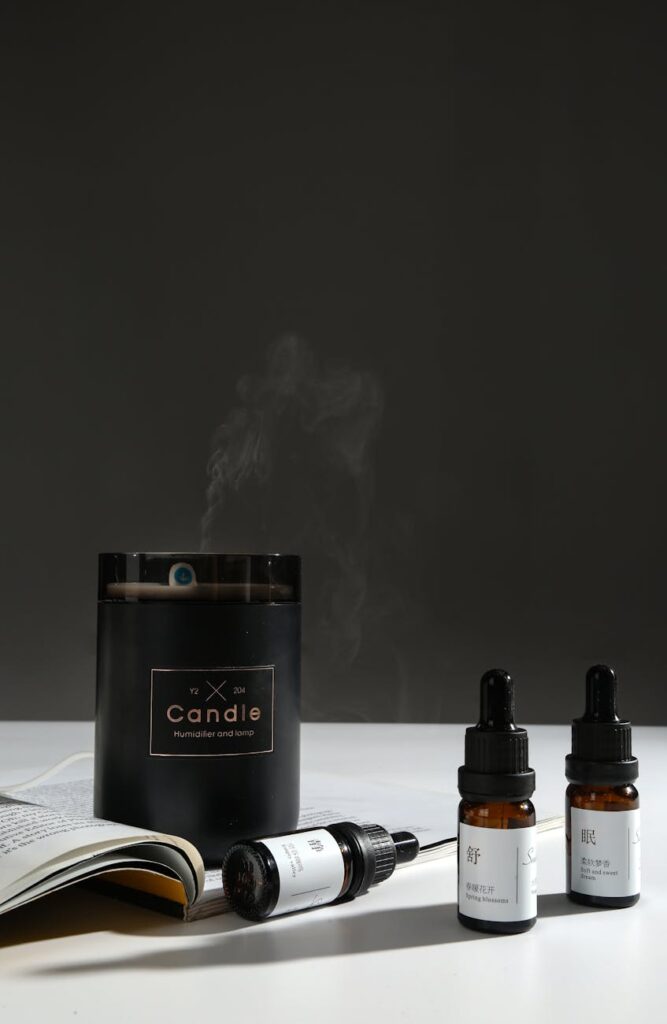
Using a diffuser is one of the most common methods to disperse essential oils in a room. Simply add a few drops of your chosen blend to the water in the diffuser and let the aroma fill the space. This method is effective for creating an uplifting atmosphere or for supporting respiratory health.
Topical Application
When applying essential oils to the skin, it is crucial to dilute them with a carrier oil, such as jojoba, coconut, or almond oil. A typical dilution ratio is 2-3 drops of essential oil per tablespoon of carrier oil. This method allows for localized relief, such as applying a blend to the chest for respiratory support or to the wrists for emotional uplift.
Bathing
Adding essential oils to a warm bath can promote relaxation. Mix a few drops of essential oil with a neutral carrier oil or Epsom salt, then add to the bathwater. This not only helps the oils disperse but also nourishes the skin.
Inhalation
A simple way to use essential oils is through direct inhalation. Place a drop or two of the essential oil on a tissue or cotton ball and inhale deeply. This method is particularly useful for quick relief from headaches or congestion.
Safety Considerations
While essential oils are generally safe when used correctly, there are several safety considerations to keep in mind:
Storage and Shelf Life
Essential oils should be stored in a cool, dark place to maintain their potency. Glass containers are preferred, as plastic can degrade over time. Most essential oils have a shelf life of 1-3 years, though some oils like sandalwood and patchouli can improve with age. Always check for signs of spoilage, such as changes in color or odor.
Frequently Asked Questions
Can I create my own aromatherapy blends?
Yes, blending your own essential oils can be a rewarding experience. Start with a few essential oils that resonate with you and experiment with different ratios until you find a blend you enjoy.
How do I know which oils to use for my specific needs?
Researching the properties of different essential oils can guide you in selecting the right oils for your needs. Additionally, personal preference plays a significant role, so trust your instincts when choosing oils.
Are essential oils safe for everyone?
While many people can safely use essential oils, some individuals may experience sensitivities or allergies. It is essential to perform patch tests and consult with a knowledgeable professional if you have concerns.
Can I use essential oils in cooking?
Some essential oils are safe for culinary use, but not all. Always verify that the essential oil is food-grade and consult reputable sources for safe usage.
How do I choose a quality essential oil?
Opt for essential oils that are labeled as 100% pure therapeutic grade. Check for third-party testing and read reviews to ensure the quality of the oil.
Conclusion
Aromatherapy blends for seasonal transitions offer a natural way to address the emotional and physical challenges that arise with changing seasons. By understanding the properties and applications of essential oils, you can create or select blends that enhance your well-being throughout the year. As always, remember to practice safety and mindfulness when using essential oils, allowing their natural aromas to support you through life’s seasonal changes.