
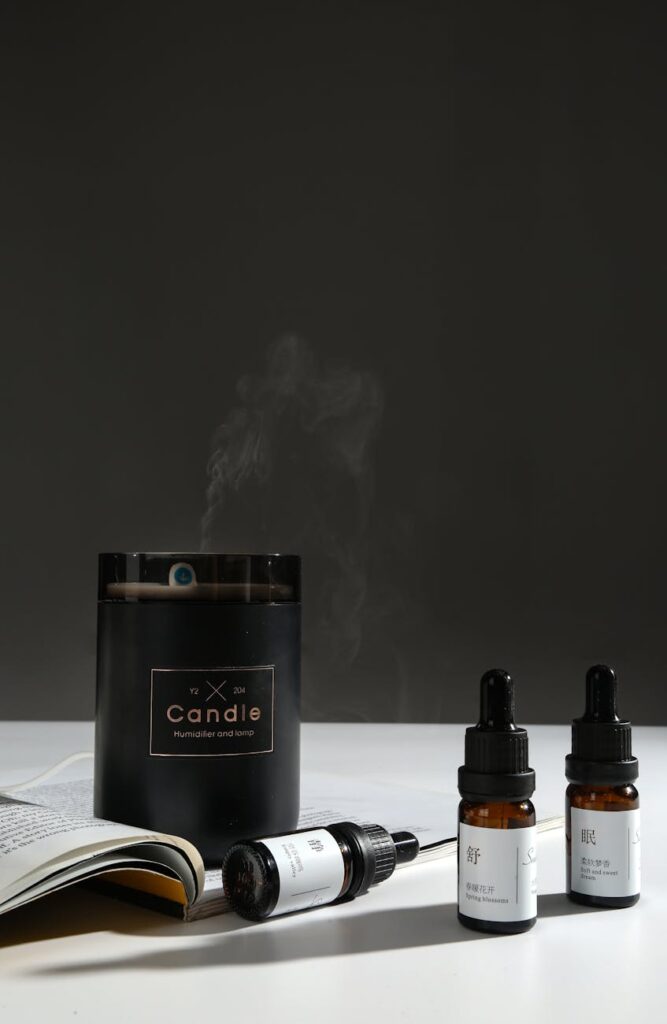
Complete Guide to Aromatherapy Blends for Seasonal Transitions Part 6
Introduction
As the seasons change, so do our emotional and physical needs. Aromatherapy blends designed for seasonal transitions can help us navigate these shifts with grace and ease. This comprehensive guide explores the principles behind these blends, their benefits, common applications, and safety considerations.
What Is Aromatherapy Blends for Seasonal Transitions?
Aromatherapy blends for seasonal transitions refer to the specific combinations of essential oils that aim to support the body and mind as the environment changes. These blends can help alleviate discomforts associated with seasonal changes, such as allergies in spring or mood fluctuations in winter. The practice of using essential oils for therapeutic purposes has deep historical roots, dating back to ancient cultures that recognized the power of nature’s scents.
Key Benefits and Properties
Emotional Support
Essential oils are renowned for their ability to influence mood and emotional well-being. For example, citrus oils like lemon and orange can uplift spirits, while grounding oils like cedarwood and frankincense can provide stability during tumultuous transitions.
Physical Comfort
Seasonal changes can bring about physical discomforts such as respiratory issues, skin irritations, or digestive problems. Blends with eucalyptus or peppermint may promote clear breathing, while chamomile can soothe digestive upset.
Immune Support
With the changing seasons often comes a shift in the immune landscape. Oils like tea tree and thyme possess antimicrobial properties, which can help maintain wellness during colder months.
Energy and Vitality
As daylight hours fluctuate, energy levels can dip or surge. Blends containing invigorating oils like rosemary and peppermint can help maintain vitality during seasonal transitions.
Common Uses
Aromatherapy blends for seasonal transitions can be employed in various ways, each serving distinct needs:
Diffusion
Using a diffuser is one of the most popular methods of dispersing essential oils into the air, creating an aromatic atmosphere that can uplift or calm the mind.
Topical Application
Diluted essential oils can be applied to the skin for localized effects. Blends can be used on pressure points, such as wrists or temples, to enhance emotional balance.
Bathing
Adding essential oils to bath water can create a luxurious experience, offering both physical and emotional benefits. Oils like lavender and ylang-ylang can promote relaxation, while citrus oils can invigorate.
Inhalation
Simply inhaling essential oils from the bottle or a cotton ball can provide immediate emotional support. This practice is particularly useful for on-the-go relief.
Aromatherapy Applications
Spring Transitions
In spring, as the world awakens, uplifting blends can help combat seasonal allergies and promote mental clarity. Essential oils like lemon, eucalyptus, and lavender can be combined to create a refreshing blend that supports vitality and respiratory wellness.
Example Blend:
- 5 drops Lemon
- 3 drops Eucalyptus
- 2 drops Lavender
- 4 drops Peppermint
- 4 drops Spearmint
- 2 drops Chamomile
- 4 drops Cedarwood
- 3 drops Clary Sage
- 3 drops Bergamot
- 3 drops Cinnamon
- 3 drops Ginger
- 4 drops Frankincense
- Store essential oils in dark glass bottles to protect them from light.
- Keep bottles in a cool, dry place, away from direct sunlight and heat sources.
Summer Transitions
Summer often brings increased activity and heat. Blends that offer cooling effects and promote hydration are beneficial. Peppermint, spearmint, and chamomile can provide soothing properties.
Example Blend:
Autumn Transitions
As temperatures drop and daylight shortens, grounding blends can help stabilize emotions. Consider using cedarwood, clary sage, and bergamot to create a comforting atmosphere.
Example Blend:
Winter Transitions
In winter, blends that focus on warmth and protection are ideal. Essential oils like cinnamon, ginger, and frankincense can create a cozy environment while offering immune support.
Example Blend:
Safety Considerations
While essential oils can provide numerous benefits, it is crucial to exercise caution and awareness when using them:
Skin Sensitivity
Always dilute essential oils with a carrier oil before applying to the skin to prevent irritation. A general guideline is to use a 1-2% dilution for topical applications, which equates to approximately 1-2 drops of essential oil per teaspoon of carrier oil.
Allergies
Some individuals may have allergies to specific essential oils. It is wise to conduct a patch test before widespread use.
Pregnancy and Medical Conditions
Individuals who are pregnant, nursing, or have specific medical conditions should consult with a qualified professional before using essential oils.
Children and Pets
Certain essential oils can be harmful to children and pets. Always research the safety of oils before using them in households with young children or animals.
Storage and Shelf Life
Proper storage is essential to maintain the potency and quality of essential oils. Here are some guidelines:
Storage
Shelf Life
Most essential oils have a shelf life of 1-3 years, depending on the oil type. Citrus oils tend to have a shorter shelf life compared to woods and resins. Always check for changes in scent, color, or viscosity before use.
Frequently Asked Questions
How do I choose the right blend for seasonal transitions?
Consider your personal emotional and physical needs during seasonal changes. You may want to focus on uplifting blends for spring or grounding blends for autumn, depending on how the change affects you.
Can I create my own blends?
Absolutely! Experimenting with different essential oils can lead to unique blends tailored to your preferences. Start with small quantities and keep track of your combinations.
How often can I use aromatherapy blends?
You can use aromatherapy blends daily, but pay attention to how your body responds. If you notice any adverse reactions, discontinue use and consult a professional.
Are there any contraindications for essential oils?
Yes, certain essential oils may interact with medications or exacerbate specific health conditions. Always research or consult a knowledgeable source if you are uncertain.
—
By understanding the principles and applications of aromatherapy blends for seasonal transitions, individuals can harness the power of essential oils to create a more harmonious experience during times of change. Whether you seek emotional balance, physical comfort, or a boost in energy, these blends offer a natural approach to navigating the seasons.