
Complete Guide to Aromatherapy Blends for Seasonal Transitions Support
Introduction
As the seasons shift, many individuals experience changes in their mood, energy levels, and overall well-being. Aromatherapy, a holistic practice that employs essential oils for therapeutic purposes, offers a natural way to support these transitions. This guide explores the art of creating and using aromatherapy blends tailored specifically for seasonal changes, providing insight into their benefits, common applications, and safety considerations.
What Are Aromatherapy Blends for Seasonal Transitions Support?
Aromatherapy blends for seasonal transitions support involve the combination of various essential oils to help ease the physical and emotional effects of changing seasons. These blends can be customized to address specific needs such as mood enhancement, energy stimulation, or relaxation. For instance, spring may herald a time of renewal and energy, while autumn might evoke a sense of reflection and preparation for the winter months.
Essential oils are extracted from plants, capturing their essence, fragrance, and therapeutic properties. When blended thoughtfully, these oils can create a synergistic effect, enhancing their overall benefits.
Key Benefits and Properties
The benefits of aromatherapy blends for seasonal transitions are multifaceted, with essential oils offering various properties that can support emotional and physical well-being:
- Mood Enhancement: Certain oils can uplift the spirit and reduce feelings of anxiety or depression, making them ideal for transitional seasons where emotional fluctuations are common.
- Energy Boosting: Oils like peppermint and citrus can invigorate the senses, making them beneficial in seasons where lethargy may set in.
- Relaxation and Stress Relief: Blends containing lavender or chamomile can promote calmness and relaxation, especially during the often chaotic seasonal transitions.
- Respiratory Support: Some oils, such as eucalyptus and tea tree, may help maintain respiratory health, which can be particularly important in spring and fall when allergens are prevalent.
- Diffusion: Adding a few drops of a blend to a diffuser can disperse the aroma throughout a room, creating an uplifting or calming atmosphere.
- Topical Application: Diluted blends can be applied to the skin for localized benefits. Common application areas include wrists, neck, and behind the ears.
- Inhalation: Directly inhaling the scent from a bottle or a cotton ball can provide immediate effects, especially during stressful moments.
- Bathing: Adding essential oil blends to a warm bath can enhance relaxation and create a spa-like experience at home.
- Massage: Incorporating blends into massage oil can provide both physical relaxation and aromatic benefits.
- Citrus and Mint: Combine oils like sweet orange, lemon, and peppermint for an invigorating blend that promotes energy and positivity.
- Floral and Herbal: Lavender, rosemary, and geranium can create a refreshing and calming atmosphere, perfect for springtime renewal.
- Citrus and Floral: A blend of bergamot, grapefruit, and ylang-ylang can uplift the spirit and enhance feelings of joy.
- Cooling Herbs: Oils such as peppermint or eucalyptus can provide a refreshing sensation during the warmer months.
- Woodsy and Spicy: Combine cedarwood, frankincense, and cinnamon for a grounding and comforting blend that evokes warmth and introspection.
- Floral and Citrus: A blend of chamomile and orange can provide a soothing yet uplifting experience during the transitional phase.
- Warm and Spicy: Cinnamon, clove, and ginger can create a cozy atmosphere, promoting feelings of warmth and comfort.
- Herbal and Earthy: Blends featuring vetiver, sandalwood, and lavender can support deep relaxation and restful sleep during the cold months.
- Dilution: Essential oils are potent and should be diluted with a carrier oil (such as jojoba, almond, or coconut oil) before applying them to the skin to prevent irritation.
- Patch Testing: Conduct a patch test on a small area of skin to check for allergic reactions before using new oils or blends extensively.
- Pregnancy and Breastfeeding: Certain essential oils may not be safe for pregnant or breastfeeding women. It is advisable to research or consult with a qualified professional before use.
- Children and Pets: Some oils can be toxic to children and pets; thus, it’s essential to use caution and research the safety of specific oils around them.
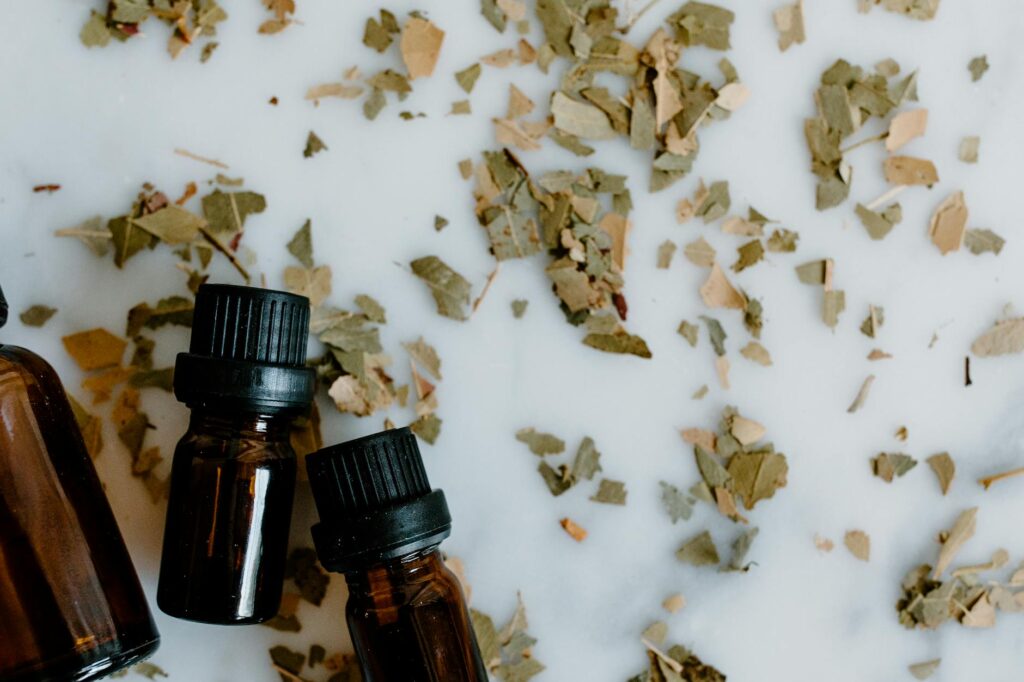
- Dark Glass Bottles: Store essential oils in dark glass containers to protect them from light, which can degrade their quality.
- Cool, Dry Place: Keep oils away from heat sources and humidity, such as kitchens and bathrooms, to prolong their shelf life.
- Expiration: While essential oils do not technically expire, they can lose potency over time. Generally, citrus oils have a shorter shelf life (1-2 years), while oils like sandalwood and patchouli can last longer (up to 10 years).
Common Uses
Aromatherapy blends can be utilized in various ways to support individuals during seasonal transitions:
Aromatherapy Applications
Spring: Awakening and Renewal
Blends to Consider:
Summer: Vitality and Joy
Blends to Consider:
Autumn: Reflection and Comfort
Blends to Consider:
Winter: Rest and Restoration
Blends to Consider:
Safety Considerations
While aromatherapy is generally considered safe, several precautions should be observed:
Storage and Shelf Life
Proper storage of essential oils and blends is crucial for maintaining their potency and effectiveness:
Frequently Asked Questions
1. How do I create my own aromatherapy blend for seasonal support?
To create your blend, select 2-3 essential oils that resonate with the seasonal transition you are experiencing. Use a base of 1-2 ounces of carrier oil or a few drops in a diffuser, adjusting the ratio to suit your preferences. Remember to document your blend for future use.
2. Can aromatherapy replace conventional medicine?
Aromatherapy should not be viewed as a replacement for conventional medicine. It can be a complementary practice to enhance well-being, but it is essential to consult with healthcare professionals for medical concerns.
3. How often can I use aromatherapy blends?
The frequency of use depends on the individual and the specific oils used. Generally, using a blend 1-3 times daily is acceptable, but it is wise to consult guidelines for specific oils and their recommended applications.
4. Are there any essential oils to avoid during pregnancy?
Yes, certain essential oils such as rosemary, sage, and clary sage should be avoided during pregnancy. Always consult with a healthcare professional for guidance on safe oils during this time.
5. How can I incorporate aromatherapy into my daily routine?
You can incorporate aromatherapy into your daily routine through various means, such as diffusing oils in your workspace, applying diluted blends after a shower, or creating a calming bedtime ritual with soothing scents.
Conclusion
Aromatherapy blends for seasonal transitions support offer a natural, holistic approach to navigating the changes that each season brings. By understanding the properties and benefits of essential oils, individuals can create personalized blends that enhance their emotional and physical well-being. With mindful application and consideration of safety, aromatherapy can be a valuable tool in promoting balance and harmony throughout the year.