
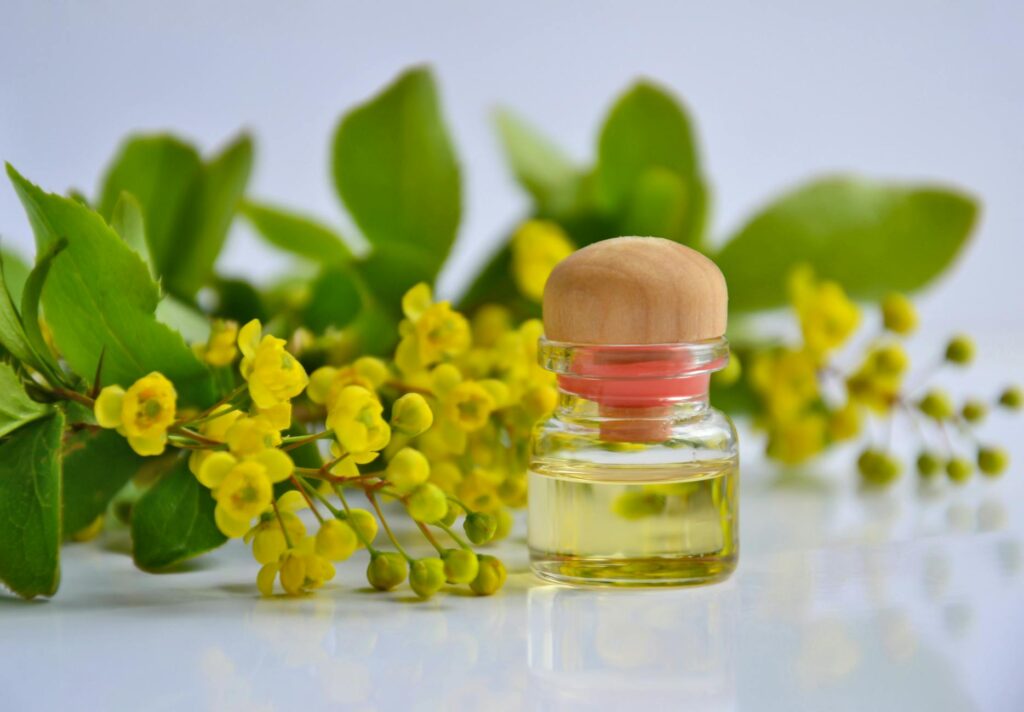
Complete Guide to Aromatherapy Blends for Seasonal Transitions
Introduction
As the seasons change, our bodies and minds often respond to the shifts in weather, light, and temperature. Aromatherapy, the practice of utilizing essential oils for therapeutic benefits, offers a natural way to support our well-being during these transitions. By creating specific blends tailored to each season, individuals can harness the power of nature to promote emotional balance, physical comfort, and overall wellness. This guide delves into the world of aromatherapy blends designed for seasonal transitions, exploring their benefits, common uses, applications, and essential safety considerations.
What Is Aromatherapy Blends for Seasonal Transitions?
Aromatherapy blends for seasonal transitions are combinations of essential oils specifically formulated to address the unique challenges and benefits associated with each season. These blends can help alleviate discomfort, enhance mood, and foster a sense of harmony within the body and mind as the environment changes. For instance, as winter turns to spring, one might seek uplifting and invigorating scents to combat the lingering effects of winter’s gloom, while the transition into fall might call for grounding and comforting aromas.
Key Benefits and Properties
Aromatherapy blends for seasonal transitions can offer a myriad of benefits, including:
1. Emotional Support: Essential oils such as lavender and bergamot can help alleviate seasonal mood swings, combating anxiety and irritability that may arise due to weather changes.
2. Physical Comfort: Oils like eucalyptus and peppermint may provide relief from congestion or headaches that can occur during specific seasonal shifts.
3. Immune Support: Certain essential oils, such as tea tree and lemon, possess properties that can help bolster the immune system during times when colds and flu are prevalent.
4. Energy and Vitality: Citrus oils like orange and grapefruit can invigorate the senses and boost energy levels, making them ideal for springtime revitalization.
5. Grounding and Centering: Blends containing cedarwood and frankincense can promote a sense of stability and grounding, particularly useful in the transition to fall.
Common Uses
While the applications for aromatherapy blends can vary widely, some common uses include:
- Diffusion: Using a diffuser to disperse the blend into the air allows for an aromatic experience that can uplift mood or promote relaxation.
- Topical Application: Blending essential oils with a carrier oil for massage or localized application can help target specific areas of discomfort.
- Baths: Adding essential oil blends to bathwater can create a soothing and aromatic experience that enhances relaxation.
- Inhalation: Direct inhalation from a bottle or from a cotton ball can provide immediate emotional and physical support.
- Household Products: Incorporating essential oils into cleaning products can impart a pleasant fragrance while also providing antimicrobial properties.
- Blend Ingredients: Lemon, eucalyptus, peppermint, and rosemary.
- Application: Use in a diffuser to clear away winter stagnation, or apply to pulse points for an energizing effect.
- Blend Ingredients: Lavender, chamomile, and geranium.
- Application: Add to a carrier oil for a refreshing massage after sun exposure or diffuse to create a calming atmosphere.
- Blend Ingredients: Clary sage, frankincense, and cedarwood.
- Application: Use in a bath for grounding and centering, or diffuse to enhance feelings of comfort and warmth.
- Blend Ingredients: Orange, clove, and cinnamon.
- Application: Diffuse to create a cozy atmosphere, or mix with a carrier oil for a warming massage.
Aromatherapy Applications
When creating or using aromatherapy blends for seasonal transitions, consider the following applications:
Spring
Summer
Autumn
Winter
Safety Considerations
While aromatherapy can be a beneficial practice, it is essential to observe safety considerations:
1. Dilution: Essential oils should be diluted in a carrier oil before topical application to minimize the risk of skin irritation.
2. Allergies and Sensitivities: Conduct a patch test prior to using a new essential oil blend to ensure no allergic reactions occur.
3. Quality of Oils: Use high-quality, pure essential oils from reputable suppliers to avoid synthetic additives that may diminish therapeutic benefits.
4. Pregnancy and Nursing: Certain essential oils are contraindicated during pregnancy and nursing. Always consult with a knowledgeable professional.
5. Children and Pets: Be cautious when using essential oils around children and pets, as some oils can be harmful to them.
6. Health Conditions: Individuals with specific health concerns should consult with a healthcare professional before using essential oils.
Storage and Shelf Life
Proper storage of essential oils and blends is crucial to maintaining their efficacy. Follow these guidelines:
1. Dark Glass Bottles: Store oils in dark glass containers to protect them from light exposure, which can cause degradation.
2. Cool Environment: Keep oils in a cool, dry place, away from direct sunlight and heat sources.
3. Shelf Life: While many essential oils can last for several years, citrus oils typically have a shorter shelf life and may begin to degrade after one to two years. Always check for changes in scent, color, or consistency.
Frequently Asked Questions
How do I choose the right blend for a seasonal transition?
Selecting the appropriate blend involves considering your personal needs and preferences, as well as the specific emotional or physical challenges associated with the season. Experimenting with different oils can help you discover which combinations resonate best with you.
Can I create my own blends?
Absolutely! Creating your own blends can be a rewarding experience. Start by selecting a few essential oils that you enjoy and research their properties. Begin with small quantities and adjust the ratios until you find a blend that suits your needs.
Are there any essential oils that should be avoided during certain seasons?
While most essential oils can be used year-round, some oils may be less desirable during specific seasons. For example, citrus oils can be uplifting in spring and summer but may not provide the grounding effect desired in autumn.
How often should I use aromatherapy blends?
The frequency of use can vary based on personal preference and specific needs. Many individuals find daily use beneficial, while others may use them only during transitional seasons or when needed.
Can aromatherapy replace conventional medicine?
Aromatherapy is not intended to replace conventional medicine but can be used as a complementary practice to support overall well-being. Always consult with a healthcare provider regarding medical concerns.
Conclusion
Aromatherapy blends for seasonal transitions offer a natural and holistic approach to navigating the changes that each season brings. By understanding the properties and benefits of various essential oils, individuals can create personalized blends that enhance emotional and physical well-being. As you explore the world of aromatherapy, remember to prioritize safety and quality, ensuring that your aromatic journey is as enriching as it is enjoyable.