
Complete Guide to Aromatherapy Blends for Seasonal Wellness Part 1
Introduction
Aromatherapy, the practice of using essential oils to enhance physical and emotional well-being, has gained significant popularity in recent years. With the changing seasons, many individuals seek natural ways to support their health and elevate their mood. This guide explores aromatherapy blends specifically designed for seasonal wellness, highlighting their benefits, uses, and safe application methods.
What Is Aromatherapy Blends for Seasonal Wellness?
Aromatherapy blends for seasonal wellness are combinations of essential oils tailored to address the unique challenges and experiences associated with different times of the year. Each season presents its own set of environmental, emotional, and physical factors that can affect well-being. By using specific essential oils, individuals can create blends that may help promote balance, comfort, and relief during seasonal transitions.
Seasonal Variations
- Spring: Often associated with renewal and growth, spring blends may focus on energizing and uplifting oils to combat fatigue and allergies.
- Summer: With warmer weather, summer blends often emphasize cooling and soothing properties, helping to alleviate heat-related discomfort.
- Autumn: As the leaves change and days grow shorter, autumn blends may center on grounding and calming oils to support emotional stability.
- Winter: In colder months, winter blends typically aim to provide warmth and comfort, often incorporating oils that promote respiratory health and emotional resilience.
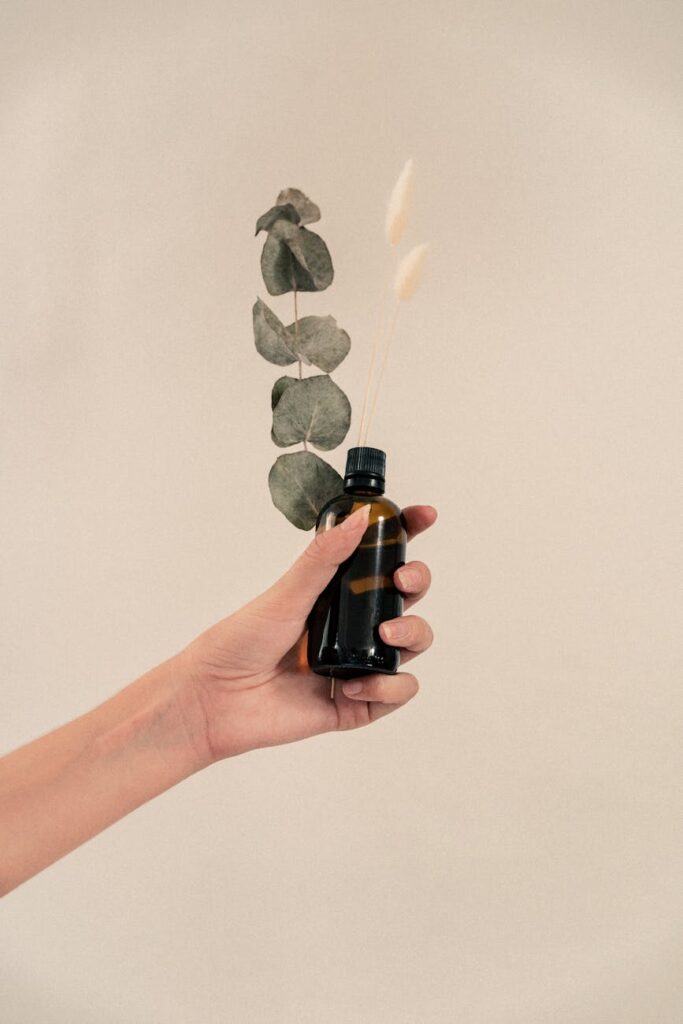
- Containers: Essential oils should be stored in dark glass bottles to protect them from light, which can degrade their quality.
- Temperature: Keep oils in a cool, dry place away from direct sunlight and heat sources.
- Tight Sealing: Ensure that bottles are tightly sealed to prevent oxidation.
Key Benefits and Properties
Aromatherapy blends for seasonal wellness offer a variety of benefits, depending on the essential oils included. Here are some key properties:
Emotional Support
Many essential oils possess mood-enhancing properties. For instance, citrus oils like lemon and orange are uplifting, while floral oils such as lavender can promote relaxation and calmness.
Respiratory Support
Certain oils, like eucalyptus and peppermint, are often used to support respiratory health, particularly during the colder months when colds and flu are more prevalent.
Immune Support
Essential oils such as tea tree and oregano are believed to possess antimicrobial properties, which may help support the immune system.
Skin Care
Seasonal changes can impact skin health. Oils like geranium and frankincense can be beneficial for skin care, addressing dryness or irritation that may arise during specific seasons.
Common Uses
The applications for aromatherapy blends are vast, allowing individuals to tailor their experience according to their needs. Here are some common uses:
Diffusion
One of the simplest ways to enjoy essential oils is through diffusion. By adding a few drops of a seasonal blend to a diffuser, individuals can enjoy the aromatic benefits throughout a room.
Topical Application
Many people use diluted essential oil blends on the skin for localized benefits. Common areas for application include pulse points, the chest, and the back of the neck.
Bathing
Adding essential oils to a warm bath can create a soothing and relaxing experience. Bath blends often include oils that are calming and hydrating.
Inhalation
Inhaling essential oils directly from the bottle or a cloth can provide quick emotional support, especially in moments of stress or fatigue.
Aromatherapy Applications
When using aromatherapy blends for seasonal wellness, there are various methods of application to consider:
Diffusion
Using an essential oil diffuser allows for the distribution of aromatic molecules throughout the air. This method is excellent for creating a specific atmosphere or mood.
Massage
Diluting essential oils in a carrier oil and using them for massage can enhance relaxation and relieve muscle tension. This method is especially beneficial during seasonal transitions when stress levels may rise.
Inhalation
Inhaling is a straightforward way to experience the benefits of essential oils. This can be done by placing a few drops on a tissue or using a personal inhaler.
Bath Soaks
Adding essential oils to bath water can transform an ordinary bathing experience into a therapeutic ritual. It is advisable to mix oils with a carrier, such as Epsom salt, to ensure even distribution in water.
Skin Care
Seasonal changes in skin conditions can be addressed with essential oil blends. Incorporating oils into lotions or creams can enhance hydration and soothe irritation.
Safety Considerations
While aromatherapy can be beneficial, safety should always be a priority. Here are some essential safety considerations:
Dilution
Essential oils are highly concentrated and should be diluted before topical application. A common dilution ratio is 2% for adult use, meaning 12 drops of essential oil per ounce of carrier oil.
Skin Sensitivity
Conducting a patch test is advisable before using any new essential oil blend on the skin. Apply a small amount to an inconspicuous area and observe for any adverse reactions over 24 hours.
Pregnancy and Nursing
Pregnant and nursing individuals should exercise caution and consult with professionals knowledgeable about essential oils, as some oils may not be safe during these periods.
Children and Pets
Certain essential oils are not suitable for children or pets. Always research specific oils for safety before use in households with children or animals.
Quality of Oils
Investing in high-quality, pure essential oils from reputable sources is essential for safety and efficacy. Look for oils that are labeled as 100% pure and free from additives or synthetic ingredients.
Storage and Shelf Life
Proper storage of essential oils is crucial for maintaining their quality and effectiveness. Here are some guidelines:
Storage Conditions
Shelf Life
Most essential oils have a shelf life of 1 to 3 years, but this can vary based on the type of oil and storage conditions. Citrus oils tend to have a shorter shelf life, while oils like sandalwood and patchouli may last longer.
Frequently Asked Questions
Q: Can I create my own aromatherapy blends?
A: Yes, creating your own blends can be a rewarding experience. Start by researching essential oils and their properties, then experiment with different combinations to find what works best for you.
Q: How do I know which oils to use for a specific season?
A: Each season has unique characteristics. For example, during winter, consider using oils that promote warmth and comfort, such as cinnamon or clove. Researching seasonal aromatherapy can provide guidance on suitable oils.
Q: Are there any essential oils I should avoid?
A: Yes, some essential oils are known to be irritants or sensitizers. It is essential to research specific oils for contraindications and consult with professionals if unsure.
Q: Can I use essential oils in cooking?
A: Some essential oils are safe for culinary use, but not all are suitable for ingestion. Always ensure that the oils are of food-grade quality and consult reliable resources for guidance.
Q: How can I incorporate aromatherapy into my daily routine?
A: Integrating aromatherapy into your daily life can be simple. Use a diffuser at home, apply diluted oils to pulse points, or add oils to your bath for a relaxing experience.
—
This guide serves as an introduction to the world of aromatherapy blends for seasonal wellness. By understanding the benefits, applications, and safety considerations, individuals can explore the enriching experience of aromatherapy tailored to the changing seasons. In the following parts of this series, we will delve deeper into specific seasonal blends and their unique properties.