
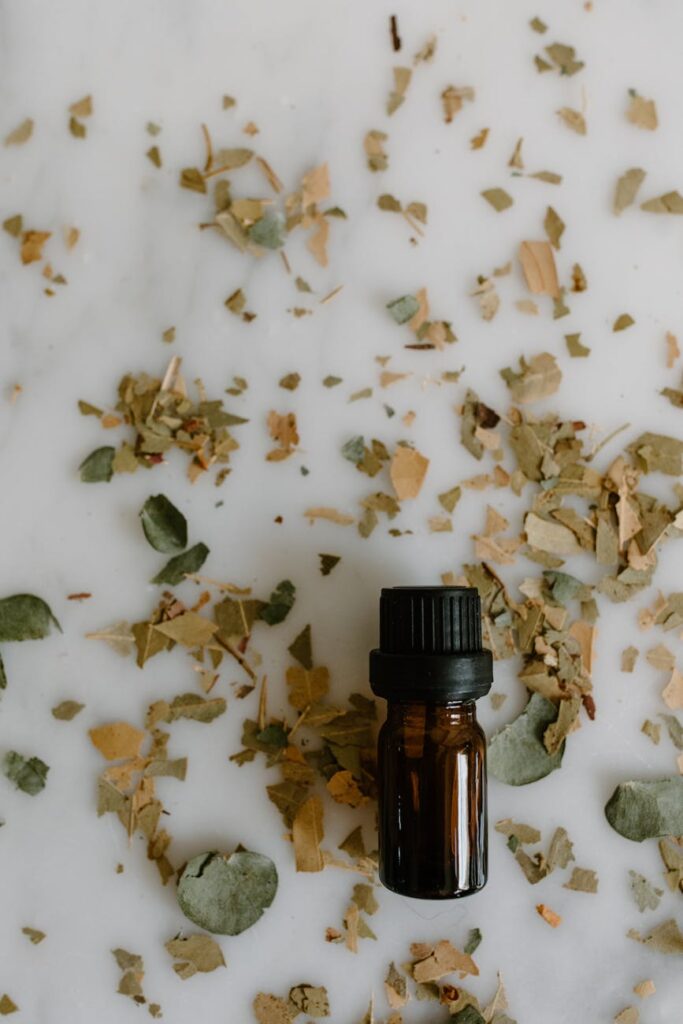
Complete Guide to Aromatherapy Blends for Seasonal Wellness Part 4
Introduction
As seasons change, so too do our physical and emotional needs. Aromatherapy, the practice of using essential oils for therapeutic purposes, offers a natural means to support wellness throughout these transitions. This guide delves into the intricacies of aromatherapy blends designed specifically for seasonal wellness, exploring their benefits, applications, and safety considerations.
What Is Aromatherapy Blends for Seasonal Wellness?
Aromatherapy blends for seasonal wellness are carefully formulated mixtures of essential oils that aim to address the unique challenges and opportunities presented by each season. These blends can help enhance mood, boost immunity, and promote overall well-being. By harnessing the natural properties of essential oils, individuals can create a harmonious environment that aligns with the seasonal shifts experienced in nature.
Key Benefits and Properties
Aromatherapy blends for seasonal wellness can offer a variety of benefits, including:
1. Emotional Balance: Certain essential oils can help stabilize mood and alleviate seasonal affective disorder (SAD), which often occurs during winter months due to decreased sunlight exposure.
2. Immune Support: Seasonal changes can lead to fluctuations in immune function. Essential oils such as eucalyptus and tea tree possess antimicrobial properties that may help fortify the body’s defenses.
3. Respiratory Relief: During colder months, respiratory issues often arise. Oils like peppermint and lavender can provide soothing relief and promote easier breathing.
4. Stress Reduction: Seasonal transitions can be stressful. Oils such as chamomile and bergamot are known for their calming properties, helping to reduce anxiety and promote relaxation.
5. Energy Boost: In spring and summer, when energy levels typically rise, citrus oils like lemon and grapefruit can invigorate the spirit and enhance motivation.
6. Skin Care: Different seasons can bring about unique skin concerns. Essential oils like tea tree and geranium can support skin health during warmer months, while oils such as frankincense and myrrh can nourish and protect the skin in winter.
Common Uses
Aromatherapy blends can be utilized in various ways depending on individual needs and preferences. Some common uses include:
- Diffusion: Using an essential oil diffuser, individuals can disperse the aroma of the blend throughout a room, creating a calming or invigorating atmosphere.
- Topical Application: Blending essential oils with a carrier oil allows for safe application to the skin. This method is particularly effective for targeting specific areas of concern.
- Baths: Adding essential oils to bath water can create a spa-like experience, enhancing relaxation and promoting overall well-being.
- Inhalation: Direct inhalation of essential oils from the bottle or through a tissue can provide immediate emotional or physical relief.
- Household Cleaning: Some essential oils possess antibacterial properties, making them suitable for natural cleaning solutions. Blends can be created for effective and aromatic household cleaning.
- Ingredients: 3 drops of eucalyptus, 3 drops of tea tree, 2 drops of sweet orange, and 1 drop of frankincense.
- Application: Diffuse in a room or dilute in a carrier oil for topical application on the chest to promote respiratory ease.
- Ingredients: 4 drops of lemon, 3 drops of peppermint, and 2 drops of rosemary.
- Application: Use in a diffuser for an uplifting environment or mix with a carrier oil for an energizing massage.
- Ingredients: 4 drops of lavender, 3 drops of peppermint, and 2 drops of grapefruit.
- Application: Create a cooling body spray by mixing with water in a spray bottle and applying to pulse points.
- Ingredients: 3 drops of cedarwood, 3 drops of bergamot, and 2 drops of clary sage.
- Application: Diffuse in the evening to create a cozy atmosphere or blend with a carrier oil for a comforting massage.
- Dilution: Always dilute essential oils with a carrier oil before topical application to prevent skin irritation. A common dilution ratio is 1-2 drops of essential oil per teaspoon of carrier oil.
- Patch Testing: Before using a new blend, conduct a patch test by applying a small amount to an inconspicuous area of skin to check for sensitivity.
- Pregnancy and Nursing: Certain essential oils may not be safe during pregnancy or nursing. It is advisable to consult a qualified professional before use.
- Children and Pets: Some essential oils are not safe for children or pets. Research specific oils or consult resources to ensure safety.
- Storage: Store essential oils in a cool, dark place to maintain their efficacy and prevent degradation.
Aromatherapy Applications
Winter Wellness Blends
During winter, the focus is often on immune support and emotional balance. Consider the following blend:
Spring Awakening Blends
As nature begins to bloom, energy levels typically rise. A revitalizing blend can be beneficial:
Summer Refreshing Blends
The heat of summer often calls for cooling and refreshing aromas. Consider this blend:
Autumn Comfort Blends
As the weather turns cooler, grounding and comforting scents can provide emotional support:
Safety Considerations
When utilizing essential oils, it is essential to adhere to safety guidelines to prevent adverse reactions:
Storage and Shelf Life
Proper storage of essential oils is critical for longevity and effectiveness. Here are some guidelines:
1. Containers: Use dark glass containers to protect oils from light, which can degrade their quality. Avoid plastic, as some oils can break down plastic over time.
2. Temperature: Store oils in a cool environment away from heat sources, as high temperatures can alter their chemical structure.
3. Shelf Life: Most essential oils have a shelf life of 1 to 3 years, but some oils, like citrus oils, may degrade more quickly. Check for changes in aroma or consistency, which may indicate spoilage.
Frequently Asked Questions
Can I create my own blends?
Absolutely! Experimenting with different essential oils can yield personalized blends that suit your specific needs. Start with a few drops of each oil and adjust based on your preference.
How do I know which essential oils to use for my season?
Consider your emotional and physical needs during each season. Research properties of various oils and select those that align with your goals.
Are there any essential oils that should be avoided?
While many essential oils are generally safe, some can cause irritation or adverse reactions. Avoid oils that are known to be irritating or contraindicated for specific health conditions.
Can I use essential oils in cooking?
While some essential oils are food-grade and can be used in cooking, not all are safe for ingestion. Always check the labeling and consult a reputable source before using oils in food.
How often can I use aromatherapy blends?
Frequency of use can depend on the individual and the specific oils in the blend. Generally, using a blend several times a day is acceptable, but it is wise to monitor for any adverse reactions.
Are essential oils safe for everyone?
While many people can safely use essential oils, some individuals may experience sensitivities or allergies. It is advisable to conduct thorough research and consult professionals if necessary.
Conclusion
Aromatherapy blends for seasonal wellness provide a holistic approach to navigating the changes that each season brings. By understanding the properties and applications of essential oils, individuals can craft personalized blends that support emotional and physical well-being throughout the year. As always, respectful exploration and mindfulness are key components of any aromatherapy journey.