
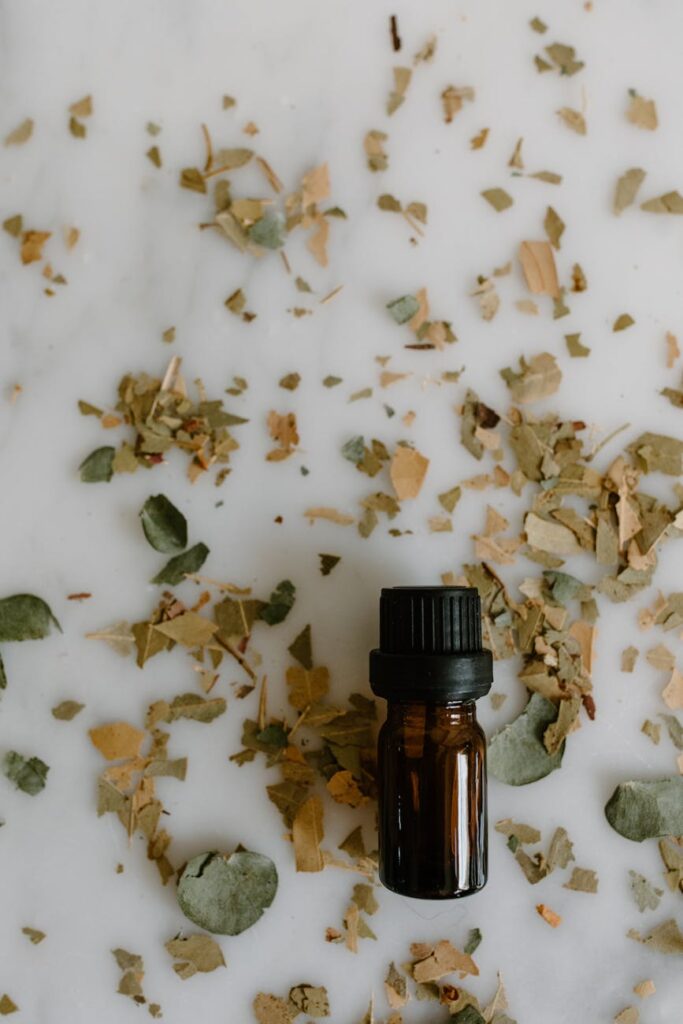
Complete Guide to Aromatherapy Blends for Seasonal Wellness Part 5
Introduction
Aromatherapy, the practice of using essential oils for therapeutic benefits, has gained popularity as a holistic approach to enhance well-being. Seasonal changes can significantly impact mood, energy levels, and overall health, making it essential to find ways to adapt to these transitions. In this fifth part of our guide, we delve into aromatherapy blends specifically crafted for seasonal wellness, exploring their benefits, common uses, and safe application methods.
What Is Aromatherapy Blends for Seasonal Wellness?
Aromatherapy blends for seasonal wellness refer to combinations of essential oils tailored to support emotional and physical well-being during different times of the year. Each season brings unique environmental factors—such as changes in temperature, humidity, and daylight—that can influence our mood and health. Seasonal aromatherapy blends harness the natural properties of essential oils to help balance and harmonize our responses to these changes.
These blends typically incorporate oils that are known for their specific properties, such as uplifting, calming, or invigorating effects, to help individuals navigate the emotional and physical challenges associated with each season.
Key Benefits and Properties
Aromatherapy blends for seasonal wellness offer a range of benefits, including:
1. Emotional Support: Certain essential oils can uplift the spirit, reduce anxiety, or promote relaxation. For example, citrus oils are often invigorating and can enhance mood, while lavender is known for its calming properties.
2. Physical Comfort: Seasonal changes can lead to discomfort, such as respiratory issues in winter or allergies in spring. Blends specifically designed for these seasons may include oils that support respiratory health or soothe skin irritations.
3. Cognitive Function: Some essential oils are believed to enhance focus and concentration, which can be particularly beneficial during the hectic seasons like back-to-school or holiday periods.
4. Immune Support: Certain oils have properties that may bolster the immune system, helping to combat seasonal illnesses.
5. Enhanced Sleep Quality: As seasons change, so do our sleep patterns. Blends that promote relaxation and calmness can support better sleep during stressful times.
Common Uses
Aromatherapy blends can be used in various ways to enhance seasonal wellness:
- Diffusion: One of the most popular methods, diffusing essential oils disperses the aromatic compounds into the air, creating an inviting atmosphere. This method is particularly effective for promoting emotional well-being.
- Topical Application: Diluted blends can be applied to the skin, allowing for localized benefits. This method is often used for muscle relief or skin care during seasonal transitions.
- Bathing: Adding essential oils to a warm bath can provide both physical and emotional benefits, promoting relaxation and comfort.
- Inhalation: Direct inhalation from a bottle or a personal inhaler can provide immediate relief and support for emotional states.
- Massage: Incorporating essential oil blends into massage can enhance the therapeutic experience, addressing both physical tension and emotional stress.
- Citrus Oils: Lemon, grapefruit, and orange promote energy and uplift the spirit.
- Herbaceous Oils: Lavender and rosemary can enhance clarity and focus.
- 3 drops of lemon
- 2 drops of lavender
- 1 drop of rosemary
- Cooling Oils: Peppermint and eucalyptus can help invigorate and refresh.
- Floral Oils: Geranium and ylang-ylang can promote emotional balance.
- 3 drops of peppermint
- 2 drops of geranium
- 1 drop of eucalyptus
- Warm and Spicy Oils: Cinnamon and clove can create a cozy atmosphere.
- Earthy Oils: Cedarwood and vetiver promote grounding and stability.
- 2 drops of cinnamon
- 2 drops of cedarwood
- 1 drop of clove
- Woodsy Oils: Pine and frankincense can foster a sense of peace.
- Lifting Oils: Bergamot and sweet orange can help combat winter blues.
- 3 drops of frankincense
- 2 drops of bergamot
- 1 drop of pine
- Dilution: Essential oils should be diluted before topical application to avoid skin irritation. A general rule of thumb is to dilute 1-2 drops of essential oil in a carrier oil (such as coconut or jojoba oil) before applying.
- Allergies: Conduct a patch test before using a new oil to check for any allergic reactions.
- Pregnancy and Nursing: Some essential oils are contraindicated during pregnancy or while nursing. It is advisable to consult with a healthcare professional before use.
- Children and Pets: Certain oils may not be safe for children or pets. Research specific oils and their effects before use around these groups.
- Quality of Oils: Always source high-quality, pure essential oils from reputable suppliers to ensure safety and efficacy.
- Containers: Essential oils should be stored in dark glass bottles to protect them from light, which can degrade the oils.
- Temperature: Store oils in a cool, dry place away from direct sunlight and heat sources.
- Shelf Life: Most essential oils have a shelf life of 1-3 years, depending on the type. Citrus oils tend to have shorter shelf lives, while oils like patchouli and sandalwood can last longer.
Aromatherapy Applications
Spring
As nature awakens and blossoms, spring can bring feelings of renewal and growth. Blends for this season may include:
Sample Blend:
Summer
Summer is often associated with vitality and outdoor activities. However, the heat can also lead to irritability and fatigue. Blends for summer may consist of:
Sample Blend:
Autumn
As the days grow shorter and the weather cools, autumn can evoke feelings of nostalgia and introspection. Ideal oils for this season include:
Sample Blend:
Winter
Winter can be a time of reflection, but it can also bring challenges such as seasonal depression and colds. Aromatherapy blends for winter might incorporate:
Sample Blend:
Safety Considerations
While aromatherapy can be a beneficial practice, safety is paramount. Here are key considerations:
Storage and Shelf Life
Proper storage of essential oils is crucial to maintain their integrity and effectiveness. Here are some guidelines:
Frequently Asked Questions
1. Can I create my own aromatherapy blends?
Yes, creating your own blends can be a rewarding experience. Start with a few oils that resonate with you and combine them based on their properties and your desired outcome.
2. How do I know which oils to choose for my needs?
Consider what you want to address—whether it’s emotional support, physical comfort, or a specific seasonal challenge. Research the properties of various oils and choose those that align with your goals.
3. Can I use essential oils in cooking?
Some essential oils are food-grade and can be used in cooking, but it is essential to confirm their safety for ingestion and to use them sparingly.
4. How often should I use aromatherapy blends?
The frequency of use can depend on individual preferences and needs. It is generally safe to use blends daily, but listening to your body and adjusting as necessary is important.
5. Are there any essential oils I should avoid during specific seasons?
Some oils may be more effective or suitable during certain seasons. For example, citrus oils can be uplifting in the winter but may cause photosensitivity if used before sun exposure in the summer.
Conclusion
Aromatherapy blends for seasonal wellness offer an accessible and enjoyable way to support emotional and physical well-being throughout the year. By understanding the unique properties of essential oils and their applications, individuals can create personalized blends that resonate with their needs. As with any holistic practice, it is essential to approach aromatherapy with mindfulness and respect for the natural world.