
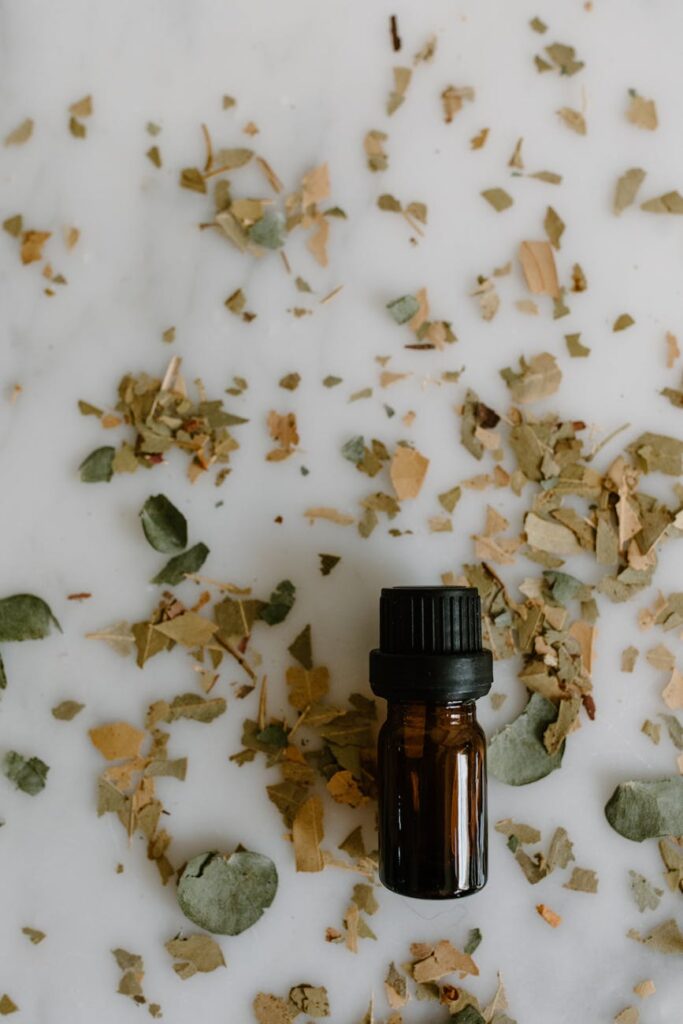
Complete Guide to Aromatherapy Blends for Seasonal Wellness Support Part 1
Introduction
As the seasons change, so do our physical and emotional needs. Many individuals seek natural alternatives to support their well-being during these transitions. Aromatherapy, the practice of using essential oils extracted from plants, has gained popularity as a holistic approach to enhance health and wellness. This guide will delve into the concept of aromatherapy blends designed specifically for seasonal wellness support, exploring their benefits, common applications, and safety considerations.
What Is Aromatherapy Blends for Seasonal Wellness Support?
Aromatherapy blends for seasonal wellness support are mixtures of essential oils tailored to address the specific challenges and needs associated with different times of the year. Each season brings its own set of environmental changes, such as shifts in temperature, humidity, allergens, and emotional states. By combining various essential oils, practitioners aim to create synergistic effects that promote balance and well-being.
These blends can be utilized in various forms, including diffusions, topical applications, inhalations, and bath rituals. The selection of essential oils in a blend is often based on their individual properties and how they complement one another to provide a holistic approach to seasonal wellness.
Key Benefits and Properties
Aromatherapy blends can offer a variety of benefits, including but not limited to:
1. Mood Enhancement: Certain oils can uplift mood and alleviate feelings of anxiety or sadness commonly associated with seasonal changes, such as the winter blues or springtime allergies.
2. Respiratory Support: Essential oils like eucalyptus and peppermint may aid in respiratory function, helping to clear nasal passages and improve breathing during allergy season or cold weather.
3. Immune Support: Some oils possess antimicrobial properties that may support the immune system, helping individuals better withstand seasonal illnesses.
4. Skin Care: Seasonal changes can affect skin health. Oils like lavender and tea tree may help soothe irritations or promote skin hydration.
5. Energy Boost: Citrus oils, such as lemon or orange, can invigorate and stimulate energy levels, making them ideal for use during the darker months when energy may wane.
6. Stress Relief: Many essential oils, including chamomile and bergamot, have calming properties that can help reduce stress and promote relaxation.
Common Uses
Aromatherapy blends for seasonal wellness support can be employed in various ways, depending on individual preferences and needs. Here are some common uses:
1. Diffusion: Using a diffuser to disperse essential oils into the air can create a pleasant atmosphere while providing therapeutic benefits. This method is particularly effective for mood enhancement and promoting relaxation.
2. Topical Application: Blending essential oils with a carrier oil allows for topical application. This is especially useful for skin care or targeted relief, such as muscle tension or headaches.
3. Inhalation: Direct inhalation of essential oils from a bottle or a personal inhaler can provide quick relief for respiratory discomfort or emotional distress.
4. Bath Rituals: Adding essential oils to bathwater can create a calming and rejuvenating experience, perfect for unwinding after a long day or during seasonal stress.
5. Massage: Incorporating essential oils into massage oil can enhance the benefits of touch therapy, promoting relaxation and reducing tension in the body.
Aromatherapy Applications
Winter Wellness
During winter, many people experience dry skin, colds, and general lethargy. A suggested blend for winter wellness might include:
- Eucalyptus: Known for its respiratory support.
- Frankincense: Offers grounding and calming properties.
- Lavender: Helps with relaxation and sleep.
- Lemon: Uplifting and cleansing properties.
- Peppermint: Energizing and refreshing.
- Tea Tree: Antimicrobial support for skin.
- Lavender: Soothes sunburn and promotes skin healing.
- Geranium: Balances skin oils and provides a floral scent.
- Citrus oils (like Sweet Orange): Energizing and uplifting.
- Cinnamon: Invigorating and warming.
- Clary Sage: Calming properties for seasonal stress.
- Orange: Bright and cheerful.
Spring Awakening
As spring arrives, individuals often face allergies and a need for rejuvenation. A refreshing blend might consist of:
Summer Sun
In summer, the focus may be on hydration and sun protection. A summer blend could include:
Autumn Transition
As autumn arrives, many seek comfort and warmth. A cozy blend could feature:
Safety Considerations
While aromatherapy is generally regarded as safe, certain precautions should be taken:
1. Dilution: Essential oils should always be diluted with a carrier oil before topical application to minimize irritation.
2. Sensitivity Testing: Individuals should perform a patch test on a small area of skin before full application, especially if they have sensitive skin or are using a new oil.
3. Quality of Oils: Only use high-quality essential oils from reputable sources to ensure purity and effectiveness.
4. Pregnancy and Nursing: Some essential oils are not recommended for use during pregnancy or nursing. Always consult with a qualified practitioner if unsure.
5. Medical Conditions: Individuals with chronic medical conditions or those taking medications should seek advice before using essential oils.
Storage and Shelf Life
To maintain the potency and integrity of essential oils, proper storage is crucial:
1. Cool, Dark Place: Essential oils should be stored in a cool, dark place away from direct sunlight and heat, which can degrade their quality.
2. Tight Sealing: Ensure that bottles are tightly sealed after each use to prevent oxidation and evaporation.
3. Shelf Life: While some essential oils have a long shelf life (up to several years), others may expire sooner. Citrus oils, for instance, have a shorter shelf life and should be used within one to two years of opening.
Frequently Asked Questions
What are the most popular essential oils for seasonal wellness?
Some popular essential oils for seasonal wellness include lavender, eucalyptus, tea tree, peppermint, and citrus oils like lemon and orange.
How do I blend essential oils for my needs?
Start with a base or carrier oil, and add a few drops of your chosen essential oils based on their properties. A common ratio is 2-3% essential oil to carrier oil for topical blends.
Can I use essential oils if I have allergies?
While some essential oils can support respiratory health, it’s important to consult with a healthcare provider if you have known allergies, as certain oils may trigger reactions.
How can I incorporate aromatherapy into my daily routine?
You can diffuse essential oils in your home, apply them topically after dilution, or add them to your bath. Experiment with different methods to find what works best for you.
Are there any essential oils I should avoid?
Certain oils, such as wintergreen and clove, should be used with caution, particularly in children or pregnant women. Always research and consult if unsure.
—
This guide serves as an introduction to aromatherapy blends for seasonal wellness support. Understanding the properties and uses of essential oils can empower individuals to harness their benefits and enhance their overall well-being throughout the changing seasons. Stay tuned for Part 2, where we will delve deeper into specific recipes and formulations for each seasonal blend.