
Complete Guide to Aromatherapy Blends for Seasonal Wellness Support Part 4
Introduction
Aromatherapy has gained significant attention as a holistic approach to enhancing well-being and emotional balance. This guide, Part 4 of our comprehensive series on aromatherapy blends, delves into the intricacies of creating and utilizing essential oil blends specifically designed to support seasonal wellness. Whether you are seeking to uplift your spirits during the winter months or find relief from seasonal allergies, understanding the properties and applications of essential oils can empower you to harness their benefits effectively.
What Is Aromatherapy Blends for Seasonal Wellness Support?
Aromatherapy blends for seasonal wellness support refer to combinations of essential oils that are curated to address specific emotional and physical challenges that may arise during different seasons. The changing environment, temperature fluctuations, and varying levels of daylight can affect our mood, energy levels, and overall health. By incorporating essential oils into your seasonal wellness routine, you can create a nurturing atmosphere that promotes balance and comfort.
These blends often combine oils with complementary properties, enhancing their effectiveness. For example, citrus oils may invigorate during sluggish winter months, while floral oils can soothe during the heightened pollen of spring.
Key Benefits and Properties
Aromatherapy blends harness the unique benefits of individual essential oils. Here are some key benefits associated with various oils commonly used for seasonal wellness support:
1. Mood Enhancement: Oils like bergamot and sweet orange have uplifting properties that can help combat seasonal affective disorder (SAD) and general feelings of gloom during darker months.
2. Respiratory Relief: Eucalyptus and peppermint oils are known for their ability to support respiratory health, making them suitable for easing discomfort associated with allergies or colds that may arise in spring and fall.
3. Stress Reduction: Oils such as lavender and chamomile are renowned for their calming effects, helping to reduce anxiety and promote relaxation, particularly during stressful seasonal transitions.
4. Immune Support: Essential oils like tea tree and thyme possess antimicrobial properties that can support overall immunity, a crucial factor during the colder months when colds and flu are prevalent.
5. Energy Boosting: Citrus oils, including lemon and grapefruit, provide an invigorating lift, ideal for combating lethargy often felt during the gray days of winter.
Common Uses
Aromatherapy blends can be utilized in a variety of ways to accommodate personal preferences and lifestyles. Here are some common methods:
1. Diffusion: Using an essential oil diffuser is one of the most popular methods for dispersing essential oils into the air. This method allows for a gentle and continuous release of the beneficial compounds, creating an aromatic environment.
2. Topical Application: Diluting essential oils with a carrier oil (such as jojoba or coconut oil) enables safe topical application. This method is particularly effective for targeting specific areas of discomfort or applying blends for emotional support.
3. Baths: Adding essential oils to bathwater can create a soothing and therapeutic experience. Blends designed for relaxation or invigoration can enhance your bathing ritual.
4. Inhalation: Inhaling essential oils directly from the bottle or a cotton ball can provide immediate effects, making this method particularly useful for quick relief from stress or respiratory discomfort.
5. Room Sprays: Creating a room spray with essential oils diluted in water can refresh your living space and enhance the atmosphere.
Aromatherapy Applications
Seasonal Blends
1. Winter Wellness Blend:
- Ingredients: 5 drops of eucalyptus, 4 drops of orange, 2 drops of rosemary
- Use: Diffuse during the winter months to support respiratory health and uplift mood.
- Ingredients: 3 drops of lavender, 3 drops of peppermint, 2 drops of lemon
- Use: Inhale directly or diffuse to help alleviate allergy symptoms and promote clarity of mind.
- Ingredients: 4 drops of grapefruit, 3 drops of peppermint, 2 drops of basil
- Use: Use as a room spray or diffuse to energize and refresh during hot summer days.
- Ingredients: 5 drops of cinnamon, 3 drops of clove, 2 drops of orange
- Use: Diffuse to create a warm and cozy atmosphere during the cooler fall months.
- Choose a Base Oil: Start with a carrier oil if you are making a topical blend, or select a primary essential oil as the base for diffusion.
- Select Complementary Oils: Choose oils that will enhance or balance the effects of your base oil. Consider how each oil interacts with the others.
- Test and Adjust: Begin with small amounts of each oil, gradually adjusting until you find a blend that resonates with you.
2. Spring Allergy Relief Blend:
3. Summer Refreshing Blend:
4. Autumn Comfort Blend:
Creating Your Own Blends
Customizing your own aromatherapy blends can be a rewarding experience. Here are some guidelines:
Safety Considerations
While essential oils are natural, they are potent substances that must be used with care. Here are some important safety guidelines:
1. Dilution: Always dilute essential oils with a carrier oil before applying them to the skin to reduce the risk of irritation.
2. Skin Sensitivity: Perform a patch test before widespread application to check for any allergic reactions.
3. Pregnancy and Breastfeeding: Consult with a healthcare professional before using essential oils during pregnancy or while breastfeeding, as some oils may not be safe.
4. Children and Pets: Certain essential oils can be harmful to children and pets. Research thoroughly before using specific oils in households with these vulnerable populations.
5. Quality Matters: Use high-quality, pure essential oils from reputable sources to avoid synthetic additives that can detract from the therapeutic benefits.
Storage and Shelf Life
Proper storage of essential oils is crucial for maintaining their potency. Here are some tips:
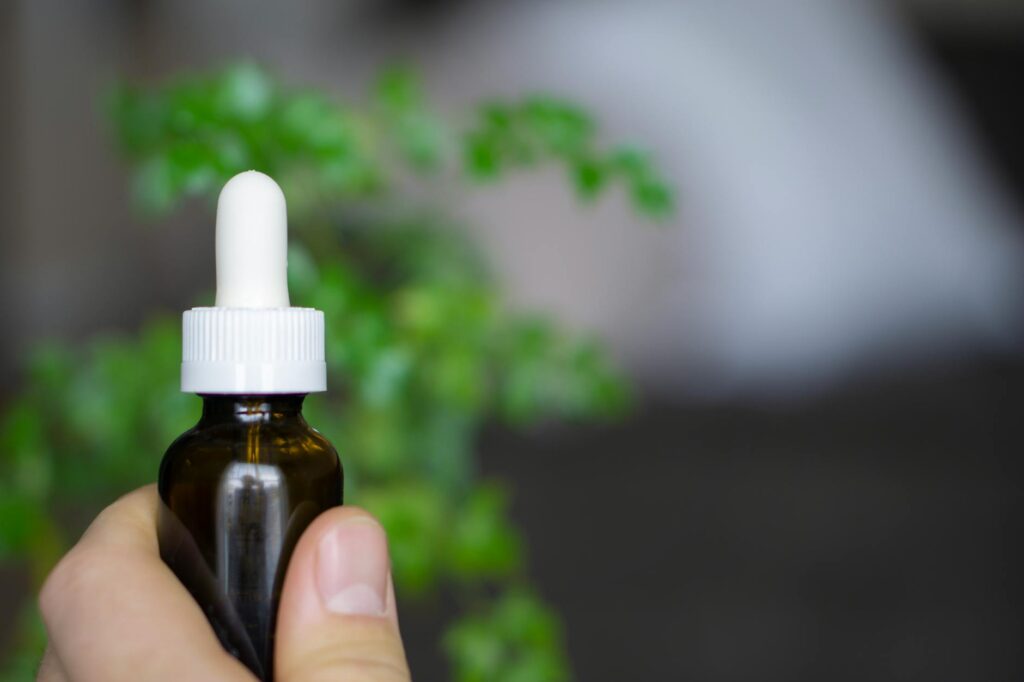
1. Keep Away from Light: Store essential oils in dark glass bottles to protect them from UV light, which can degrade their quality.
2. Cool, Dry Place: Essential oils should be kept in a cool, dry place, away from heat sources and humidity.
3. Shelf Life: While many essential oils have a shelf life of 1 to 3 years, some oils (like citrus) may have a shorter lifespan. Always check for changes in aroma or consistency before use.
Frequently Asked Questions
Can essential oils cure illnesses?
While essential oils can support overall wellness and enhance emotional well-being, they should not be considered a cure for any medical condition. It is essential to consult healthcare professionals for guidance on health issues.
How do I know which essential oils to use?
Selecting essential oils often depends on individual preferences and desired outcomes. Researching the properties of various oils and understanding your personal needs can guide your choices.
Are there any essential oils to avoid during pregnancy?
Yes, certain essential oils, such as rosemary, sage, and basil, are typically advised against during pregnancy. Always consult a healthcare provider for personalized advice.
Can I mix different essential oils?
Yes, blending different essential oils can create unique combinations that enhance their individual properties. Experimenting with small amounts can lead to delightful and beneficial blends.
How do I know if an essential oil is pure?
Look for oils labeled as 100% pure essential oil, and choose reputable brands that provide information about sourcing and testing for purity.
Conclusion
Aromatherapy blends for seasonal wellness support offer a natural and enjoyable way to enhance your emotional and physical well-being throughout the year. By understanding the properties of various essential oils and their applications, you can create personalized blends that cater to your specific needs. Remember to prioritize safety and quality in your aromatherapy journey, and enjoy the myriad benefits that these fragrant elixirs can bring to your life.