
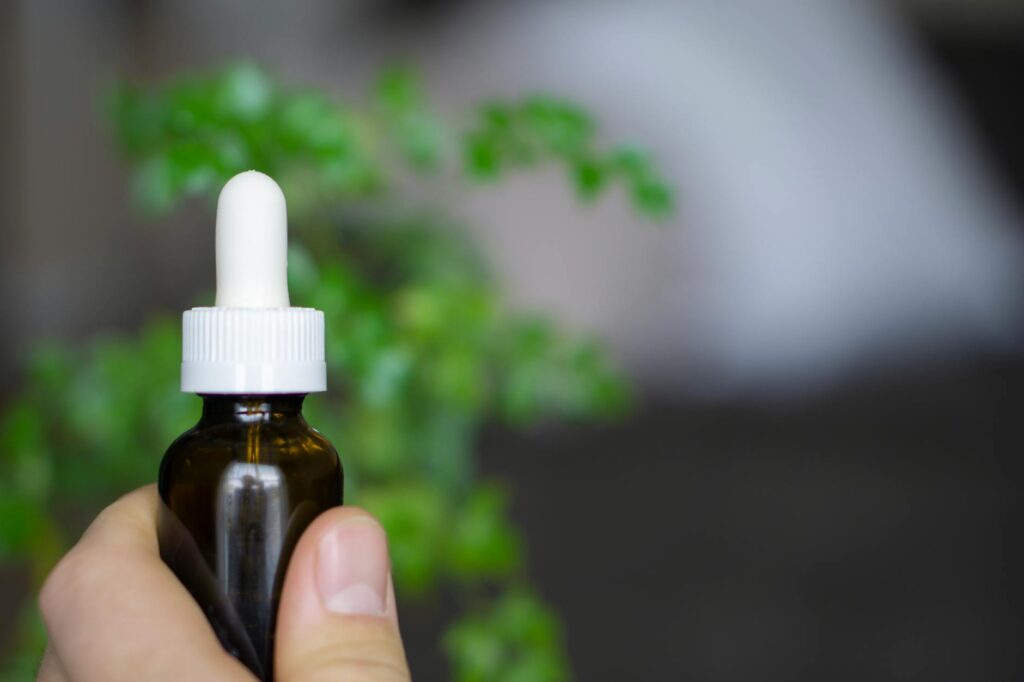
Complete Guide to Aromatherapy Blends for Seasonal Wellness Support Part 7
Introduction
As the seasons change, our bodies and minds often demand different forms of support. Aromatherapy, the practice of using essential oils for therapeutic purposes, offers a variety of blends that can enhance our well-being throughout the year. In this seventh installment of our series on aromatherapy blends for seasonal wellness support, we will delve into the properties, benefits, and applications of these aromatic concoctions, providing a holistic approach to navigating seasonal transitions.
What Is Aromatherapy Blends for Seasonal Wellness Support?
Aromatherapy blends for seasonal wellness support are carefully crafted mixtures of essential oils designed to address specific emotional and physical needs that arise during different times of the year. These blends harness the unique properties of various essential oils, which are extracted from plants, flowers, and trees, to promote emotional balance, boost immunity, and enhance overall well-being.
For example, during the colder months, certain oils may be used to uplift the spirit and fend off seasonal blues, while in the warmer months, refreshing and invigorating blends may help combat fatigue and enhance energy levels. Each blend is often tailored to the characteristics of the season, offering a natural way to support the body and mind.
Key Benefits and Properties
Aromatherapy blends for seasonal wellness support can provide a wide array of benefits, including:
1. Emotional Balance: Essential oils can have a profound impact on mood and emotional health. Citrus oils like lemon and orange are often uplifting, while grounding oils like vetiver and cedarwood can promote relaxation.
2. Immunity Support: Certain essential oils, such as tea tree and eucalyptus, possess antimicrobial properties that may help support immune function during seasonal changes when infections are more prevalent.
3. Respiratory Health: Oils like peppermint and eucalyptus can assist with respiratory issues, often exacerbated by seasonal allergens or cold weather.
4. Stress Reduction: Blends that include lavender or chamomile can help alleviate stress and anxiety, making them perfect for challenging seasonal transitions.
5. Energy Boosting: Invigorating oils such as rosemary or ginger can provide a natural energy lift, helping to combat feelings of lethargy that may occur during certain seasons.
Common Uses
Aromatherapy blends for seasonal wellness support can be utilized in various ways, including:
- Diffusion: Using an essential oil diffuser to disperse the aromatic compounds into the air, creating a pleasant atmosphere while also benefiting from the therapeutic properties of the oils.
- Topical Application: Diluting essential oils in carrier oils (such as jojoba or coconut oil) enables topical application, allowing the oils to be absorbed through the skin for localized benefits.
- Inhalation: Direct inhalation from the bottle or a tissue can provide immediate relief from stress or discomfort.
- Bathing: Adding essential oils to bathwater can create a soothing experience that enhances both physical and emotional well-being.
- Massage: Blending essential oils with a carrier oil for massage can provide relaxation and alleviate tension in sore muscles.
- Dilution: Always dilute essential oils in a suitable carrier oil before applying them to the skin to minimize the risk of irritation.
- Patch Testing: Conduct a patch test before using a new blend on the skin to check for allergic reactions.
- Pregnancy and Nursing: Consult a healthcare professional before using essential oils while pregnant or nursing, as some oils may not be safe during these times.
- Children and Pets: Use caution when using essential oils around children and pets. Certain oils can be toxic to animals, and children may be more sensitive to their effects.
- Medical Conditions: If you have underlying health conditions or are taking medication, consult with a qualified practitioner before using essential oils.
- Keep Away from Light: Store essential oils in dark glass bottles to protect them from light, which can degrade their quality.
- Cool Environment: Maintain a cool, dry environment for storage, as heat can also affect the potency of essential oils.
- Shelf Life: Most essential oils have a shelf life of 1 to 3 years, but citrus oils tend to have a shorter shelf life due to their volatility. Always check for signs of degradation, such as changes in color or scent.
Aromatherapy Applications
Seasonal Blends
1. Spring Awakening Blend: A refreshing blend that combines lemon, peppermint, and lavender can help uplift the spirit and relieve allergy symptoms common in spring.
2. Summer Refresh Blend: A combination of eucalyptus, bergamot, and grapefruit can invigorate and energize, perfect for combating the fatigue sometimes experienced in the heat.
3. Autumn Comfort Blend: A warm blend of cinnamon, clove, and orange can evoke feelings of coziness, helping to ease the transition into the cooler months.
4. Winter Warmth Blend: A comforting mix of frankincense, ginger, and cedarwood can promote a sense of calm and warmth during the cold winter months.
Blending Techniques
Creating your own seasonal blends can be an enjoyable and creative process. Here are some basic steps to consider:
1. Choose Your Base: Start with a primary essential oil that embodies the desired effect of the blend.
2. Add Complementary Oils: Select two or three additional essential oils that complement the base, either in scent or therapeutic properties.
3. Determine Ratios: A common ratio for essential oil blends is 2-3 drops of each essential oil per 10 ml of carrier oil for topical applications, or 3-5 drops per 100 ml of water for diffusing.
4. Test Your Blend: Before using a new blend extensively, perform a patch test if applying topically, or start with a small amount in a diffuser to gauge your response.
Safety Considerations
While essential oils can provide various benefits, it is crucial to approach their use with caution. Here are some safety considerations:
Storage and Shelf Life
Proper storage of essential oils is essential to maintain their effectiveness and longevity. Here are some guidelines:
Frequently Asked Questions
1. Can I create my own aromatherapy blends?
Yes! Creating your own blends can be a rewarding experience. Start with essential oils that resonate with you and combine them in different ratios to find the perfect blend.
2. How often can I use aromatherapy blends?
You can use aromatherapy blends as needed; however, it’s advisable to take breaks and not to use them continuously for extended periods to avoid desensitization or irritation.
3. Are there any essential oils I should avoid?
Certain oils may cause sensitivity or adverse reactions in some individuals. Common oils to use with caution include cinnamon, clove, and oregano. Always perform a patch test before wider application.
4. Can I use essential oils for children?
Some essential oils can be safe for children, but it is essential to dilute them appropriately and consult with a healthcare professional for guidance.
5. How do I know which essential oils are best for me?
Choosing essential oils often comes down to personal preference and desired effects. Consider your emotional and physical needs, and explore oils that align with those goals.
Conclusion
Aromatherapy blends for seasonal wellness support offer an accessible and holistic way to navigate the emotional and physical challenges that arise throughout the year. By understanding the properties and applications of essential oils, individuals can create personalized blends that enhance their well-being in a natural and enjoyable manner. As you explore the world of aromatherapy, remember to prioritize safety and consult with professionals when needed, ensuring a positive experience with these fragrant allies.