
Complete Guide to Aromatherapy Blends for Seasonal Wellness Support
Introduction
As the seasons change, so do our physical and emotional needs. Aromatherapy, the practice of using essential oils extracted from plants for therapeutic purposes, offers a holistic approach to support our well-being throughout the year. Seasonal wellness support through aromatherapy blends can enhance mood, boost immunity, and promote relaxation, among other benefits. This guide aims to explore aromatherapy blends tailored for seasonal wellness, including their properties, common uses, and safety considerations.
What Is Aromatherapy Blends for Seasonal Wellness Support?
Aromatherapy blends are combinations of essential oils formulated to achieve specific therapeutic outcomes. These blends can be tailored to address seasonal challenges, such as allergies in spring, fatigue in winter, or stress during holiday seasons. By harnessing the aromatic properties of essential oils, these blends aim to enhance physical, emotional, and mental wellness.
Essential oils are highly concentrated extracts derived from various parts of plants, including leaves, flowers, bark, and roots. Each essential oil possesses unique characteristics and benefits, making them suitable for a range of applications. When combined thoughtfully, these oils create synergistic effects, amplifying their individual benefits and enhancing overall well-being.
Key Benefits and Properties
Aromatherapy blends for seasonal wellness can provide a variety of benefits, including:
1. Mood Enhancement
Certain essential oils, such as lavender and citrus oils, are known for their uplifting properties. These oils can help mitigate seasonal mood fluctuations, promoting feelings of happiness and relaxation.
2. Immune Support
Essential oils like tea tree, eucalyptus, and frankincense possess antimicrobial qualities that may support the immune system. These oils can help the body fend off seasonal illnesses.
3. Respiratory Relief
Oils such as peppermint and eucalyptus are often utilized for their decongestant properties, making them helpful during allergy seasons or colds.
4. Stress Relief
Blends incorporating calming oils such as chamomile and bergamot can aid in reducing stress and promoting tranquility, particularly during hectic seasonal periods.
5. Skin Care
Seasonal changes can impact skin health. Oils like rose and geranium can be beneficial in addressing skin concerns that arise due to environmental shifts.
Common Uses
Seasonal aromatherapy blends can be employed in various ways, depending on individual preferences and needs. Here are some common applications:
1. Diffusion
Using an essential oil diffuser is one of the most popular methods to disperse aromatic compounds into the air. This method can create a soothing atmosphere, enhancing mood and promoting relaxation.
2. Topical Application
Blends can be diluted with a carrier oil and applied directly to the skin. This method allows for localized benefits, particularly for issues like muscle tension or skin conditions.
3. Inhalation
Direct inhalation of essential oils from a bottle or a cotton ball can provide immediate relief for respiratory discomfort or stress.
4. Bathing
Adding essential oils to bathwater can create a calming and rejuvenating experience. This method is particularly effective for seasonal stress relief.
5. Household Cleaning
Certain essential oils possess antibacterial properties and can be used in homemade cleaning products. Oils like lemon and tea tree are popular choices for maintaining a clean environment.
Aromatherapy Applications
Spring: Awakening and Renewal
Blend Ideas:
- Uplifting Citrus Blend: Combine orange, lemon, and grapefruit to create an energizing atmosphere as nature awakens.
- Allergy Relief Blend: A mix of lavender, peppermint, and eucalyptus may aid in alleviating seasonal allergy symptoms.
- Cooling Mint Blend: Peppermint, spearmint, and rosemary can provide a refreshing aroma, helping to combat the summer heat.
- Insect Repellent Blend: A combination of citronella, lavender, and cedarwood can deter pests while providing a pleasant scent.
- Grounding Spice Blend: A mix of cinnamon, clove, and ginger can create a warm and comforting atmosphere, perfect for the fall season.
- Mood-Boosting Blend: Combining bergamot, frankincense, and ylang-ylang can enhance mood during the transition into colder months.
- Cozy Comfort Blend: A combination of cedarwood, vanilla, and sandalwood can create a warm, comforting environment during the cold winter months.
- Respiratory Support Blend: Eucalyptus, tea tree, and lemon can help support healthy respiratory function during flu season.
Summer: Vitality and Joy
Blend Ideas:
Autumn: Transition and Reflection
Blend Ideas:
Winter: Rest and Resilience
Blend Ideas:
Safety Considerations
While aromatherapy is generally safe when practiced mindfully, there are important safety considerations to keep in mind:
1. Dilution
Essential oils are highly concentrated and should always be diluted with a carrier oil (such as jojoba, coconut, or almond oil) before topical application. A common dilution ratio is 2-3 drops of essential oil per teaspoon of carrier oil.
2. Skin Sensitivity
Perform a patch test by applying a diluted blend to a small area of skin to check for any allergic reactions or sensitivities before widespread use.
3. Special Populations
Pregnant or breastfeeding individuals, children, and those with specific health conditions should consult a healthcare provider before using essential oils. Certain oils may not be safe for these populations.
4. Quality of Oils
Choose high-quality, therapeutic-grade essential oils from reputable sources to ensure purity and efficacy. Look for oils that are labeled as 100% pure and free from synthetic additives.
Storage and Shelf Life
Proper storage of essential oils is essential to maintain their potency and effectiveness. Here are some guidelines:
1. Storage Conditions
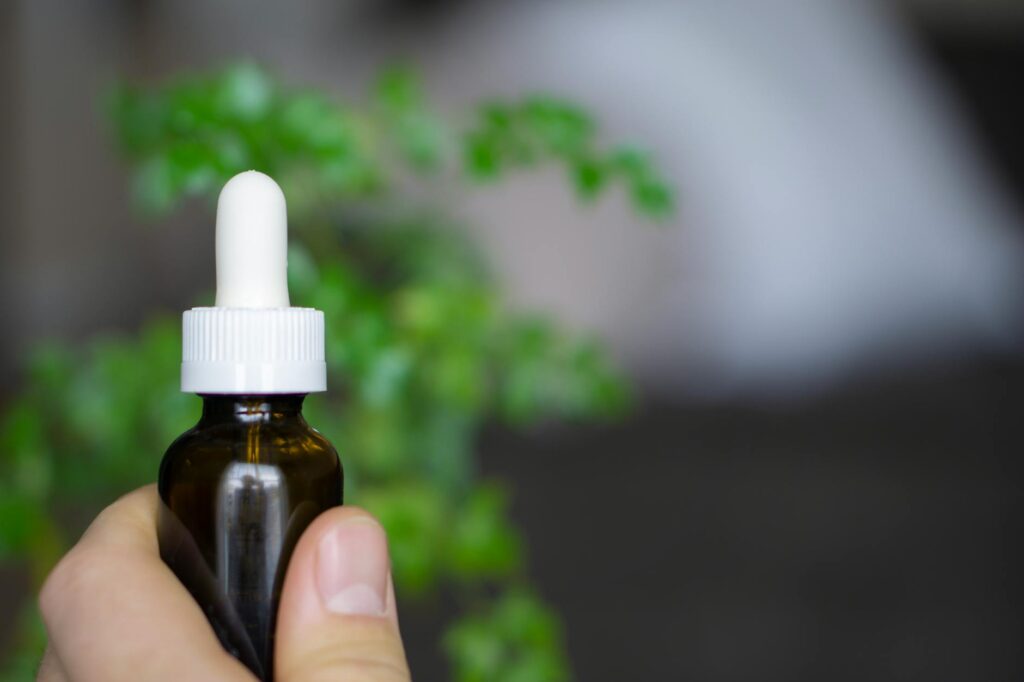
Store essential oils in a cool, dark place away from direct sunlight and heat. Dark glass bottles are ideal for preserving the integrity of the oils.
2. Shelf Life
The shelf life of essential oils varies depending on the type. Generally, citrus oils have a shorter shelf life (1-2 years), while oils like sandalwood and cedarwood can last for several years. Always check for changes in aroma or consistency, which may indicate that the oil has expired.
Frequently Asked Questions
1. Can I mix different essential oils together?
Yes, blending different essential oils can create synergistic effects. Experimenting with various combinations can help you find the perfect blend for your needs.
2. How do I know which essential oils to use?
Identifying your specific seasonal wellness needs can guide your choice of essential oils. Researching the properties of each oil can help you select those that align with your objectives.
3. Is aromatherapy safe for children?
While many essential oils can be safe for children when properly diluted, it’s essential to consult a healthcare provider for guidance on the best oils and proper dilution ratios.
4. Can I use essential oils in cooking?
Some essential oils are safe for culinary use, such as lemon and peppermint. However, it is crucial to ensure that the oils are labeled as food-grade and to use them sparingly.
5. How often can I use aromatherapy blends?
The frequency of use depends on the method of application and individual sensitivity. Generally, using blends in moderation—such as several times a day—can be effective without overwhelming the senses.
Conclusion
Aromatherapy blends can be a valuable tool for supporting seasonal wellness, offering a natural approach to enhance mood, immunity, and relaxation. By understanding the properties, applications, and safety considerations of essential oils, individuals can create personalized blends that cater to their specific needs throughout the year. Embracing the power of nature through aromatherapy can lead to a more balanced and harmonious seasonal experience.