
Complete Guide to Aromatherapy Blends for Self-Care and Relaxation
Introduction
Aromatherapy, the practice of using essential oils derived from plants to promote physical and psychological well-being, has gained significant popularity in recent years. At the heart of this practice lies the concept of aromatherapy blends, which combine various essential oils to create synergistic effects tailored to specific needs. This guide explores the world of aromatherapy blends specifically designed for self-care and relaxation, offering insights into their benefits, applications, and safe usage.
What Are Aromatherapy Blends for Self-Care and Relaxation?
Aromatherapy blends are combinations of essential oils mixed together to enhance their individual properties. In the context of self-care and relaxation, these blends are crafted to evoke feelings of calmness, reduce stress, and promote overall well-being. By tapping into the innate qualities of each essential oil, users can create personalized experiences that cater to their emotional and physical needs.
Common essential oils used in relaxation blends include lavender, chamomile, bergamot, and ylang-ylang, among others. Each of these oils possesses unique aromatic profiles and therapeutic properties, making them ideal candidates for self-care applications.
Key Benefits and Properties
Aromatherapy blends for self-care and relaxation offer a variety of benefits, including:
1. Stress Relief: Many essential oils are known for their calming effects, helping to reduce anxiety and promote a sense of tranquility.
2. Enhanced Mood: Certain blends can uplift spirits, alleviate feelings of sadness, and foster a more positive emotional state.
3. Improved Sleep Quality: Aromatherapy can create a conducive environment for restful sleep, particularly when using calming oils before bedtime.
4. Physical Relaxation: Some essential oils possess analgesic properties, which may help relieve muscle tension and discomfort.
5. Mindfulness and Presence: Engaging with scents through aromatherapy can enhance mindfulness, encouraging users to focus on the present moment.
Common Uses
Aromatherapy blends can be utilized in various ways, depending on individual preferences and circumstances. Some common uses include:
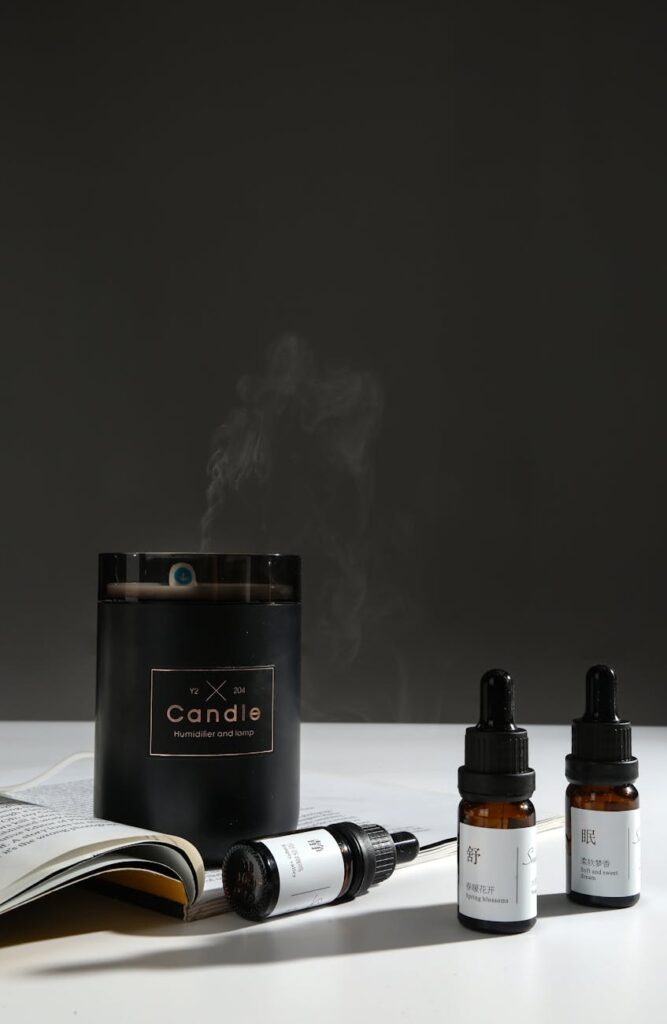
- Diffusion: Using an essential oil diffuser to disperse the aroma throughout a room creates a calming atmosphere.
- Topical Application: Diluted blends can be applied to pulse points, such as wrists or behind the ears, for personal inhalation.
- Bathing: Adding essential oil blends to bathwater can transform a simple bath into a relaxing ritual.
- Massage: Incorporating aromatherapy blends into massage oils can enhance relaxation during bodywork sessions.
- Inhalation: Simply inhaling the scent directly from the bottle or by using a cotton ball can provide immediate effects.
- Lavender and Chamomile: This classic blend is known for its soothing properties. Lavender promotes calmness, while chamomile aids in reducing anxiety.
- Bergamot and Ylang-Ylang: Bergamot is uplifting and can alleviate feelings of sadness, whereas ylang-ylang offers a sweet floral aroma that promotes relaxation.
- Cedarwood and Lavender: Cedarwood has grounding properties that can help quiet the mind. When combined with lavender, it becomes a powerful ally for restful sleep.
- Frankincense and Sandalwood: Both oils have calming effects and are often used to promote deep relaxation and meditation.
- Peppermint and Lemon: While peppermint is invigorating, lemon is known for its uplifting qualities, making this blend ideal for refreshing the mind during stressful moments.
- Rose and Geranium: This floral blend is excellent for emotional balance, helping to alleviate stress and restore peace.
Aromatherapy Applications
1. Relaxation Blends
2. Sleep Aids
3. Stress Relief
Safety Considerations
While aromatherapy is generally safe when practiced correctly, it is essential to observe certain safety guidelines:
1. Dilution: Essential oils should always be diluted in a carrier oil before topical application. A common dilution ratio is 2-3 drops of essential oil per teaspoon of carrier oil.
2. Patch Testing: Before using a new blend on a larger area of skin, perform a patch test on a small area to check for any allergic reactions.
3. Consultation: Pregnant or breastfeeding individuals, as well as those with specific health conditions, should consult a qualified professional before using essential oils.
4. Avoiding Ingestion: Essential oils should not be ingested unless specifically instructed by a qualified practitioner.
5. Children and Pets: Some essential oils can be harmful to children and animals. Always research the safety of specific oils before use in homes with pets or young children.
Storage and Shelf Life
Proper storage of essential oils and blends is crucial to maintain their efficacy and aroma. Here are some best practices:
1. Dark Glass Containers: Store essential oils and blends in dark glass bottles to protect them from light exposure, which can degrade their quality.
2. Cool, Dry Place: Keep oils in a cool and dry location, away from direct sunlight and heat sources. A cabinet or drawer works well.
3. Shelf Life: While essential oils can last for years when stored properly, their potency may diminish over time. Generally, citrus oils have a shorter shelf life (about 1-2 years), while oils like patchouli and sandalwood can last much longer (up to 5 years or more).
Frequently Asked Questions
1. Can I mix different essential oils together?
Yes, blending different essential oils can create unique and effective combinations. Consider the properties of each oil and how they complement each other.
2. How do I know which essential oils to use for relaxation?
Start with well-known relaxants like lavender, chamomile, and bergamot. As you become more familiar with different scents, you can experiment to find what works best for you.
3. Can aromatherapy help with anxiety and stress?
Many people find that aromatherapy can provide relief from anxiety and stress, but it is important to approach it as a complementary practice rather than a primary treatment.
4. How often can I use aromatherapy blends?
You can use aromatherapy blends as often as you feel necessary. However, it is advisable to take breaks or rotate oils to prevent sensory fatigue.
5. Are there any essential oils I should avoid?
Certain essential oils, such as wintergreen and eucalyptus, should be used with caution, especially around young children and pets. Always research specific oils before use.
Conclusion
Aromatherapy blends for self-care and relaxation offer a holistic approach to enhancing well-being through the power of scents. By understanding the properties of various essential oils and how to safely use them, individuals can create personalized experiences that cater to their unique emotional and physical needs. Whether through diffusion, topical application, or bath rituals, the art of blending essential oils opens the door to enriching self-care practices.