
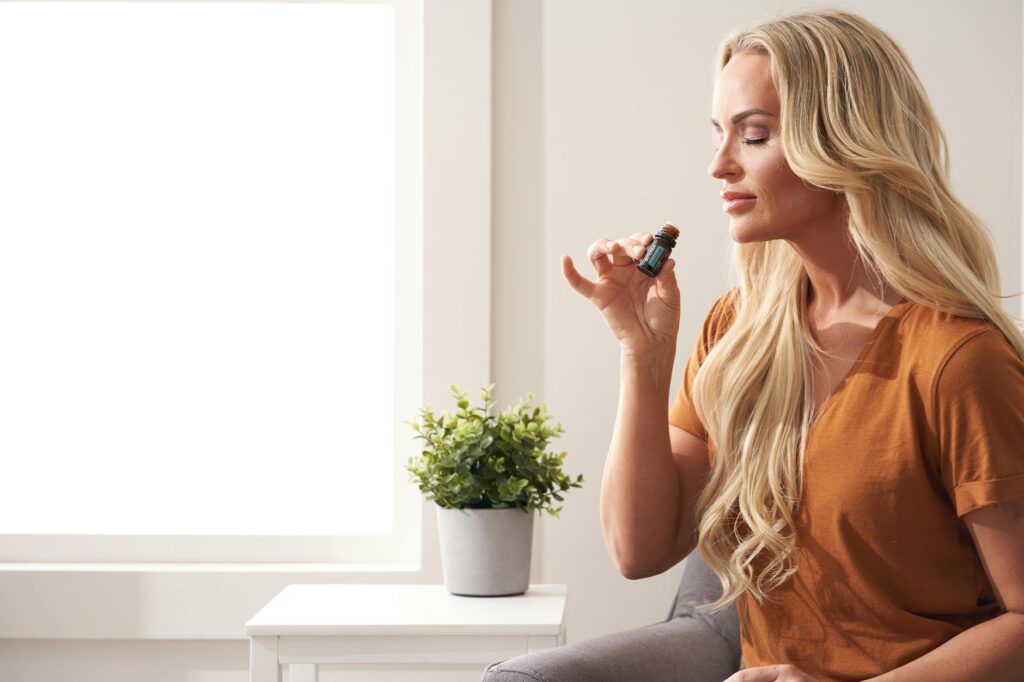
Complete Guide to Aromatherapy Blends for Self-Compassion
Introduction
In our fast-paced world, the concept of self-compassion has gained significant importance. Self-compassion involves treating oneself with kindness and understanding during times of hardship or failure. Aromatherapy, the use of essential oils for therapeutic purposes, offers a holistic approach to enhancing self-compassion through carefully crafted blends. This guide delves into the essence of aromatherapy blends designed to cultivate self-compassion, exploring their benefits, applications, and safety considerations.
What Are Aromatherapy Blends for Self-Compassion?
Aromatherapy blends for self-compassion consist of specific essential oils combined to promote feelings of self-acceptance, emotional healing, and tranquility. These blends typically incorporate oils known for their calming, uplifting, and nurturing properties, helping individuals to foster a more compassionate relationship with themselves.
The process of creating these blends often involves selecting essential oils that resonate emotionally or energetically with the user, allowing for a personalized approach to self-care. Some commonly used oils in self-compassion blends include lavender, bergamot, and frankincense, each contributing unique benefits to the overall experience.
Key Benefits and Properties
Emotional Balance
Aromatherapy blends designed for self-compassion can help in establishing emotional balance. Many essential oils possess properties that can reduce feelings of anxiety, promote relaxation, and support emotional well-being.
Stress Reduction
Essential oils such as lavender and chamomile are well-known for their ability to reduce stress and promote a sense of calm. Using these oils in a blend can create an atmosphere conducive to self-reflection and emotional healing.
Enhancing Mindfulness
Certain aromatherapy blends can also enhance mindfulness, encouraging users to stay present and engaged with their feelings. This awareness can facilitate a deeper understanding of one’s emotions and foster self-acceptance.
Nurturing Self-Love
Blends that combine uplifting oils, such as ylang-ylang and bergamot, can help cultivate feelings of love and appreciation for oneself. This nurturing quality is essential in developing a compassionate relationship with oneself.
Common Uses
Aromatherapy blends for self-compassion can be utilized in various ways, including:
Diffusion
Using a diffuser is one of the most popular methods of dispersing essential oils into the air. By adding a few drops of a self-compassion blend to a diffuser, individuals can create a soothing environment that encourages relaxation and emotional healing.
Topical Application
Diluting essential oils in a carrier oil and applying them to pulse points can provide a direct connection to the calming effects of the blend. Areas such as the wrists, neck, or behind the ears are ideal for application.
Bathing
Incorporating aromatherapy blends into bath water can create a luxurious and calming experience. A few drops of the blend can be added to a warm bath to enhance relaxation and promote self-care.
Meditation and Yoga
Using aromatherapy during meditation or yoga practice can deepen the experience. The scents can help set an intention for self-compassion, allowing practitioners to connect more profoundly with themselves.
Aromatherapy Applications
Creating Your Own Blends
To create an effective self-compassion blend, consider combining essential oils based on their individual properties and how they resonate with you. Here are some examples of oils to consider:
- Lavender: Known for its calming effects, it helps to reduce anxiety and promote relaxation.
- Bergamot: This uplifting oil can enhance mood and relieve feelings of stress.
- Frankincense: Often used for its grounding properties, it encourages deep breathing and emotional clarity.
- Sweet Orange: A cheerful oil that can foster joy and positivity.
- Ylang-Ylang: This floral oil promotes feelings of love and acceptance.
- 5 drops of Lavender
- 4 drops of Bergamot
- 3 drops of Frankincense
- 2 drops of Ylang-Ylang
Sample Self-Compassion Blend Recipe
For a calming self-compassion blend, you might combine:
Mix these oils in a dark glass bottle and dilute with a carrier oil (such as jojoba or sweet almond oil) for topical application.
Safety Considerations
While essential oils can offer numerous benefits, it is essential to use them safely. Here are a few guidelines to consider:
Dilution
Always dilute essential oils before applying them to the skin to avoid irritation. A common dilution ratio is 2-3 drops of essential oil per teaspoon of carrier oil.
Patch Testing
Before using a new essential oil or blend, conduct a patch test by applying a small amount to a discreet area of skin to check for any adverse reactions.
Consultation
If you are pregnant, breastfeeding, or have any underlying health conditions, consult with a qualified healthcare professional before using essential oils.
Children and Pets
Some essential oils may not be suitable for children or pets. Research the safety of specific oils before use in households with young children or animals.
Storage and Shelf Life
Proper storage of essential oils is crucial to maintaining their potency and effectiveness. Here are some tips for storage:
Dark Glass Containers
Store essential oils in dark glass bottles to protect them from light, which can degrade their quality.
Cool, Dry Place
Keep essential oils in a cool, dry place away from direct sunlight and heat sources to prolong their shelf life.
Shelf Life
Most essential oils have a shelf life of 1-3 years, although some may last longer. Citrus oils typically have a shorter shelf life than wood or resin-based oils. Always check the oil’s appearance and scent before use.
Frequently Asked Questions
Can anyone use aromatherapy blends for self-compassion?
Generally, most people can benefit from aromatherapy blends. However, individuals with specific health concerns or sensitivities should consult with a healthcare professional before use.
How often should I use self-compassion blends?
The frequency of use varies from person to person. Some may find daily use beneficial, while others may prefer occasional use during stress or anxiety.
Can I mix essential oils from different brands?
Yes, you can combine essential oils from different brands, provided they are pure and of high quality. Ensure that each oil you use meets your standards for purity and potency.
Are there any contraindications with essential oils?
Certain essential oils can interact with medications or may not be suitable for specific health conditions. Research each oil’s properties and consult a healthcare professional if unsure.
Conclusion
Aromatherapy blends for self-compassion offer a unique and holistic way to foster self-acceptance and emotional healing. By understanding the properties of various essential oils and their applications, individuals can create personalized blends that resonate with their journey toward self-compassion. Whether diffusing calming scents, incorporating them into self-care routines, or using them during meditation, these aromatic tools can significantly enhance one’s emotional well-being. Embrace the journey of self-compassion and explore the transformative power of aromatherapy.