
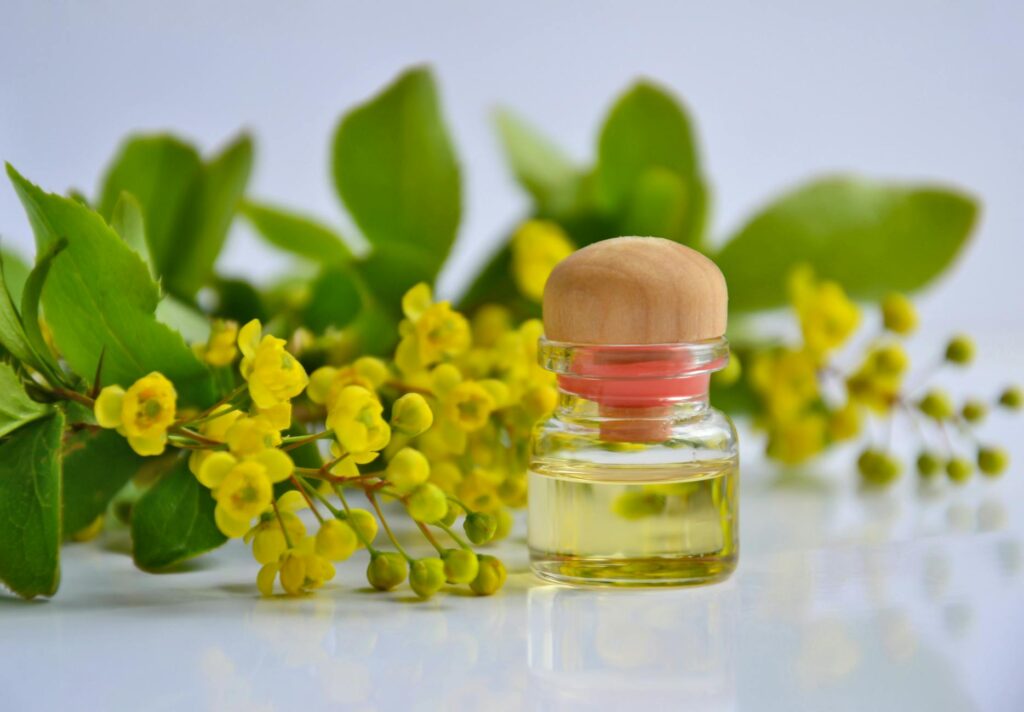
Complete Guide to Aromatherapy Blends for Skin Aging
Introduction
The quest for youthful, radiant skin is timeless and universal. As individuals age, the skin undergoes various changes, including decreased elasticity, increased dryness, and the appearance of fine lines and wrinkles. Aromatherapy, a holistic practice that utilizes essential oils for therapeutic benefits, has gained popularity as a natural approach to support skin health. This guide delves into aromatherapy blends specifically formulated to address skin aging, providing insights into their benefits, applications, and safety considerations.
What Is Aromatherapy Blends for Skin Aging?
Aromatherapy blends for skin aging are combinations of essential oils formulated to improve the appearance and health of aging skin. These blends typically target common skin concerns such as dryness, loss of firmness, and uneven tone. Essential oils are extracted from various plant parts, including leaves, flowers, bark, and roots, and are known for their potent properties and fragrances. When combined thoughtfully, these oils can enhance each other’s effects, offering a holistic approach to skincare.
Key Benefits and Properties
Aromatherapy blends for skin aging can provide several benefits, including:
1. Hydration
Many essential oils possess moisturizing qualities that help combat dryness. Oils like frankincense and rose can enhance skin hydration and restore a youthful glow.
2. Elasticity and Firmness
Certain oils, such as geranium and myrrh, are believed to promote skin elasticity and firmness, contributing to a more toned appearance.
3. Anti-Inflammatory Effects
Essential oils like chamomile and lavender have anti-inflammatory properties that can soothe irritated skin and reduce redness, promoting an even complexion.
4. Antioxidant Protection
Oils such as carrot seed and pomegranate are rich in antioxidants, which help protect the skin from oxidative stress caused by environmental factors.
5. Regeneration
Some essential oils encourage cell regeneration, aiding in the repair of damaged skin. Neroli and tea tree oils are known for their regenerative properties.
Common Uses
Aromatherapy blends for skin aging can be incorporated into various skincare routines and applications:
1. Facial Oils
Blending essential oils with carrier oils such as jojoba or sweet almond oil creates nourishing facial oils that can be massaged into the skin.
2. Creams and Lotions
Essential oils can be added to creams and lotions, allowing for easy application and enhanced moisturizing effects.
3. Masks
Aromatherapy blends can be mixed into homemade face masks for a revitalizing treatment that targets specific aging concerns.
4. Bath Soaks
Adding essential oils to bath water can provide a therapeutic soak, benefiting both the skin and the senses.
5. Diffusion
While not directly applied to the skin, diffusing essential oils can create a calming environment, potentially reducing stress-related skin issues.
Aromatherapy Applications
To effectively utilize aromatherapy blends for skin aging, consider the following applications:
1. Facial Oil Recipe
- Ingredients: 2 tablespoons jojoba oil, 3 drops frankincense, 3 drops geranium, 2 drops lavender.
- Usage: Mix the oils in a dark glass bottle. Use a few drops daily as part of your skincare routine.
- Ingredients: 2 ounces unscented cream, 5 drops rose oil, 3 drops chamomile oil.
- Usage: Blend the essential oils into the cream. Apply to the face and neck after cleansing.
- Ingredients: 1 tablespoon honey, 1 teaspoon yogurt, 2 drops neroli oil.
- Usage: Mix ingredients and apply to the face for 15-20 minutes before rinsing.
- Ingredients: 5 drops lavender oil, 5 drops geranium oil.
- Usage: Add oils to a warm bath for a relaxing soak.
- Ingredients: 3 drops sandalwood oil, 2 drops orange oil, 2 drops rosemary oil.
- Usage: Use in a diffuser to create an uplifting atmosphere.
2. Moisturizing Cream
3. Rejuvenating Face Mask
4. Bath Soak
5. Diffuser Blend
Safety Considerations
While aromatherapy can be beneficial, it is essential to observe safety precautions:
1. Skin Sensitivity
Always conduct a patch test before applying a new essential oil blend to the skin. Dilute essential oils with a carrier oil to minimize the risk of irritation.
2. Pregnancy and Nursing
Certain essential oils may not be suitable for pregnant or nursing individuals. Consult a qualified professional for guidance.
3. Allergies
Individuals with known allergies to specific plants should avoid essential oils derived from those sources.
4. Sun Sensitivity
Some essential oils can increase sensitivity to sunlight. Oils like bergamot and lemon should be avoided before sun exposure.
5. Quality of Oils
Use high-quality, pure essential oils from reputable brands to ensure safety and effectiveness.
Storage and Shelf Life
Proper storage is crucial for maintaining the potency and longevity of essential oils:
1. Container
Store essential oils in dark glass bottles to protect them from light, which can degrade their quality.
2. Temperature
Keep oils in a cool, dry place away from direct sunlight and heat sources.
3. Shelf Life
Most essential oils have a shelf life ranging from 1 to 5 years, depending on the oil. Regularly check for changes in aroma or consistency, which may indicate degradation.
Frequently Asked Questions
1. Can aromatherapy really help with skin aging?
While aromatherapy blends can support skin health and enhance appearance, results may vary. These blends are best used as part of a comprehensive skincare routine.
2. How often should I use essential oils for aging skin?
Frequency depends on individual skin type and sensitivity. Generally, using a facial oil daily and incorporating other applications a few times a week can be beneficial.
3. Are there any essential oils to avoid for aging skin?
Certain oils may cause irritation or sensitivity. Always perform a patch test and consult with a professional if unsure.
4. Can I mix different essential oils together?
Yes, many essential oils can be blended to create synergistic effects. However, it is essential to research compatibility and potential interactions.
5. Is it necessary to use a carrier oil with essential oils?
Yes, carrier oils dilute the potency of essential oils, making them safer for topical application and helping to moisturize the skin.
Conclusion
Aromatherapy blends for skin aging offer a natural and holistic approach to addressing common concerns associated with aging skin. By understanding the benefits, applications, and safety considerations of these blends, individuals can enhance their skincare routines while embracing the soothing power of essential oils. As with any holistic practice, results may vary, and the journey to maintaining youthful skin is a personal one, enriched by the aromatic treasures nature has to offer.