
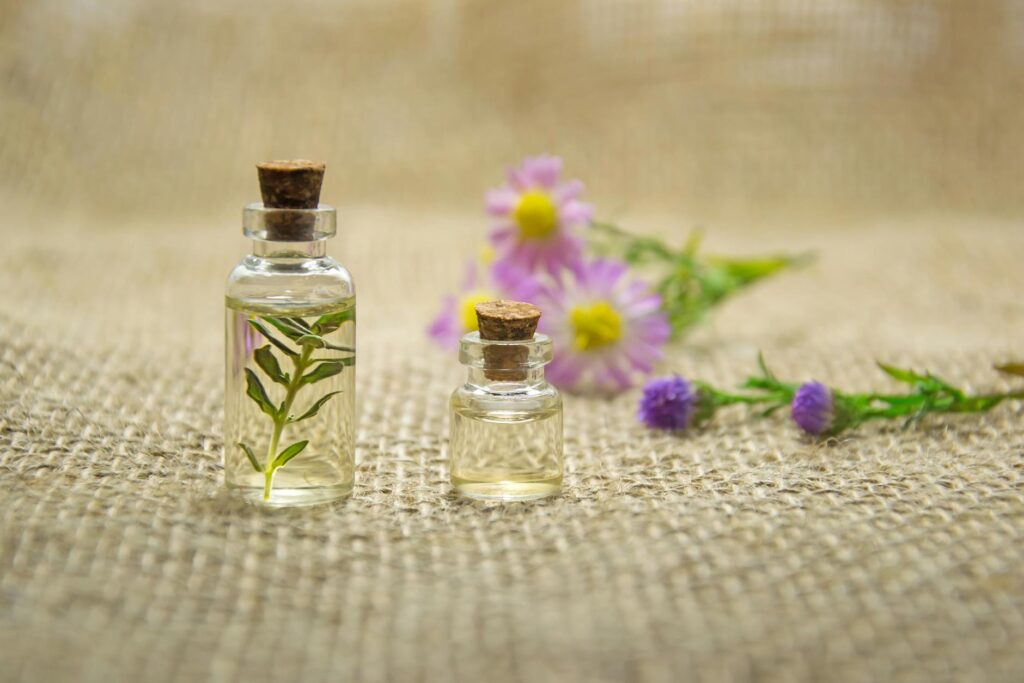
Complete Guide to Aromatherapy Blends for Skin Care Part 5
Introduction
Aromatherapy blends have gained significant attention in recent years, particularly for their applications in skin care. Utilizing the natural therapeutic properties of essential oils, these blends can enhance skin health and promote overall well-being. This article serves as a comprehensive guide to understanding how to effectively use aromatherapy blends for skin care, delving into the benefits, common applications, and safety considerations.
What Is Aromatherapy Blends for Skin Care?
Aromatherapy blends for skin care are combinations of essential oils specifically formulated to nourish, protect, and rejuvenate the skin. Essential oils are concentrated extracts derived from various parts of plants, including leaves, flowers, roots, and bark. When blended, these oils can create synergistic effects, enhancing their individual properties and promoting skin health.
Common essential oils used in skin care blends include lavender, tea tree, rose, and frankincense, each chosen for their unique qualities that cater to different skin types and conditions.
Key Benefits and Properties
The benefits of aromatherapy blends for skin care are numerous and can be categorized based on the properties of the essential oils used. Here are some key benefits:
1. Moisturizing and Hydrating
Many essential oils, such as jojoba and geranium, are known for their moisturizing properties. They help to lock in moisture, keeping the skin hydrated and preventing dryness.
2. Anti-inflammatory
Essential oils like chamomile and lavender can reduce inflammation and soothe irritated skin. These properties make them ideal for those with sensitive or acne-prone skin.
3. Antioxidant Protection
Certain oils, such as rosehip and pomegranate seed, are rich in antioxidants that protect the skin from free radical damage, potentially delaying signs of aging.
4. Antibacterial and Antimicrobial
Tea tree and eucalyptus oils possess antibacterial and antimicrobial properties, making them beneficial for acne treatment and keeping the skin free from harmful bacteria.
5. Skin Regeneration
Essential oils like frankincense and myrrh are known to promote skin regeneration and healing, making them useful in fading scars and blemishes.
Common Uses
Aromatherapy blends can be used in various ways to enhance skin care routines. Here are some common applications:
1. Facial Serums
Blending essential oils with carrier oils (like jojoba or almond oil) creates nourishing facial serums that can be used to hydrate and rejuvenate the skin.
2. Moisturizers
Essential oils can be added to creams or lotions to enhance their moisturizing qualities and provide additional benefits tailored to specific skin concerns.
3. Cleansers
Incorporating essential oils into facial cleansers can improve their effectiveness, particularly with oils that have antibacterial properties.
4. Masks
Aromatherapy blends can be used in DIY face masks, combining essential oils with ingredients like clay or honey for added benefits.
5. Baths
Adding essential oils to bath water can provide a soothing experience while simultaneously benefiting the skin.
Aromatherapy Applications
1. Dilution and Carrier Oils
Essential oils should always be diluted before applying directly to the skin. Carrier oils, such as coconut, olive, or sweet almond oil, serve as a base for dilution and help deliver the essential oils effectively to the skin.
2. Patch Testing
Before applying a new blend, it is advisable to perform a patch test on a small area of skin to check for any adverse reactions. This is particularly important for those with sensitive skin or allergies.
3. Diffusion
While not a direct application to the skin, diffusing essential oils can create a calming atmosphere that enhances overall well-being, indirectly benefiting skin health by reducing stress.
4. Inhalation
Inhaling the aroma of essential oils can also provide benefits, as some oils have properties that can affect the skin’s condition by promoting relaxation and reducing stress levels.
Safety Considerations
While aromatherapy can offer many benefits, safety is paramount. Here are some important considerations:
1. Quality of Essential Oils
Always choose high-quality, pure essential oils from reputable sources to ensure safety and efficacy. Synthetic oils may not provide the same benefits and can cause adverse reactions.
2. Skin Sensitivity
Some essential oils are known to be more irritating than others. Oils like cinnamon and citrus oils can cause photosensitivity, making the skin more susceptible to sunburn.
3. Pregnancy and Nursing
Certain essential oils are not recommended during pregnancy or nursing. Always consult with a healthcare professional before using essential oils in these conditions.
4. Children
Many essential oils are not suitable for young children. Always check guidelines specific to age when considering essential oils for children.
Storage and Shelf Life
Proper storage is crucial for maintaining the efficacy of essential oils and aromatherapy blends. Here are some storage tips:
1. Dark Glass Containers
Store essential oils in dark glass bottles to protect them from light, which can degrade their quality.
2. Cool, Dry Place
Keep oils away from direct sunlight and heat. A cool, dry place, such as a cabinet or drawer, is ideal.
3. Shelf Life
The shelf life of essential oils varies based on the type and storage conditions. Generally, most essential oils last 1 to 3 years, while blends incorporating carrier oils may last shorter (6 months to 1 year) depending on the carrier oil used.
Frequently Asked Questions
1. Can I use essential oils directly on my skin?
No, essential oils should always be diluted with a carrier oil before applying them to the skin to avoid irritation.
2. Which essential oils are best for oily skin?
Essential oils like tea tree, lavender, and rosemary can be beneficial for oily skin types due to their balancing and antibacterial properties.
3. How can I incorporate aromatherapy into my daily skin care routine?
You can add a few drops of essential oils to your moisturizer, use them in facial serums, or include them in DIY masks or cleansers.
4. Are there any essential oils I should avoid?
Yes, certain oils like cinnamon and clove can be irritating to the skin. Always do thorough research or consult a professional before use.
5. How can I make my own aromatherapy skin care blend?
Start with a carrier oil, then add a few drops of your chosen essential oils based on their properties. A common ratio is 3-5% essential oil to carrier oil.
Conclusion
Aromatherapy blends for skin care offer a natural way to enhance skin health while providing a sensory experience that can elevate your overall well-being. By understanding the properties of various essential oils and their applications, individuals can create personalized skin care regimens that cater to their specific needs. Always remember to prioritize safety and quality when selecting and using essential oils to ensure that you reap their full benefits effectively.