
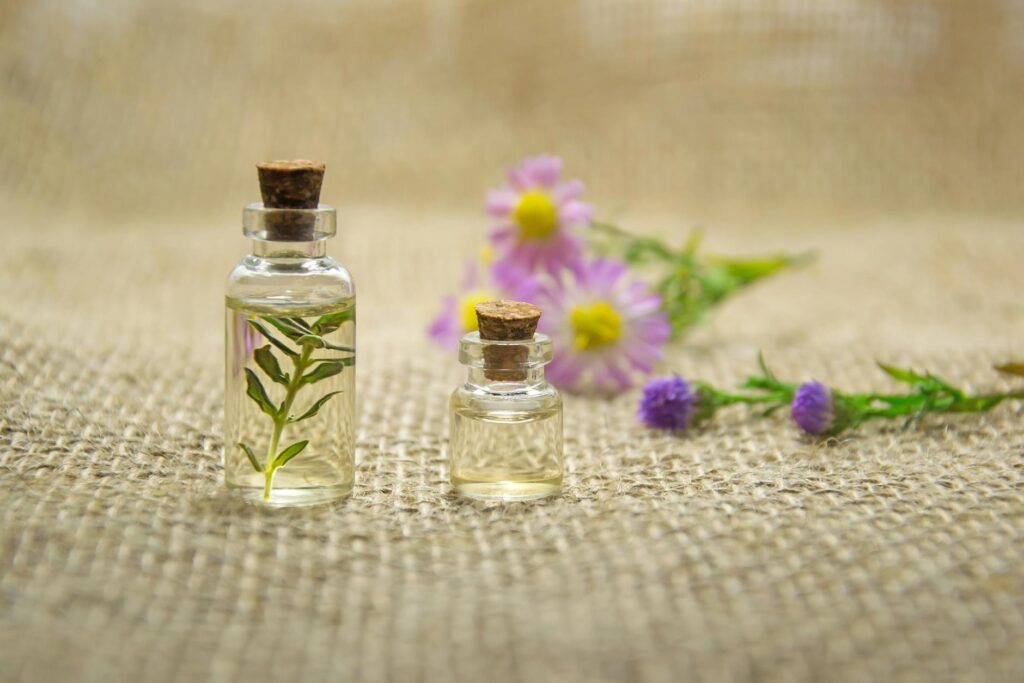
Complete Guide to Aromatherapy Blends for Skin Care Part 7
Introduction
Aromatherapy has gained widespread popularity in recent years as a holistic approach to wellness, particularly in skin care. By harnessing the power of essential oils, individuals can create custom blends that not only nourish the skin but also provide sensory delight. This article serves as a comprehensive guide to understanding aromatherapy blends specifically designed for skin care, exploring their benefits, applications, and safety considerations.
What Is Aromatherapy Blends for Skin Care?
Aromatherapy blends for skin care combine essential oils with carrier oils or other mediums to create formulations that enhance skin health and appearance. Essential oils are concentrated extracts obtained from various parts of plants—including leaves, flowers, stems, and roots—each possessing unique therapeutic properties. When blended thoughtfully, these oils can address various skin concerns such as dryness, aging, acne, and sensitivity.
Key Components of Aromatherapy Blends
1. Essential Oils: These are the heart of any aromatherapy blend. Commonly used essential oils for skin care include lavender, tea tree, frankincense, and rose.
2. Carrier Oils: These are used to dilute essential oils, making them safe for topical application. Popular carrier oils include jojoba, sweet almond, and coconut oil.
3. Other Additives: Ingredients such as aloe vera, shea butter, or botanical extracts may also be included to enhance the blend’s properties.
Key Benefits and Properties
Aromatherapy blends for skin care offer a range of benefits, primarily derived from the properties of the essential oils used:
1. Moisturizing: Many essential oils, when diluted in carrier oils, can provide hydration, helping to maintain the skin’s moisture barrier.
2. Anti-inflammatory: Certain oils possess anti-inflammatory properties that can soothe irritated skin, reducing redness and swelling.
3. Antimicrobial: Some essential oils are known for their ability to combat bacteria and fungi, making them effective for conditions like acne.
4. Anti-aging: Oils such as frankincense and rose are often included in blends aimed at reducing the appearance of fine lines and promoting skin elasticity.
5. Soothing: Many oils, particularly lavender, are known for their calming effects, which can help alleviate stress-related skin issues.
Common Uses
Aromatherapy blends can be tailored for various skin concerns and applications. Here are some common uses:
1. Moisturizers: Blending essential oils with a carrier oil can create a nourishing moisturizer tailored to individual skin types.
2. Cleansers: Certain blends can serve as natural cleansers, helping to remove impurities without stripping the skin.
3. Tonics: Aromatherapy toners can help balance the skin’s pH and prepare it for subsequent products.
4. Treatments: Targeted blends can be created for specific concerns such as acne, eczema, or hyperpigmentation.
5. Masks: Combining essential oils with clay or other natural ingredients can produce rejuvenating masks.
Aromatherapy Applications
There are various methods to apply aromatherapy blends for skin care:
1. Topical Application
- Dilution: Essential oils should always be diluted in a carrier oil before applying to the skin. A common dilution ratio is 3-5% for facial applications and 1-2% for sensitive skin.
- Massage: Massaging the blend into the skin can enhance absorption and improve circulation.
2. Bath Soaks
Adding a few drops of a skin-friendly essential oil blend to a warm bath can provide an immersive aromatherapy experience while benefiting the skin.
3. Facial Steams
Inhaling the aromatic vapors from a steam infused with essential oils can improve skin health and provide a relaxing experience.
4. Compresses
Soaking a cloth in diluted essential oil blends and applying it to the skin can help soothe inflammation and irritation.
Safety Considerations
While aromatherapy blends can be beneficial, it is essential to approach their use with caution:
1. Patch Test: Always perform a patch test by applying a small amount of the diluted blend to a discrete area of skin to check for any adverse reactions.
2. Sensitive Skin: Individuals with sensitive skin should choose gentle oils and use lower concentrations.
3. Contraindications: Certain essential oils may not be suitable for pregnant or nursing women, children, or individuals with specific health conditions. Always consult authoritative sources regarding the use of specific oils.
4. Avoiding Eyes and Mucous Membranes: Essential oils should never be applied near the eyes or on mucous membranes.
Storage and Shelf Life
Proper storage is crucial to maintain the integrity of essential oils and aromatherapy blends:
1. Containers: Use dark glass bottles to protect the oils from light, which can degrade their quality.
2. Temperature: Store blends in a cool, dark place away from direct sunlight and heat sources.
3. Shelf Life: The shelf life of essential oils varies. Generally, citrus oils have a shorter shelf life (around 1-2 years) compared to others like patchouli or sandalwood (which can last for 5 years or more). Blends should ideally be used within 6-12 months for optimal effectiveness.
Frequently Asked Questions
1. Can I use essential oils directly on my skin?
No, essential oils should always be diluted in a carrier oil before topical application to prevent skin irritation.
2. How do I choose the right essential oils for my skin type?
Consider your specific skin concerns and choose oils that target those issues. For example, tea tree oil is beneficial for oily skin, while lavender is soothing for sensitive skin.
3. How often can I use aromatherapy blends on my skin?
Frequency can vary depending on the specific blend and individual skin sensitivity. Generally, daily use is acceptable, but it’s crucial to monitor for any signs of irritation.
4. Are there any essential oils to avoid during pregnancy?
Yes, certain essential oils such as sage, rosemary, and clary sage should be avoided during pregnancy. Always consult a qualified practitioner for personalized advice.
5. Can children use aromatherapy blends?
Children can benefit from aromatherapy; however, it is essential to use oils that are safe for their age and to dilute them further than for adults. Consultation with a pediatrician or a qualified aromatherapist is recommended.
Conclusion
Aromatherapy blends for skin care provide a holistic approach to nurturing the skin while offering additional sensory benefits. By understanding the properties of various essential oils, their applications, and safety considerations, individuals can create customized blends that suit their unique skin care needs. As with any natural remedy, it is essential to approach the use of essential oils with knowledge and respect to ensure a safe and rewarding experience.