
Complete Guide to Aromatherapy Blends for Skin Hydration
Introduction
Aromatherapy, the practice of using essential oils to promote physical and emotional well-being, has gained significant popularity in recent years. Among its various applications, one area of interest is skin hydration. This guide delves into aromatherapy blends specifically designed to enhance skin moisture, offering insights into their benefits, applications, and safety considerations.
What Are Aromatherapy Blends for Skin Hydration?
Aromatherapy blends for skin hydration are combinations of essential oils formulated to nourish and moisturize the skin. These blends often include carrier oils—vegetable oils that dilute essential oils—along with hydrating botanicals. The synergy between essential oils and carrier oils creates a holistic approach to skincare, promoting not only hydration but also overall skin health.
Key Benefits and Properties
1. Moisturization
Essential oils such as sandalwood, geranium, and lavender are known for their moisturizing properties. They can assist in maintaining the skin’s natural moisture barrier, preventing dryness and flakiness.
2. Anti-inflammatory Effects
Many essential oils have anti-inflammatory properties. For instance, chamomile and tea tree oil can help reduce skin irritation and redness, making them suitable for sensitive or inflamed skin.
3. Antioxidant Protection
Certain essential oils, such as frankincense and rose, contain antioxidants that can protect the skin from environmental stressors, including pollution and UV radiation. This protection helps to maintain youthful skin.
4. Enhanced Circulation
Aromatherapy blends can stimulate blood circulation, which can improve the delivery of essential nutrients to skin cells. Oils like rosemary and peppermint are particularly known for their stimulating properties.
5. Emotional Well-Being
The aromatic qualities of essential oils can have a profound effect on mood and emotional health. Scents like citrus, lavender, and ylang-ylang can promote relaxation and reduce stress, contributing positively to skin condition.
Common Uses
1. Daily Moisturizers
Aromatherapy blends can serve as natural moisturizers for daily use. Combining hydrating carrier oils like jojoba or sweet almond with essential oils can create an effective skincare routine.
2. Massage Oils
Blends used for massage can enhance relaxation while simultaneously providing hydration to the skin. The act of massage itself promotes circulation, while the oils work to nourish the skin.
3. Bath Soaks
Adding aromatherapy blends to bathwater can create a luxurious experience that hydrates the skin. The warmth of the water helps open pores, allowing the oils to penetrate more effectively.
4. Facial Serums
Specific blends can be tailored for facial application, targeting areas requiring extra hydration. These blends can be designed to suit various skin types, from oily to dry.
5. Hair and Scalp Treatments
Certain blends can also be applied to the scalp and hair, promoting moisture and health. Ingredients like argan oil or coconut oil mixed with essential oils can help combat dryness and flakiness.
Aromatherapy Applications
1. Dilution and Application
When creating aromatherapy blends, it is crucial to dilute essential oils with a carrier oil to ensure safe application on the skin. A common ratio is 2-3% essential oil to carrier oil, which typically translates to about 12-18 drops of essential oil per ounce of carrier oil.
2. Inhalation
Inhalation is another method of using essential oils for skin hydration. While this method does not apply oils directly to the skin, the psychological benefits of inhaling pleasant scents can indirectly promote skin health by reducing stress.
3. Diffusion
Using a diffuser to disperse essential oils into the air can create a soothing environment. Though not directly applied to the skin, this method can enhance overall well-being, potentially benefiting skin health.
4. Compresses
For targeted hydration, a warm or cold compress infused with essential oils can be applied to specific areas of the skin. This method is particularly effective for inflamed or irritated skin.
Safety Considerations
1. Skin Sensitivity
Before using any essential oil, it is advisable to perform a patch test to check for potential allergic reactions. Apply a small amount of diluted oil to a discreet area of the skin and wait 24 hours to observe any adverse reactions.
2. Pregnancy and Nursing
Certain essential oils may not be safe for pregnant or nursing women. It is important to consult a healthcare professional before using any essential oils during these periods.
3. Photosensitivity
Some essential oils, particularly citrus oils like bergamot and lemon, can increase sensitivity to sunlight. It is advisable to avoid sun exposure after applying these oils to the skin.
4. Quality of Essential Oils
The quality of essential oils can vary significantly. It is advisable to source oils from reputable suppliers who provide information about purity and sourcing.
Storage and Shelf Life
1. Storage
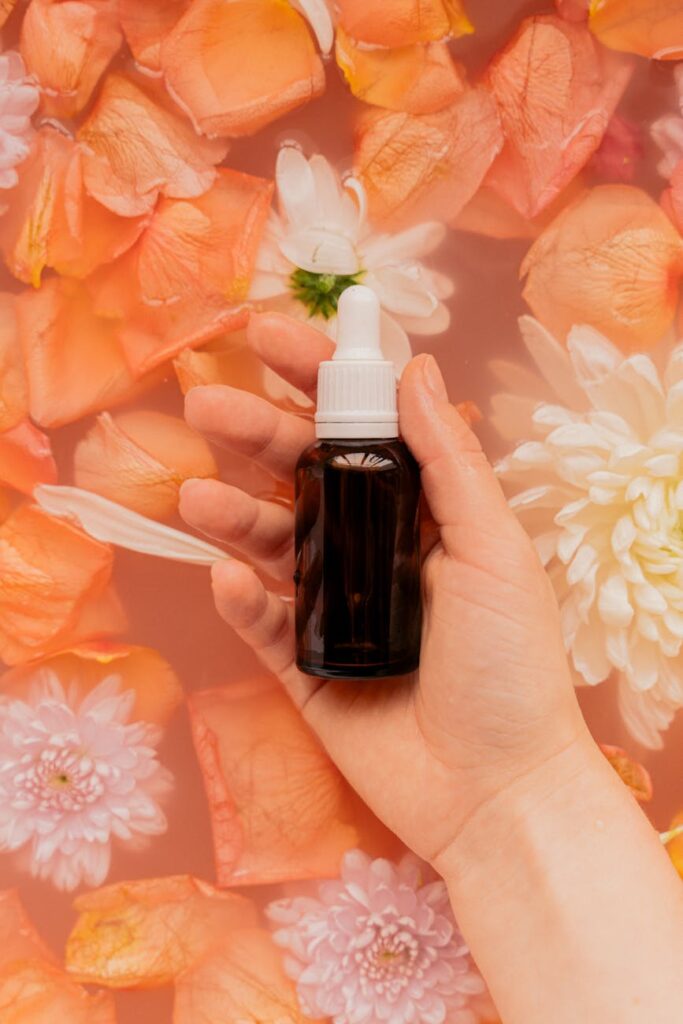
Essential oils should be stored in a cool, dark place, away from direct sunlight and heat sources. Amber or cobalt glass bottles are ideal for preserving the integrity of the oils.
2. Shelf Life
The shelf life of essential oils varies depending on the type. Generally, oils can last anywhere from 1 to 10 years. Citrus oils tend to have a shorter shelf life, while oils like sandalwood and patchouli can last longer.
Frequently Asked Questions
1. Can I create my own aromatherapy blends for skin hydration?
Yes, creating your own blends can be a rewarding experience. It allows you to tailor the oils to your specific skin needs and preferences. Just ensure you follow proper dilution guidelines.
2. How often should I use aromatherapy blends for skin hydration?
This depends on individual skin type and needs. Generally, applying a hydrating blend once or twice daily can be beneficial for maintaining moisture.
3. Are there any essential oils I should avoid for skin hydration?
Certain oils can be too harsh for the skin, including clove and oregano oil. Always conduct thorough research or consult an expert before using new oils.
4. Can aromatherapy blends replace traditional skincare products?
While aromatherapy blends can enhance skin hydration, they should complement a well-rounded skincare routine. They may not be a complete substitute for other products, particularly those formulated for specific skin concerns.
5. How can I incorporate aromatherapy into my skincare routine?
Incorporating aromatherapy can be as simple as adding a few drops of essential oil to your existing moisturizer or creating a dedicated blend. Exploring various application methods, such as massages or baths, can also provide enjoyable experiences.
Conclusion
Aromatherapy blends for skin hydration represent a natural, holistic approach to skincare. With a variety of essential oils offering unique benefits, these blends can contribute to healthier, more hydrated skin. By understanding their properties, applications, and safety considerations, individuals can effectively incorporate aromatherapy into their skincare routines, enhancing both their physical and emotional well-being.