
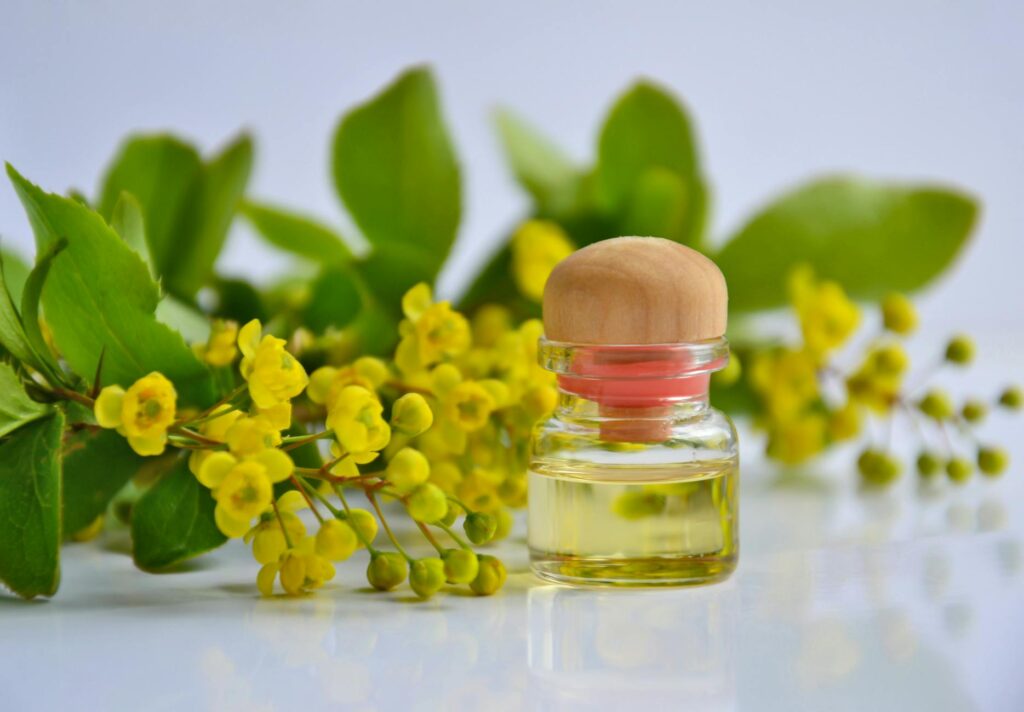
Complete Guide to Aromatherapy Blends for Skin Nourishment
Introduction
Aromatherapy has emerged as a popular holistic practice, utilizing the natural properties of essential oils to promote well-being and enhance beauty. Among its various applications, aromatherapy blends specifically crafted for skin nourishment are gaining prominence. This guide provides a comprehensive overview of these blends, exploring their benefits, applications, and safety considerations.
What Is Aromatherapy Blends for Skin Nourishment?
Aromatherapy blends for skin nourishment are mixtures of essential oils designed to enhance skin health, improve texture, and address specific skin concerns. These blends harness the therapeutic properties of various essential oils, each known for its unique benefits. By combining oils, practitioners can create synergistic effects that enhance the overall efficacy of the blend.
Essential oils are extracted from various parts of plants, including leaves, flowers, bark, and roots. When diluted appropriately and applied to the skin, these oils can provide a range of benefits, from hydration to rejuvenation.
Key Benefits and Properties
The benefits of aromatherapy blends for skin nourishment are both diverse and profound. Below are some of the key properties associated with popular essential oils used in these blends:
1. Moisturizing: Oils like lavender and rose can help to hydrate and soften the skin, making them ideal for dry or sensitive skin types.
2. Anti-Aging: Essential oils such as frankincense and myrrh are known for their rejuvenating properties, helping to reduce the appearance of fine lines and wrinkles.
3. Anti-Inflammatory: Oils like tea tree and chamomile possess anti-inflammatory properties that can soothe irritated skin and reduce redness.
4. Antiseptic: Essential oils such as eucalyptus and geranium can help to cleanse the skin and prevent infections, making them suitable for acne-prone skin.
5. Balancing: Oils like neroli and ylang-ylang can help balance oil production in the skin, making them beneficial for both oily and dry skin types.
6. Healing: Essential oils such as helichrysum and carrot seed are known for their skin-healing properties, promoting the regeneration of skin cells.
Common Uses
Aromatherapy blends for skin nourishment can be utilized in various ways, depending on the desired outcome. Common uses include:
- Facial Oils: Blends can be incorporated into carrier oils to create nourishing facial oils that hydrate and rejuvenate the skin.
- Body Moisturizers: Essential oil blends can enhance body lotions or creams, providing additional nourishment and fragrance.
- Bath Oils: Adding essential oil blends to bath water can create a relaxing spa-like experience while benefiting the skin.
- Massage Oils: Blends can be used in massage therapy to promote relaxation and improve skin condition.
- Face Masks: Incorporating essential oils into homemade face masks can enhance the skin-nourishing properties of the ingredients.
- Jojoba Oil: Mimics the skin’s natural sebum, making it suitable for all skin types.
- Sweet Almond Oil: Rich in vitamins, it nourishes and softens the skin.
- Coconut Oil: Known for its moisturizing properties, it also has antibacterial benefits.
- Patch Test: Always conduct a patch test before applying a new blend to the skin. Apply a small amount to a discreet area and wait 24 hours to check for any adverse reactions.
- Dilution: Essential oils are highly concentrated and should be diluted in a carrier oil before application. A general guideline is to use 1-2 drops of essential oil per teaspoon of carrier oil.
- Avoid Sensitive Areas: Keep essential oils away from sensitive areas such as the eyes and mucous membranes.
- Consultation: If you have specific skin concerns or conditions, consult with a qualified professional or aromatherapist before using essential oils.
- Pregnancy and Nursing: Some essential oils are not recommended during pregnancy or while nursing. Always consult a healthcare professional before use.
- Cool, Dark Place: Store essential oils in a cool, dark place away from direct sunlight to prevent degradation.
- Tightly Sealed Containers: Use dark glass bottles with tight seals to minimize exposure to air and light.
- Expiration: While essential oils do not spoil like food, their potency can diminish over time. Most oils have a shelf life of 1-3 years, depending on the type.
Aromatherapy Applications
When applying aromatherapy blends for skin nourishment, various methods can be employed. Here are some popular applications:
1. Dilution and Topical Application
Essential oils should always be diluted in a carrier oil before topical application to avoid skin irritation. Common carrier oils include:
2. Diffusion
While not directly applied to the skin, diffusing essential oils can enhance mood and create a calming environment, indirectly benefiting skin health by reducing stress levels, which can impact skin condition.
3. Inhalation
Inhaling essential oils can help to elevate mood and promote relaxation. This can be beneficial for overall skin health, as stress can trigger skin issues.
4. Bathing
Adding a few drops of essential oil blends to bathwater can provide both relaxation and skin nourishment. Ensure to mix the essential oils with a carrier before adding them to the bath to prevent skin irritation.
Safety Considerations
While aromatherapy blends can offer numerous benefits, it is essential to follow safety guidelines to ensure a positive experience:
Storage and Shelf Life
Proper storage of essential oils is crucial for maintaining their potency and effectiveness. Here are some tips:
Frequently Asked Questions
Q1: Can I use essential oils directly on my skin?
No, essential oils should always be diluted with a carrier oil before topical application to avoid irritation.
Q2: Which essential oils are best for dry skin?
Oils like lavender, rose, and geranium are excellent choices for dry skin due to their moisturizing properties.
Q3: How do I choose the right essential oil blend for my skin type?
Consider your skin type and concerns. For example, oily skin may benefit from tea tree and lavender, while dry skin may prefer oils like rose and jojoba.
Q4: Are there any essential oils I should avoid?
Yes, certain oils may be irritating or unsuitable for sensitive skin. Always research oils before use and conduct a patch test.
Q5: How often can I use aromatherapy blends for skin nourishment?
You can use these blends daily, but it’s best to start slowly and observe how your skin responds. Adjust frequency based on your skin’s needs.
Conclusion
Aromatherapy blends for skin nourishment offer a holistic approach to enhancing skin health through the use of natural essential oils. By understanding their properties, benefits, and safe applications, individuals can effectively incorporate these blends into their daily skincare routines. As with any holistic practice, listening to your body and consulting professionals when needed will ensure a safe and rewarding experience.