
Complete Guide to Aromatherapy Blends for Sleep Disorders Part 3
Introduction
Aromatherapy has gained immense popularity over the years as a holistic approach to enhancing well-being, particularly concerning sleep disorders. This article is the third installment of our comprehensive guide, focusing on the intricacies of aromatherapy blends specifically designed to promote restful sleep. From understanding the properties of various essential oils to their applications and safety considerations, this guide aims to equip you with knowledge to enhance your sleep quality through aromatherapy.
What Is Aromatherapy Blends for Sleep Disorders?
Aromatherapy is the practice of utilizing essential oils extracted from plants to promote physical and psychological well-being. Aromatherapy blends for sleep disorders consist of carefully selected essential oils combined to create synergistic effects that can help alleviate issues such as insomnia, restless sleep, and anxiety.
The effectiveness of these blends often relies on the individual properties of the oils used, such as their sedative, calming, or relaxing qualities. By understanding how different essential oils interact, one can create blends that are tailored to individual needs, potentially enhancing the quality and duration of sleep.
Key Benefits and Properties
Aromatherapy blends for sleep disorders offer several key benefits, which can be attributed to the specific properties of the essential oils involved. Some of the primary benefits include:
1. Stress Reduction
Essential oils like lavender and chamomile are well-known for their calming effects, helping to reduce stress and anxiety that often contribute to sleep disorders.
2. Improved Sleep Quality
Blends that include sedative oils may promote deeper and more restorative sleep. Oils such as valerian root and ylang-ylang are often recommended for their ability to enhance sleep quality.
3. Regulation of Sleep Patterns
Certain essential oils can aid in the regulation of circadian rhythms, making it easier for individuals to fall asleep and wake up at appropriate times. Oils like bergamot and sandalwood can be particularly effective.
4. Creation of a Relaxing Environment
Aromatherapy blends can transform a sleeping space into a tranquil sanctuary, creating an atmosphere conducive to relaxation and sleep. The sensory experience of pleasant aromas can have a profound psychological impact, encouraging a restful mindset.
Common Uses
Aromatherapy blends for sleep disorders can be employed in various ways to maximize their benefits. Common uses include:
1. Diffusion
Using an essential oil diffuser to disperse the aroma of the blend throughout a room can create a calming atmosphere. This method is particularly effective when preparing for sleep.
2. Topical Application
Diluting essential oils in a carrier oil and applying them to pulse points (such as wrists, neck, or behind the ears) can enhance their calming effects. However, it is crucial to perform a patch test before applying any oil directly to the skin.
3. Bath Soaks
Adding a few drops of a sleep-promoting blend to a warm bath can provide a relaxing pre-sleep ritual, allowing the individual to unwind before bedtime.
4. Pillow Sprays
Creating a pillow spray by mixing essential oils with water in a spray bottle can allow for direct inhalation of the calming aromas while lying in bed.
Aromatherapy Applications
Creating Your Own Sleep Blend
When formulating your own aromatherapy blends for sleep disorders, consider the following steps:
1. Choose Base Oils: Start with a base oil known for its calming properties. Popular options include lavender, chamomile, and cedarwood.
2. Add Complementary Oils: Select additional oils that enhance the effects of your base. For instance, adding bergamot can provide a soothing citrus note that helps reduce anxiety.
3. Test Ratios: Experiment with different ratios of oils to find the blend that works best for you. A common starting point is to mix three drops of the base oil with one drop each of the complementary oils.
4. Dilution: If using the blend for topical application, dilute it in a carrier oil, such as sweet almond or jojoba oil, at a ratio of 1-2% (approximately 5-10 drops of essential oil per ounce of carrier oil).
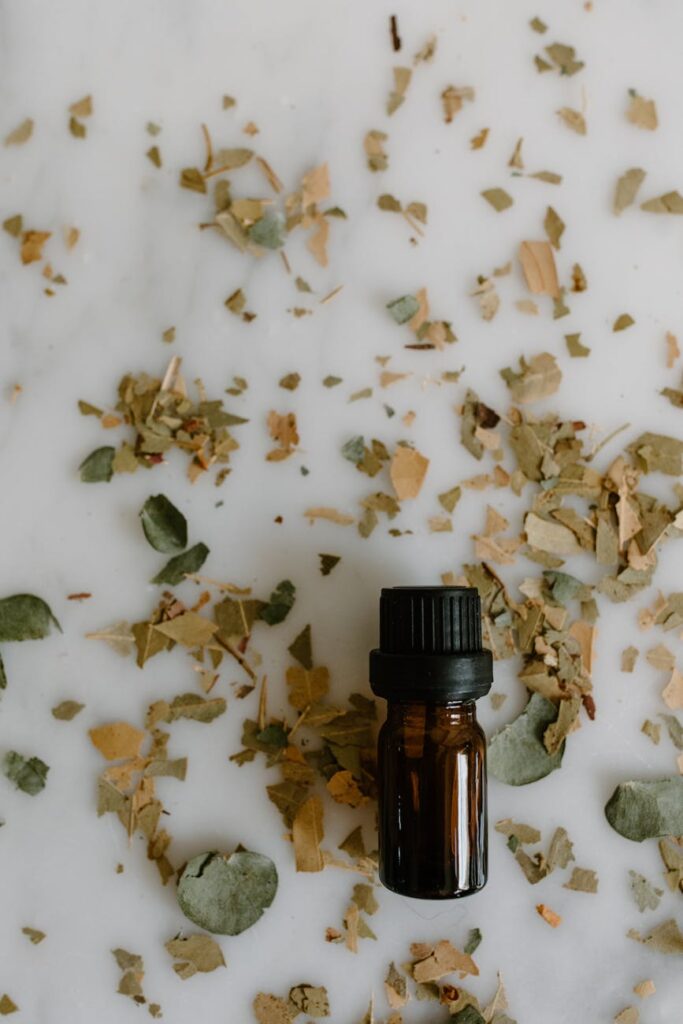
5. Label and Store: Store your blend in a dark glass bottle to preserve its potency. Label the bottle with the ingredients and date of preparation.
Popular Essential Oils for Sleep Blends
Here are some essential oils frequently used in sleep blends:
- Lavender: Renowned for its soothing and relaxing properties, lavender is a staple in sleep-related blends.
- Bergamot: This citrus oil is known to reduce anxiety and promote relaxation, making it a valuable addition to sleep blends.
- Sandalwood: Often used for its grounding effects, sandalwood can help create a calming environment.
- Chamomile: Known for its mild sedative effects, chamomile can enhance relaxation and promote sleep.
- Ylang-Ylang: With its sweet floral aroma, ylang-ylang can help reduce anxiety and improve mood, aiding in sleep.
Safety Considerations
While aromatherapy is generally considered safe, there are important safety considerations to keep in mind, especially when it comes to sleep blends:
1. Dilution
Always dilute essential oils before topical application to prevent skin irritation. Essential oils are highly concentrated substances and should be treated with caution.
2. Allergies and Sensitivities
Conduct a patch test to check for allergic reactions before using any new essential oil. If irritation occurs, discontinue use immediately.
3. Pregnancy and Nursing
Certain essential oils may not be safe during pregnancy or while nursing. It is advisable to consult with a healthcare provider before using any essential oils in these situations.
4. Children and Pets
Some essential oils can be toxic to pets or unsuitable for children. Always research the safety of specific oils before use in households with children or animals.
5. Consultation with Professionals
For individuals with pre-existing health conditions or those taking medication, consulting a qualified aromatherapist or healthcare provider is recommended to ensure safe and effective use of essential oils.
Storage and Shelf Life
Proper storage of essential oils is crucial for maintaining their potency and effectiveness. Here are some guidelines:
1. Use Dark Glass Containers
Store essential oils in dark glass bottles to protect them from light, which can degrade their quality over time.
2. Keep Them Cool
Store oils in a cool, dry place away from direct sunlight and heat sources. High temperatures can alter the chemical composition of the oils, reducing their efficacy.
3. Check Expiry Dates
Essential oils do not have a definitive expiration date, but their potency can diminish over time. Most oils have a shelf life of 1-3 years, while citrus oils may last around 6 months to a year.
4. Labeling
Label your oils with the purchase date and any blending notes. This information can help you track their age and effectiveness over time.
Frequently Asked Questions
1. Can I mix different essential oils for sleep?
Yes, blending essential oils can create a synergistic effect, enhancing their individual properties. Be sure to research and experiment with oils that complement each other.
2. How long does it take for aromatherapy to work?
The effects of aromatherapy can vary from person to person. Some individuals may experience immediate relaxation, while others may require consistent use over time to experience the full benefits.
3. Are there any essential oils I should avoid for sleep?
Certain essential oils, such as those that are stimulating (e.g., peppermint, citrus oils) may not be ideal for promoting sleep. Always research the properties of oils before use.
4. Can I use essential oils in a humidifier?
Using essential oils in a humidifier is generally not recommended, as it can damage the unit. Instead, consider using a diffuser specifically designed for essential oils.
5. How can I incorporate aromatherapy into my bedtime routine?
Incorporating aromatherapy into your bedtime routine can be as simple as diffusing a calming blend, applying diluted oils to pulse points, or taking a relaxing bath with essential oils. Establishing a consistent routine can enhance its effectiveness.
Conclusion
Aromatherapy blends for sleep disorders can offer a natural and holistic approach to enhancing sleep quality and promoting relaxation. By understanding the properties of various essential oils, their applications, and safety considerations, one can create personalized blends tailored to individual needs. This guide aims to empower you with knowledge, allowing you to explore the world of aromatherapy for a more restful and restorative sleep experience.