
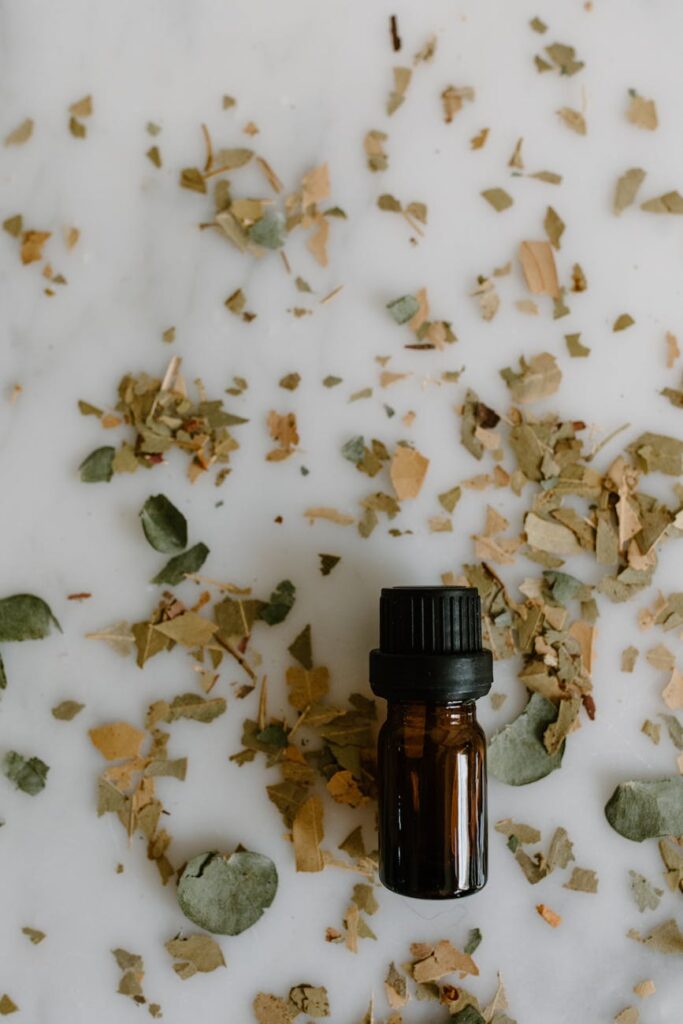
Complete Guide to Aromatherapy Blends for Sleep Disorders Part 4
Introduction
Sleep disorders affect millions of individuals worldwide, leading to a range of physical and psychological challenges. While there are numerous treatments available, many people are turning to natural solutions such as aromatherapy. The use of essential oils to promote relaxation and improve sleep quality has gained popularity due to its holistic approach and minimal side effects. This guide explores the intricacies of aromatherapy blends designed specifically for sleep disorders, detailing their benefits, applications, and considerations.
What Is Aromatherapy Blends for Sleep Disorders?
Aromatherapy blends for sleep disorders refer to mixtures of essential oils specifically formulated to promote relaxation, reduce anxiety, and facilitate a restful night’s sleep. These blends are often derived from aromatic plants and utilize the therapeutic properties of natural compounds found in essential oils. By inhaling the aroma or applying the oils to the skin, individuals may experience a calming effect that aids in achieving better sleep quality.
Common essential oils used in these blends include lavender, chamomile, vetiver, and bergamot. Each oil has unique properties that contribute to relaxation and sleep enhancement. When combined in various ratios, these oils can create synergistic effects, enhancing their individual benefits.
Key Benefits and Properties
Aromatherapy blends for sleep disorders offer a range of benefits, including:
1. Promoting Relaxation
Many essential oils, such as lavender and chamomile, are known for their calming effects. Inhaling these aromas can signal the brain to relax and prepare for sleep.
2. Reducing Anxiety and Stress
Blends containing oils like bergamot and frankincense can help alleviate feelings of anxiety and stress, which are often barriers to restful sleep. These oils can help quiet the mind and create a peaceful environment conducive to sleep.
3. Enhancing Sleep Quality
Certain essential oils may improve the overall quality of sleep by promoting deeper sleep cycles. Oils like cedarwood and vetiver are believed to enhance sleep duration and depth.
4. Creating a Sleep-Inducing Atmosphere
Using aromatherapy blends can transform the bedroom environment into a serene sanctuary. The scent of calming essential oils can create associations with relaxation and sleep, making it easier to unwind.
Common Uses
Aromatherapy blends for sleep disorders can be utilized in various ways. Here are some of the most common applications:
1. Diffusion
Using an essential oil diffuser is one of the most popular methods. By dispersing the blend into the air, individuals can create a calming atmosphere in their sleeping space.
2. Topical Application
Blends can be diluted with a carrier oil and applied to pulse points such as wrists, neck, or temples. This method allows for a more direct absorption of the oils into the skin.
3. Bath Soaks
Adding a few drops of an aromatherapy blend to a warm bath can enhance relaxation. The combination of heat and scent provides a soothing experience that prepares the body for sleep.
4. Pillow Sprays
Creating a pillow spray with essential oils can help promote a restful night. A light mist on the pillow can help individuals breathe in calming aromas as they fall asleep.
5. Sleep Masks
Incorporating essential oils into sleep masks can provide a gentle fragrance while blocking out light, creating an ideal sleep environment.
Aromatherapy Applications
1. Essential Oil Blends for Sleep
Here are a few effective blends that can be created for sleep disorders:
- Calming Night Blend: Combine 4 drops of lavender, 2 drops of chamomile, and 2 drops of cedarwood. This blend promotes relaxation and helps reduce anxiety.
- Restful Sleep Blend: Mix 3 drops of bergamot, 3 drops of sandalwood, and 2 drops of vetiver. This combination aids in achieving deeper sleep cycles.
- Serenity Blend: Combine equal parts of sweet orange, ylang-ylang, and frankincense. This blend is uplifting yet calming, perfect for those who struggle with racing thoughts.
- Dilution: Essential oils should always be diluted with a carrier oil before topical application to avoid skin irritation.
- Allergies: Conduct a patch test before applying any essential oil blend to the skin. If any reaction occurs, discontinue use.
- Pregnancy and Nursing: Certain essential oils may not be safe during pregnancy or while nursing. It is advisable to consult with a qualified professional before use.
- Medical Conditions: Individuals with specific medical conditions should exercise caution and seek advice from a healthcare provider before using essential oils.
- Dark Glass Containers: Store essential oils in dark glass bottles to protect them from light, which can degrade the oils over time.
- Cool, Dry Place: Keep oils in a cool, dry location, away from heat sources and direct sunlight.
- Shelf Life: The shelf life of essential oils varies, typically ranging from 1 to 5 years. Citrus oils tend to have a shorter shelf life, while oils like patchouli can last much longer. Regularly check for changes in aroma or consistency.
2. Inhalation Techniques
Inhaling essential oils directly from the bottle or using a personal inhaler can provide immediate benefits. To use this method, place a few drops of the desired blend onto a cotton ball or use an inhaler stick designed for essential oils.
3. Massage
Incorporating aromatherapy into massage can enhance relaxation. Dilute a sleep blend in a carrier oil such as jojoba or sweet almond oil and perform a gentle massage, focusing on the back, neck, and shoulders.
Safety Considerations
While aromatherapy is generally regarded as safe, there are some important safety considerations to keep in mind:
Storage and Shelf Life
Proper storage is essential to maintain the integrity and potency of essential oils. Here are some tips:
Frequently Asked Questions
1. Can aromatherapy completely cure sleep disorders?
Aromatherapy can be a supportive tool for managing sleep disorders, but it should not be considered a standalone cure. It is most effective when used in conjunction with other healthy sleep practices.
2. How often should I use aromatherapy blends for sleep?
You can use aromatherapy blends as often as needed to promote relaxation and improve sleep. Many individuals find nightly use to be beneficial.
3. Are there any essential oils I should avoid for sleep?
Some stimulating oils, such as peppermint or eucalyptus, may not be ideal for sleep as they can create a more energizing atmosphere. It is best to focus on calming and sedative oils.
4. Can children use aromatherapy for sleep?
Aromatherapy can be beneficial for children, but it is crucial to use oils that are safe for their age group and to dilute them appropriately. Consulting a healthcare provider is recommended before introducing essential oils to children.
5. Is it safe to use essential oils around pets?
Certain essential oils can be harmful to pets, particularly cats and dogs. Always research specific oils and consult a veterinarian if unsure about their safety around animals.
Conclusion
Aromatherapy blends for sleep disorders offer a natural, holistic approach to promoting relaxation and improving sleep quality. By understanding the benefits, applications, and safety considerations, individuals can effectively incorporate these blends into their nightly routines. While aromatherapy should not replace professional medical advice or treatment, it can serve as a valuable tool in the quest for better sleep.