
Complete Guide to Aromatherapy Blends for Sleep Disorders Part 5
Introduction
Aromatherapy, the practice of using essential oils extracted from plants, has garnered attention for its potential benefits in promoting relaxation and enhancing sleep quality. This fifth installment in our guide to aromatherapy blends for sleep disorders delves into the intricacies of creating and utilizing various blends, their benefits, common applications, and essential safety considerations. This resource aims to equip you with the knowledge needed to explore the soothing world of aromatherapy.
What Is Aromatherapy Blends for Sleep Disorders?
Aromatherapy blends for sleep disorders consist of combinations of essential oils specifically chosen for their sleep-promoting properties. These blends can help alleviate insomnia, improve overall sleep quality, and foster relaxation, making them especially beneficial for those struggling with sleep-related issues. The essential oils used in these blends are derived from various plant parts, including leaves, flowers, roots, and bark, and each oil carries its unique aromatic profile and therapeutic properties.
Key Benefits and Properties
1. Relaxation: Many essential oils are known for their calming properties, which can help soothe the mind and body. Oils such as lavender and chamomile are often used for their relaxing effects.
2. Sleep Induction: Certain oils can help signal the body to prepare for sleep. For instance, bergamot and ylang-ylang are recognized for their ability to promote a tranquil state conducive to sleep.
3. Stress Reduction: Stress is a common barrier to restful sleep. Essential oils like frankincense and cedarwood are noted for their ability to reduce anxiety, thereby facilitating a more peaceful sleep environment.
4. Mood Enhancement: Aromatherapy blends can enhance mood, which is essential for a restful night. Oils such as sweet orange and geranium can create a positive atmosphere that encourages relaxation.
5. Improved Sleep Quality: Consistent use of aromatherapy blends can lead to improved sleep patterns over time, with users reporting deeper and more restorative sleep.
Common Uses
Aromatherapy blends for sleep disorders can be employed in various ways to suit individual preferences and lifestyles:
- Diffusion: Using an essential oil diffuser, you can disperse the aromatic compounds into the air, creating a calming environment in your bedroom.
- Topical Application: Blending essential oils with a carrier oil (like jojoba or sweet almond oil) allows for safe application on pulse points such as wrists, neck, or temples.
- Bath Soaks: Adding essential oils to a warm bath can create a serene atmosphere, promoting relaxation and preparing the body for sleep.
- Sleep Masks and Pillows: Spraying a blend on pillows or using a sleep mask infused with essential oils can provide soothing scents throughout the night.
- Inhalation: Direct inhalation of essential oils from a bottle or a personal inhaler can quickly bring about calming effects.
- Bergamot: Known for its uplifting properties while also promoting relaxation.
- Cedarwood: Often used for its grounding effects, helping to reduce anxiety.
- Frankincense: Valued for its deep, meditative qualities that can enhance emotional stability.
- Ingredients: 4 drops lavender, 4 drops chamomile.
- Use: Diffuse in the bedroom or apply topically before sleep.
- Ingredients: 3 drops bergamot, 3 drops cedarwood, 2 drops frankincense.
- Use: Inhale directly from the bottle or diffuse.
- Ingredients: 3 drops ylang-ylang, 3 drops sweet orange.
- Use: Add to a warm bath before bedtime.
Aromatherapy Applications
Creating Your Own Sleep Blends
Creating personalized aromatherapy blends for sleep disorders can be a rewarding experience. Here’s how to craft your own blend:
1. Choose Your Base: Select one or two base oils that are known for their calming properties, such as lavender or chamomile.
2. Add Complementary Oils: Incorporate other essential oils that enhance the calming effects. Some popular choices include:
3. Blend Ratios: A common ratio is 2-3 drops of each oil per 1 tablespoon of carrier oil for topical applications or 5-10 drops of essential oil per 100 ml of water for diffusing.
Popular Sleep Blends
Here are a few established blends that are frequently recommended for sleep:
1. Lavender & Chamomile Blend:
2. Bergamot & Cedarwood Blend:
3. Ylang-Ylang & Sweet Orange Blend:
Safety Considerations
While aromatherapy is generally safe when practiced correctly, it is essential to adhere to certain safety guidelines:
1. Dilution: Always dilute essential oils with a carrier oil before applying them to the skin, as undiluted oils can cause irritation or allergic reactions.
2. Patch Test: Conduct a patch test by applying a small diluted amount to a patch of skin to check for any adverse reactions.
3. Quality of Oils: Use pure, high-quality essential oils from reputable sources to ensure efficacy and safety.
4. Pregnancy and Medical Conditions: Consult with a healthcare professional if you are pregnant, nursing, or have underlying health conditions before using essential oils.
5. Children and Pets: Some essential oils may not be suitable for young children or pets. Research specific oils to ensure their safety.
Storage and Shelf Life
Proper storage of essential oils is crucial for maintaining their potency and efficacy. Here are some best practices:
1. Cool, Dark Place: Store essential oils in a cool, dark area, away from direct sunlight and heat sources.
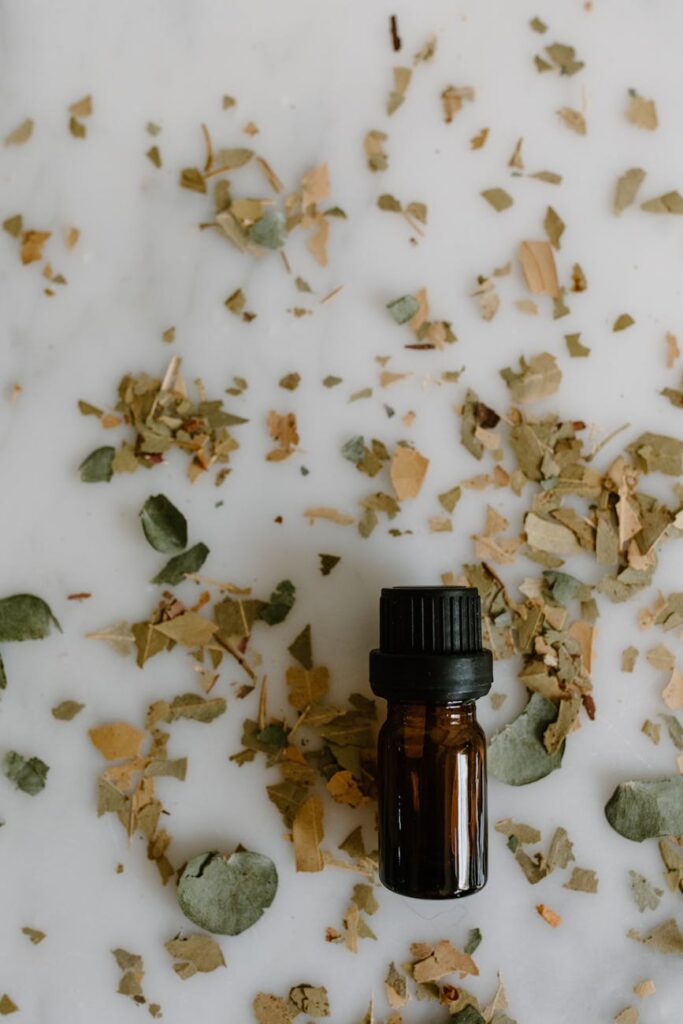
2. Sealed Containers: Use dark glass bottles to protect the oils from light, which can degrade their quality over time.
3. Shelf Life: Most essential oils have a shelf life of 1-3 years, depending on the oil and storage conditions. Citrus oils typically have a shorter shelf life, while oils like patchouli may improve with age.
Frequently Asked Questions
1. Can aromatherapy blends replace medication for sleep disorders?
Aromatherapy is a complementary approach and should not replace prescribed medical treatments. Always consult a healthcare professional for guidance regarding sleep disorders.
2. How often should I use aromatherapy blends for sleep?
The frequency of use can vary. Some individuals may find benefit from nightly use, while others may prefer occasional applications. Listen to your body and adjust as needed.
3. Are there any essential oils to avoid for sleep?
Certain oils, such as peppermint and rosemary, may be stimulating and could hinder sleep. It’s advisable to focus on calming oils for sleep blends.
4. Can I mix different oils in one blend?
Yes, blending different essential oils can create a synergistic effect, enhancing the overall benefits. Experimenting with various combinations can lead to personalized solutions.
5. How long does it take to feel the effects of aromatherapy?
Effects may be felt almost immediately, especially through inhalation. However, consistent use over time is often required to experience lasting benefits.
Conclusion
Aromatherapy blends for sleep disorders offer a natural and holistic approach to enhancing sleep quality and promoting relaxation. By understanding the properties, applications, and safety considerations associated with these essential oils, individuals can create personalized blends that cater to their unique needs. As you explore the world of aromatherapy, remember to approach it with mindfulness and a spirit of experimentation, allowing for a deeper connection to the soothing benefits of nature’s offerings.