
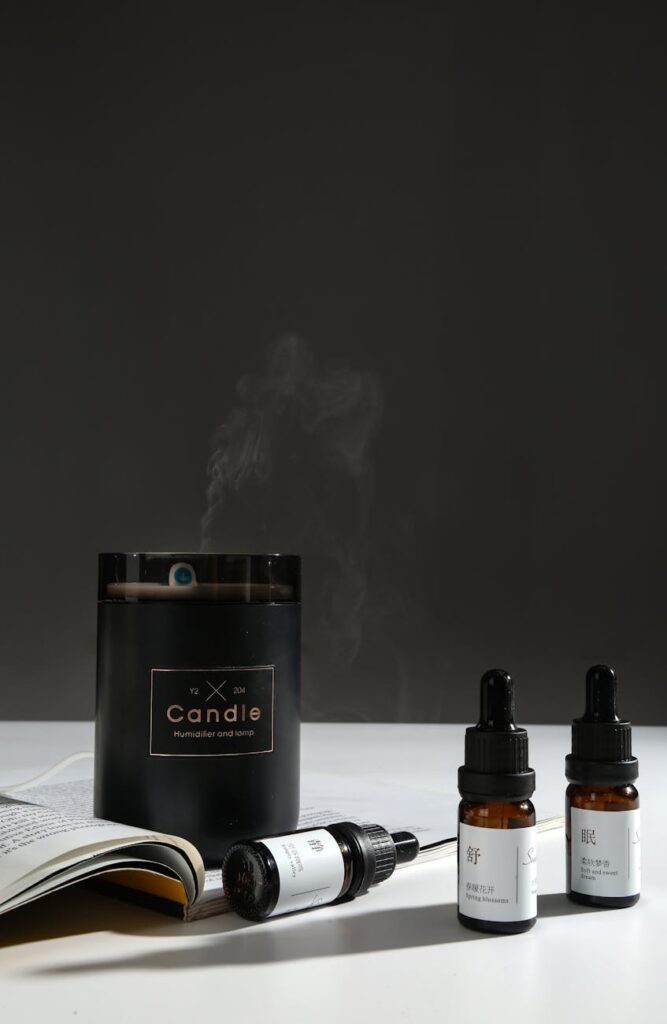
Complete Guide to Aromatherapy Blends for Sleep Disorders Part 6
Introduction
Aromatherapy has gained traction in recent years as a holistic approach to managing various health and well-being concerns, including sleep disorders. By harnessing the power of essential oils, individuals can create blends designed to promote relaxation, ease anxiety, and foster an environment conducive to restful sleep. This article delves into the intricate world of aromatherapy blends specifically aimed at sleep disorders, providing a comprehensive overview of their benefits, common uses, applications, and safety considerations.
What Is Aromatherapy Blends for Sleep Disorders?
Aromatherapy blends for sleep disorders are formulated combinations of essential oils known for their calming and soothing properties. These blends can be used in various forms, such as diffusers, sprays, or topical applications, to create a tranquil atmosphere that encourages relaxation and sleep. Essential oils are extracted from plants—flowers, leaves, stems, roots, and even seeds—each possessing unique therapeutic properties. When blended purposefully, these oils can work synergistically to enhance their individual effects.
Key Benefits and Properties
The benefits of using aromatherapy for sleep disorders are numerous, and they can vary depending on the specific essential oils used in the blend. Some of the key properties include:
- Relaxation: Many essential oils, such as lavender and chamomile, are renowned for their ability to promote relaxation and reduce stress levels.
- Anxiety Reduction: Oils like bergamot and ylang-ylang may help to alleviate feelings of anxiety, making it easier to unwind before bedtime.
- Sleep Induction: Certain oils, such as vetiver and sandalwood, are believed to facilitate the onset of sleep by calming the mind and body.
- Mood Enhancement: Citrus oils like sweet orange and lemon can improve mood, which can play a significant role in reducing insomnia caused by emotional distress.
- Diffusing: Using an essential oil diffuser allows the aromatic compounds to disperse into the air, creating a calming environment.
- Topical Application: Blending essential oils with carrier oils can create a soothing massage oil to apply to pulse points, promoting relaxation.
- Bath Soaks: Adding essential oils to a warm bath can provide a relaxing pre-sleep ritual, allowing for a tranquil transition to sleep.
- Sleep Pillows: Spritzing a sleep pillow with an aromatherapy spray can create a scented environment conducive to sleep.
- Dilution: Always dilute essential oils when applying them to the skin. Undiluted oils can cause skin irritation or allergic reactions.
- Quality of Oils: Use high-quality, pure essential oils from reputable sources. Low-quality oils may contain synthetic additives that can be harmful.
- Allergic Reactions: Perform a patch test on a small area of skin before using a new essential oil blend to check for allergic reactions.
- Pregnancy and Nursing: Certain essential oils may not be suitable for pregnant or nursing women. Consultation with a qualified health professional is advisable.
- Children and Pets: Some essential oils can be toxic to pets or unsuitable for children. Always research the specific oils before use in households with children or animals.
- Keep Away from Light: Essential oils should be stored in dark glass bottles to protect them from light, which can degrade their quality.
- Cool Temperatures: Store essential oils in a cool, dry place, away from heat sources, as high temperatures can alter their chemical composition.
- Seal Tightly: Ensure the bottles are sealed tightly to prevent oxidation and evaporation.
- Shelf Life: Most essential oils have a shelf life of 1 to 3 years, depending on the oil. Citrus oils tend to have a shorter shelf life, while oils like sandalwood and patchouli can last longer.
Common Uses
Aromatherapy blends for sleep disorders can be utilized in several ways, each catering to individual preferences and lifestyles. Some common uses include:
Aromatherapy Applications
When creating or using aromatherapy blends for sleep disorders, the method of application can significantly influence the effectiveness of the oils. Here are some recommended applications:
1. Diffusion
Using a diffuser is one of the most popular methods for enjoying the benefits of essential oils. Fill the diffuser with water and add a few drops of your chosen sleep blend. As the diffuser disperses the essential oils into the air, it creates a calming atmosphere that can enhance relaxation and promote sleep.
2. Topical Use
For topical applications, it is essential to dilute essential oils with a carrier oil, such as sweet almond, jojoba, or coconut oil. This not only helps to protect the skin but also allows the essential oils to absorb more effectively. A recommended dilution ratio is 2-3% (approximately 12 drops of essential oil per ounce of carrier oil). Apply the blend to pulse points like wrists, neck, and temples.
3. Bath Soaks
Creating a calming bath soak can help promote relaxation before bedtime. Add 5-10 drops of essential oil to a carrier oil or unscented bath product, then mix it into a warm bath. This method allows for both inhalation and absorption through the skin, maximizing the benefits.
4. Sleep Sprays
A sleep spray can be easily created by mixing essential oils with water and a small amount of alcohol (to help disperse the oils). Spray this mixture lightly on bedding, pillows, or curtains to create a soothing environment.
Safety Considerations
While aromatherapy is generally considered safe, there are several important safety considerations to keep in mind:
Storage and Shelf Life
Proper storage of essential oils is crucial to maintain their quality and potency. Here are some storage tips:
Frequently Asked Questions
1. Can aromatherapy blends replace sleep medications?
While aromatherapy can be a beneficial adjunct to a sleep routine, it is not a substitute for medication prescribed by a healthcare professional. Always consult a healthcare provider regarding sleep issues.
2. How long does it take for aromatherapy to work?
The effects of aromatherapy can vary based on individual sensitivity and the method of application. Many individuals report experiencing relaxation within minutes of inhaling the aroma, while others may find that regular use over time yields the best results.
3. Are there any essential oils to avoid for sleep?
Certain essential oils, such as rosemary and peppermint, are stimulating and may not be conducive to sleep. It is best to focus on oils known for their calming properties, like lavender, chamomile, and cedarwood.
4. Can I blend my own essential oils for sleep?
Yes, creating your own blends can be a rewarding experience. Start with a base of calming oils and add complementary oils that suit your personal preferences. Experimenting with ratios can help you find the perfect blend for your needs.
5. How can I incorporate aromatherapy into my nighttime routine?
Consider establishing a calming pre-sleep ritual that includes diffusing essential oils, taking a warm bath, or applying a soothing blend to pulse points. Consistency can enhance the effectiveness of aromatherapy for sleep.
Conclusion
Aromatherapy blends for sleep disorders offer a natural and holistic approach to promoting relaxation and restful sleep. By understanding the benefits, applications, and safety considerations of these essential oils, individuals can create personalized blends that enhance their nighttime routine. While aromatherapy can be a valuable tool in managing sleep issues, it is essential to approach its use thoughtfully and in conjunction with professional guidance when necessary.