
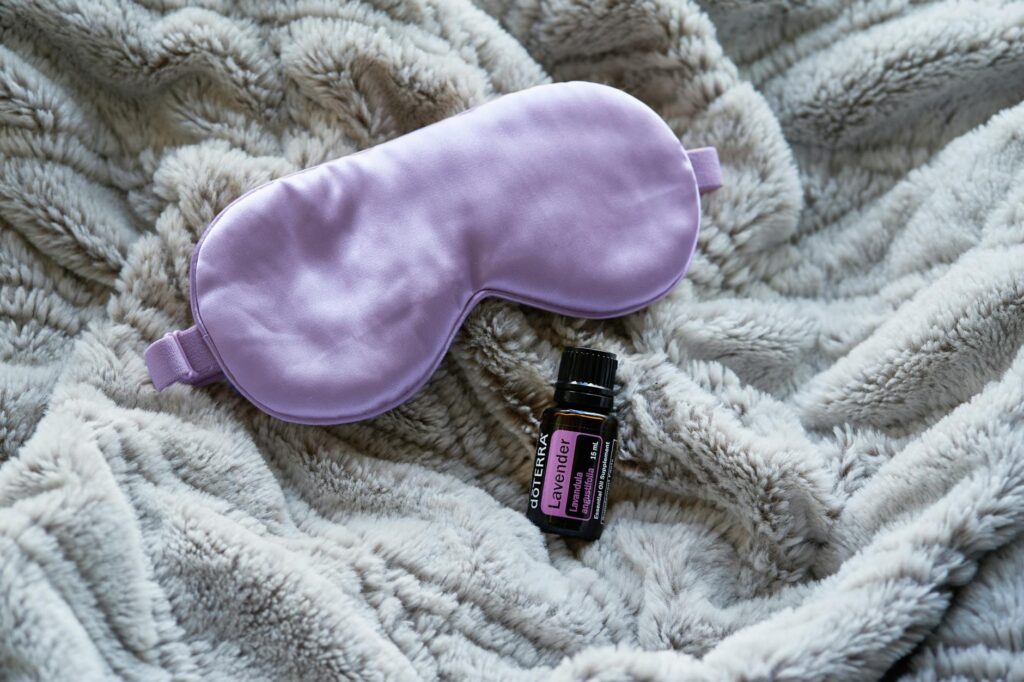
Complete Guide to Aromatherapy Blends for Sleep Disorders Part 7
Introduction
Aromatherapy has gained significant attention over the past few decades as a holistic approach to wellness. Among its many applications, the use of essential oils to address sleep disorders is particularly noteworthy. Part 7 of this comprehensive guide delves into various aspects of aromatherapy blends specifically designed for sleep-related challenges. By exploring the properties, benefits, and practical applications of these blends, readers can gain a deeper understanding of how aromatherapy can contribute to achieving restful sleep.
What Are Aromatherapy Blends for Sleep Disorders?
Aromatherapy blends for sleep disorders consist of carefully selected essential oils combined to promote relaxation, reduce anxiety, and enhance the overall quality of sleep. Essential oils are concentrated extracts derived from plants, capturing their aromatic and therapeutic properties. When blended appropriately, these oils can create a synergistic effect, amplifying their calming and sedative qualities. Common essential oils used in these blends include lavender, chamomile, bergamot, and cedarwood, among others.
Key Benefits and Properties
The primary benefits of aromatherapy blends for sleep disorders include:
1. Promoting Relaxation
Essential oils like lavender and chamomile are renowned for their calming effects. Inhaling these aromas can stimulate the limbic system, the part of the brain responsible for emotions, thus promoting feelings of serenity.
2. Reducing Anxiety
Certain oils, including bergamot and frankincense, can help mitigate anxiety levels. Their soothing properties can create a tranquil atmosphere conducive to sleep.
3. Enhancing Sleep Quality
Blends that incorporate sedative oils may improve sleep quality by increasing the duration of deep sleep. This is essential for physical and mental restoration.
4. Alleviating Nightmares and Night Terrors
Some studies suggest that specific essential oils may help lessen the frequency of nightmares or night terrors, making them valuable for individuals suffering from these disturbances.
5. Creating a Sleep-Inducing Environment
Aromatherapy blends can transform a bedroom into a sanctuary for rest. The pleasant scents can mask unpleasant odors and create an inviting ambiance for sleep.
Common Uses
Aromatherapy blends for sleep disorders can be utilized in various ways, including:
1. Diffusion
Using an essential oil diffuser is one of the most popular methods. By dispersing the aroma throughout a room, individuals can create a calming atmosphere that promotes relaxation.
2. Topical Application
Diluting essential oils in a carrier oil allows for topical application. Common areas for application include pulse points such as wrists, neck, and behind the ears. This method offers the dual benefit of aroma and skin absorption.
3. Bath Soaks
Incorporating essential oils into bathwater can provide a soothing experience. Blending oils with Epsom salts or carrier oils can enhance relaxation.
4. Inhalation
Simply inhaling the scent directly from the bottle or from a cotton ball soaked in essential oils can provide immediate calming effects.
5. Sleep Pillows or Sachets
Creating sleep sachets filled with dried herbs and a few drops of essential oils can impart a gentle scent that encourages sleep.
Aromatherapy Applications
Creating Your Own Sleep Blend
Designing a personalized aromatherapy blend can be both rewarding and effective. Here’s a simple recipe for a sleep-inducing blend:
Ingredients:
- 5 drops of lavender essential oil
- 3 drops of chamomile essential oil
- 3 drops of bergamot essential oil
- 1 tablespoon of carrier oil (e.g., sweet almond or jojoba oil)
Instructions:
1. Combine the essential oils with the carrier oil in a small glass bottle.
2. Secure the lid and gently roll the bottle between your hands to mix.
3. Apply a small amount to pulse points before bedtime.
Pre-Made Blends
Many commercial products are available for those who prefer ready-made options. Look for blends specifically marketed for sleep, and check the ingredient list for quality essential oils.
Using a Diffuser
To utilize a diffuser effectively:
1. Fill the diffuser with water according to the manufacturer’s instructions.
2. Add the recommended number of drops of your chosen essential oil blend.
3. Turn on the diffuser about 30 minutes before bedtime to allow the aroma to fill the room.
Safety Considerations
While essential oils are generally safe when used correctly, there are important safety considerations to keep in mind:
1. Dilution is Key
Essential oils should be diluted in a carrier oil before topical application to minimize the risk of skin irritation.
2. Patch Test
Always perform a patch test when trying a new oil or blend. Apply a small amount of diluted oil to a discreet area of skin and wait 24 hours to check for any adverse reactions.
3. Pregnancy and Nursing
Consult with a healthcare provider before using essential oils during pregnancy or while nursing, as some oils may not be safe.
4. Children and Pets
Certain essential oils are not suitable for children or pets. Always research specific oils to ensure their safety around animals and young children.
5. Quality Matters
Choose high-quality, pure essential oils from reputable suppliers. Adulterated or synthetic oils may not provide the desired effects and could pose health risks.
Storage and Shelf Life
Proper storage of essential oils is crucial for maintaining their efficacy. Here are some guidelines:
1. Cool and Dark Environment
Store essential oils in a cool, dark place, away from direct sunlight and heat, which can degrade their quality.
2. Tightly Sealed Containers
Ensure that bottles are tightly sealed to prevent oxidation and evaporation.
3. Shelf Life
The shelf life of essential oils varies. Most oils can last between 1 to 3 years, while some citrus oils have a shorter shelf life of about 6 months to a year. Regularly check for any changes in color, smell, or viscosity.
Frequently Asked Questions
1. Can I mix different essential oils for sleep?
Yes, combining different essential oils can enhance the effectiveness of a blend. Just be sure to research their properties to ensure compatibility.
2. How long before bed should I use aromatherapy?
Using aromatherapy about 30 minutes to an hour before bedtime is typically recommended to allow the scent to permeate the space.
3. Are there any side effects of using essential oils?
While generally safe, essential oils can cause allergic reactions or skin irritation in some individuals. Always dilute and perform a patch test.
4. Can aromatherapy replace sleep medications?
Aromatherapy can be a complementary approach to promote relaxation and improve sleep quality but should not be considered a replacement for prescribed medications. Always consult a healthcare professional for sleep disorders.
5. What essential oils are best for children?
Lavender and chamomile are commonly regarded as safe for children, but always consult a pediatrician before introducing essential oils to children.
Conclusion
Aromatherapy blends for sleep disorders offer a natural, holistic approach to promoting relaxation and enhancing sleep quality. By understanding the properties of various essential oils, their applications, and safety considerations, individuals can create tailored blends that support their journey toward better sleep. As the popularity of aromatherapy continues to rise, it remains essential to stay informed about best practices and to approach this ancient practice with respect and care.