
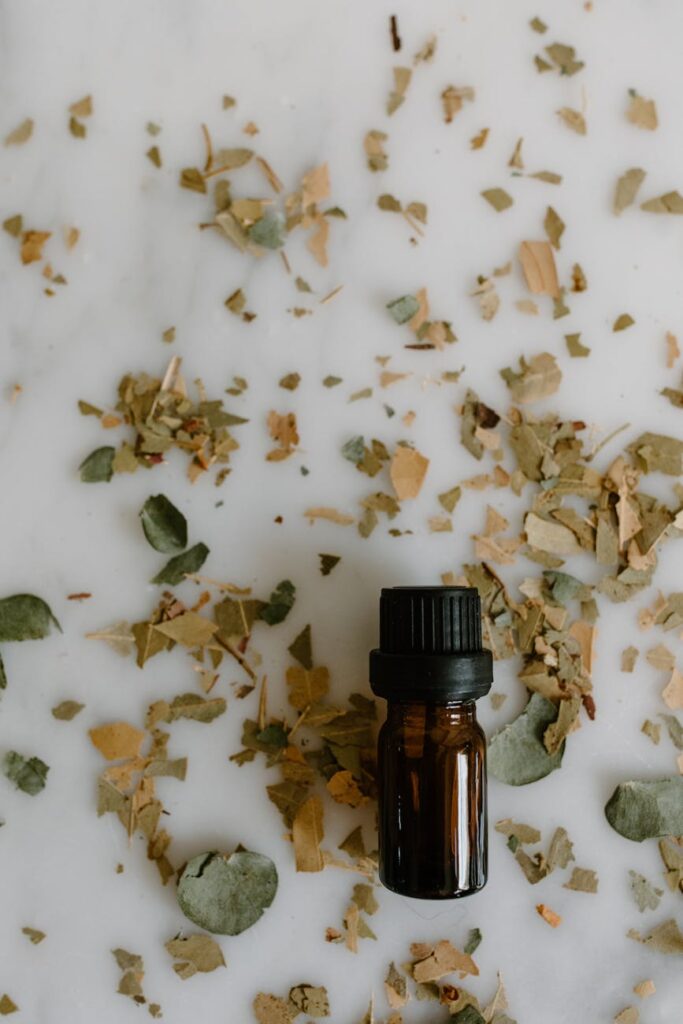
Complete Guide to Aromatherapy Blends for Sleep Disorders Part 7
Introduction
Sleep disorders affect millions of individuals globally, leading to a range of health issues, including fatigue, irritability, and decreased cognitive function. Among the various holistic approaches to promote restful sleep, aromatherapy has emerged as a popular alternative. This guide explores the use of aromatherapy blends specifically designed for sleep disorders, outlining their benefits, common applications, and safety considerations.
What Is Aromatherapy Blends for Sleep Disorders?
Aromatherapy involves the use of essential oils extracted from plants to promote physical and emotional well-being. When it comes to sleep disorders, aromatherapy blends typically consist of various essential oils known for their calming and sedative properties. These blends can be utilized in various forms, such as diffusers, topical applications, or bath products, to create a soothing environment conducive to sleep.
Common essential oils used in sleep-related blends include lavender, chamomile, cedarwood, and bergamot. Each oil has unique characteristics and benefits that contribute to relaxation and improved sleep quality.
Key Benefits and Properties
The essential oils used in aromatherapy blends for sleep disorders possess various properties that can help individuals achieve better rest. Some of the key benefits include:
- Calming Effects: Many essential oils, such as lavender and chamomile, have calming effects that can help reduce anxiety and stress, setting the stage for a restful night.
- Sedative Properties: Certain oils, like valerian and ylang-ylang, are known for their sedative qualities, which can help induce sleep and prolong its duration.
- Mood Enhancement: Aromatherapy can positively influence mood and emotional well-being. Oils such as bergamot can alleviate feelings of sadness or anxiety, contributing to a more peaceful mindset before sleep.
- Improved Sleep Quality: Regular use of sleep-specific aromatherapy blends can enhance overall sleep quality, leading to more restorative rest and reduced instances of waking during the night.
- Non-Invasive Approach: Aromatherapy provides a natural, non-invasive method for addressing sleep disorders, making it an appealing option for many individuals seeking alternatives to pharmaceutical interventions.
- Diffusion: Using an essential oil diffuser is one of the most popular methods. This process disperses essential oils into the air, allowing individuals to inhale their calming scents while they prepare for sleep.
- Topical Application: Blending essential oils with carrier oils, such as jojoba or coconut oil, allows for safe application on pulse points, such as wrists and neck. This method provides a more direct impact on the body.
- Bath Products: Adding essential oils to bathwater can create a serene atmosphere conducive to relaxation. For optimal results, it is advisable to mix the oils with a dispersant, such as Epsom salt, to ensure an even distribution in the water.
- Pillow Sprays: Pillow sprays, which combine essential oils with water and a mild emulsifier, can be lightly misted onto bedding to promote a calming environment as one drifts off to sleep.
- Inhalation: Inhaling essential oils directly from the bottle or through a cotton ball can provide immediate relief from stress and tension, making it a suitable option for those needing quick relaxation before bedtime.
- Blending Techniques: Combining various essential oils can create a more balanced and effective blend. For instance, pairing lavender with chamomile can amplify their calming effects. It’s essential to use essential oils in appropriate ratios to maintain harmony in the blend.
- Personalization: Individuals may respond differently to specific scents. Therefore, personalizing a blend according to personal preferences and individual reactions can help optimize results. Experimenting with different combinations can lead to a tailored solution that caters to unique needs.
- Routine Establishment: Incorporating aromatherapy into a nightly routine can signal the body to prepare for sleep. This can include practices such as diffusing oils while reading a book or taking a warm bath infused with essential oils.
- Mindfulness and Meditation: Combining aromatherapy with mindfulness practices, such as meditation or deep breathing, can enhance relaxation and promote a more profound sense of calm. This holistic approach can be particularly beneficial for those with persistent sleep issues.
- Dilution: Essential oils are highly concentrated and should be diluted with a carrier oil before applying to the skin. A common dilution ratio is 2-3 drops of essential oil per teaspoon of carrier oil.
- Allergic Reactions: Conducting a patch test before using a new essential oil is advisable to avoid allergic reactions. Apply a small diluted amount to a discreet area of skin and monitor for any adverse reactions over 24 hours.
- Pregnancy and Health Conditions: Some essential oils may not be suitable for pregnant or nursing individuals, or those with specific health conditions. It is crucial to research oils and consult with a knowledgeable practitioner when in doubt.
- Quality of Essential Oils: The quality of essential oils can vary significantly between brands. It is essential to choose high-quality, pure essential oils from reputable sources to ensure safety and efficacy.
- Cool, Dark Environment: Essential oils should be stored in a cool, dark place, away from direct sunlight and heat sources. This helps prevent degradation of the oils.
- Sealed Containers: Keeping essential oils in tightly sealed, dark glass containers can further protect them from light and air exposure, which can alter their chemical composition.
- Shelf Life: The shelf life of essential oils can vary based on the type of oil and storage conditions. Generally, most essential oils last between 1 to 3 years, while citrus oils may have a shorter shelf life. It is advisable to check for any changes in scent or appearance before use.
Common Uses
Aromatherapy blends for sleep disorders can be used in various ways, allowing individuals to find the most suitable method for their lifestyle and preferences. Some common uses include:
Aromatherapy Applications
When creating or using aromatherapy blends for sleep disorders, the following applications can enhance their effectiveness:
Safety Considerations
While aromatherapy is generally considered safe, certain precautions should be taken to ensure a positive experience:
Storage and Shelf Life
Proper storage of essential oils is essential to maintain their efficacy and prolong their shelf life. Here are some guidelines:
Frequently Asked Questions
1. Can I use essential oils for sleep every night?
Yes, many individuals find that using essential oils nightly helps them establish a calming routine. However, it is advisable to monitor your body’s response and adjust usage as needed.
2. How long does it take for aromatherapy to work for sleep?
The effects of aromatherapy can vary; some individuals may feel immediate relaxation, while others may require consistent use over several nights to notice significant improvements in sleep quality.
3. Are there any essential oils to avoid for sleep?
Certain oils, such as peppermint or rosemary, are considered stimulating and may not be conducive to sleep. It is best to focus on calming oils like lavender, chamomile, and bergamot.
4. Can children use aromatherapy for sleep?
Aromatherapy can be beneficial for children, but it is important to use oils specifically recommended for children and to dilute them appropriately. Consulting with a pediatrician or a qualified aromatherapy practitioner is advisable.
5. How can I enhance my sleep environment along with aromatherapy?
Creating a restful sleep environment can include dimming lights, keeping the room cool, and minimizing noise. Incorporating aromatherapy through diffusers or sprays can complement these environmental adjustments.
Conclusion
Aromatherapy blends offer a holistic approach to managing sleep disorders, providing various benefits that can enhance the quality of rest. With careful selection, application, and consideration of safety measures, individuals can explore the soothing world of essential oils and find a personalized blend that meets their needs. As with any holistic practice, patience and consistency are key to achieving the desired results.