
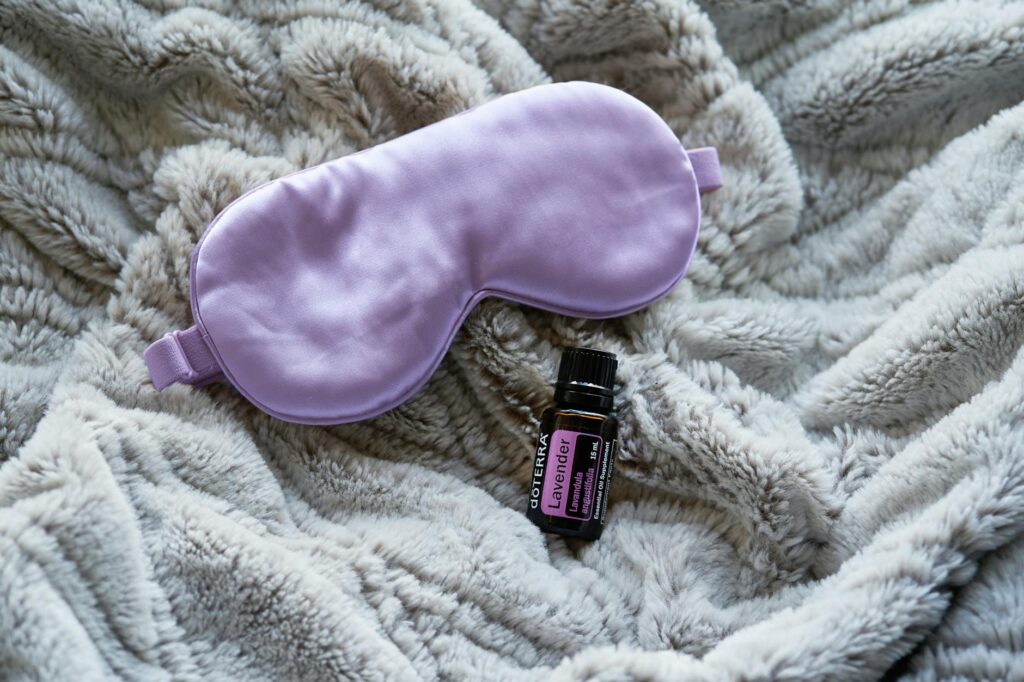
Complete Guide to Aromatherapy Blends for Sleep Disorders Part 7
Introduction
Sleep disorders affect millions of individuals worldwide, disrupting their daily lives and overall well-being. While there are numerous approaches to improving sleep quality, one increasingly popular method is through the use of aromatherapy. This article serves as a comprehensive guide to aromatherapy blends specifically formulated to address sleep disorders, exploring their benefits, applications, and practical considerations.
What Is Aromatherapy Blends for Sleep Disorders?
Aromatherapy is the practice of using essential oils, extracted from plants, for therapeutic purposes. When it comes to sleep disorders, specific essential oils have been identified for their calming and sedative properties. Aromatherapy blends are combinations of these essential oils designed to enhance their collective effects, making them more effective for promoting relaxation and improving sleep quality.
These blends often combine oils known for their soothing characteristics, such as lavender, chamomile, and bergamot. By harnessing the power of scent, aromatherapy aims to create a calming environment conducive to restful sleep.
Key Benefits and Properties
Aromatherapy blends for sleep disorders offer a myriad of potential benefits. Here are some of the key properties associated with popular essential oils used for sleep:
1. Relaxation: Many essential oils possess inherent calming properties that can help reduce anxiety and stress. Lavender, for instance, is widely recognized for its ability to induce relaxation.
2. Sleep Induction: Certain oils may promote the onset of sleep by acting on the central nervous system. Oils like chamomile and cedarwood can help ease the transition into slumber.
3. Mood Enhancement: Aromatherapy can also elevate mood, which may indirectly contribute to better sleep. Bergamot and ylang-ylang are known for their uplifting qualities.
4. Restorative Effects: A good night’s sleep is essential for physical and mental restoration. Essential oils can create an environment that supports deeper, more restorative sleep cycles.
5. Reduction of Sleep Disturbances: Blends that contain oils like marjoram and sandalwood may help minimize disturbances throughout the night, contributing to more uninterrupted sleep.
Common Uses
Aromatherapy blends designed for sleep disorders are versatile and can be used in various ways:
- Diffusion: One of the most popular methods is using an essential oil diffuser. This device disperses the blend into the air, allowing the scent to fill the room and create a calming atmosphere.
- Topical Application: Some individuals may choose to apply diluted essential oil blends to pulse points, such as wrists or behind the ears. It’s crucial to use appropriate carrier oils for safe application.
- Bathing: Adding a few drops of an aromatherapy blend to a warm bath can create a serene environment, allowing the individual to unwind before bedtime.
- Pillow Sprays: Creating a sleep spray by mixing essential oils with water in a spray bottle can provide a quick and easy way to enhance the sleep environment.
- Massage: Incorporating aromatherapy blends into a nighttime massage can be a soothing experience that promotes relaxation and prepares the body for sleep.
- How to Use: Fill the diffuser with water, add the recommended number of drops of your chosen blend, and turn it on.
- Recommended Blends: A combination of lavender and cedarwood can create a peaceful atmosphere.
- How to Use: Combine essential oils with a carrier oil (e.g., coconut or jojoba oil) at a recommended dilution ratio, typically 2-3 drops of essential oil per teaspoon of carrier oil. Apply to pulse points or the soles of the feet.
- Recommended Blends: A blend of chamomile and ylang-ylang can be soothing when applied before bed.
- How to Use: Mix a few drops of essential oil with a carrier oil or Epsom salt to help disperse the oils in water.
- Recommended Blends: A combination of lavender and frankincense can enhance relaxation.
- How to Use: Mix 10-15 drops of essential oils with water in a spray bottle. Shake well before each use and lightly mist your pillow.
- Recommended Blends: A blend of bergamot and sandalwood can promote a peaceful sleep environment.
- How to Use: Use a carrier oil mixed with essential oils and gently massage onto the back, shoulders, or feet.
- Recommended Blends: A soothing blend of marjoram and lavender can relieve tension.
- Dilution: Always dilute essential oils before applying them to the skin to avoid irritation.
- Quality of Oils: Use high-quality, pure essential oils from reputable sources to ensure safety and effectiveness.
- Consultation: If you are pregnant, nursing, or have pre-existing health conditions, consult a qualified professional before using essential oils.
- Patch Test: Conduct a patch test by applying a small diluted amount of essential oil to a small area of skin to check for adverse reactions.
- Avoid Certain Oils: Some essential oils are not recommended for use with specific populations, such as children or individuals with certain health conditions.
- Storage Location: Keep essential oils in a cool, dark place, away from direct sunlight and heat sources.
- Container: Store oils in dark glass bottles, which help protect them from light degradation.
- Shelf Life: While the shelf life can vary depending on the oil, most essential oils last for 1-3 years when stored properly. Citrus oils, however, may have a shorter shelf life, typically around 6 months to 1 year.
Aromatherapy Applications
When using aromatherapy blends for sleep disorders, the method of application can significantly influence their effectiveness. Here are some popular applications:
1. Diffusion
Using an essential oil diffuser is one of the most effective ways to disperse the calming effects of aromatherapy throughout a space.
2. Topical Application
Topical application involves applying diluted essential oils directly to the skin.
3. Bath Soaks
Taking a warm bath infused with essential oils can create a calming ritual before sleep.
4. Pillow Sprays
Creating a pillow spray can be an easy way to incorporate aromatherapy into your nightly routine.
5. Massage
Incorporating aromatherapy into a massage can enhance relaxation and promote sleep.
Safety Considerations
While aromatherapy is generally considered safe, there are important safety considerations to keep in mind:
Storage and Shelf Life
Proper storage of essential oils is crucial for maintaining their quality and effectiveness. Here are guidelines to ensure longevity:
Frequently Asked Questions
Q1: Can aromatherapy replace traditional treatments for sleep disorders?
Aromatherapy can be a complementary approach to improving sleep quality, but it should not replace conventional treatments without consulting a healthcare provider.
Q2: How do I choose the right essential oil blend for my sleep issues?
Consider your specific needs and preferences. Oils like lavender are known for their calming properties, while chamomile may help with anxiety. Experimenting with different blends can help you find the most effective option.
Q3: Is it safe to use essential oils for children?
Some essential oils are safe for children, but it is essential to use them with caution. Always dilute oils and consult with a healthcare professional for guidance.
Q4: Can I use aromatherapy blends during the day?
While the focus of this guide is on sleep, many essential oils can be uplifting and energizing. Blends containing citrus oils, for instance, may be beneficial during the day to enhance mood and focus.
Q5: How long before bed should I use aromatherapy?
Using aromatherapy 30 minutes to an hour before bedtime can allow the calming effects to take hold and create a peaceful atmosphere conducive to sleep.
Conclusion
Aromatherapy blends can be a valuable tool for those seeking to improve their sleep quality and address sleep disorders. By understanding the properties, applications, and safety considerations of essential oils, individuals can create personalized routines that promote relaxation and restful sleep. It is essential to approach aromatherapy with an open mind and a spirit of experimentation, while also respecting the power of nature’s offerings.