
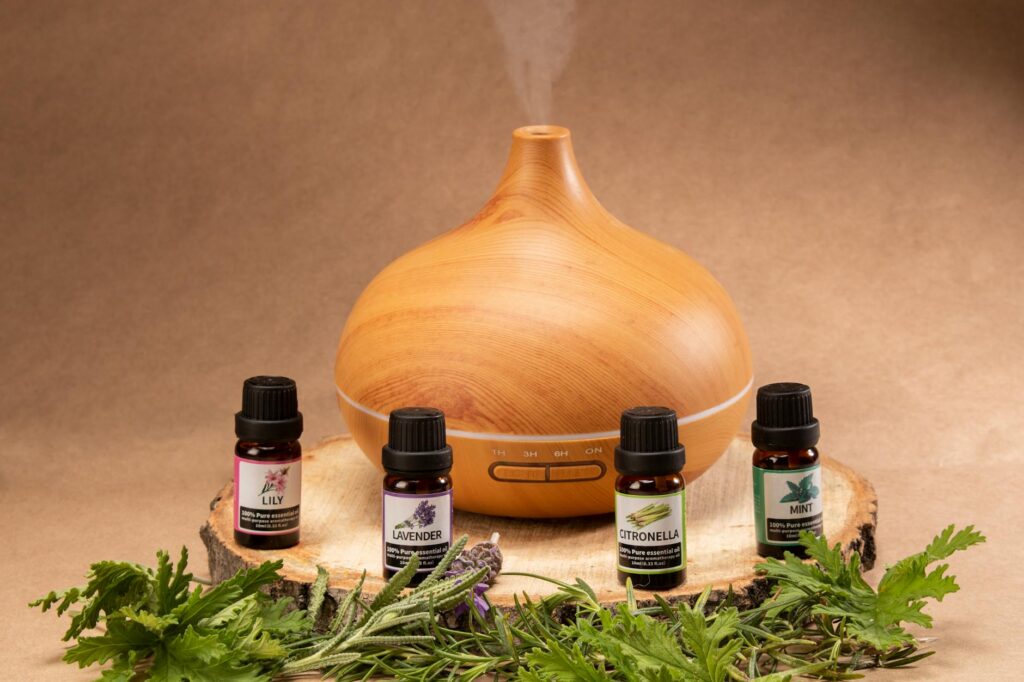
Complete Guide to Aromatherapy Blends for Sleep Enhancement Part 4
Introduction
Aromatherapy, the practice of using essential oils for therapeutic purposes, has gained popularity as a natural approach to enhancing well-being. One of the most sought-after applications of aromatherapy is for sleep enhancement. In this article, we will explore various aromatherapy blends specifically designed to promote restful sleep. We will delve into their benefits, common applications, safety considerations, and more, providing you with a comprehensive guide to effectively utilize these blends.
What Are Aromatherapy Blends for Sleep Enhancement?
Aromatherapy blends for sleep enhancement consist of carefully selected essential oils combined to create a synergistic effect that promotes relaxation and improves sleep quality. Essential oils are concentrated plant extracts that capture the aromatic properties of the plants from which they are derived. When blended thoughtfully, these oils can work together to influence mood, reduce stress, and create an atmosphere conducive to sleep.
Common essential oils used in sleep enhancement blends include:
- Lavender (Lavandula angustifolia): Known for its calming properties.
- Bergamot (Citrus bergamia): Often used to alleviate anxiety and promote relaxation.
- Sandalwood (Santalum album): Valued for its grounding qualities.
- Chamomile (Matricaria chamomilla): Recognized for its soothing effects.
- 5 drops Lavender
- 3 drops Bergamot
- 2 drops Chamomile
- 4 drops Sandalwood
- 4 drops Cedarwood
- 2 drops Vetiver
- 3 drops Ylang Ylang
- 2 drops Frankincense
- 3 drops Lavender
- 5 drops Sweet Orange
- 3 drops Lavender
- 1 drop Marjoram
Key Benefits and Properties
The benefits of aromatherapy blends for sleep enhancement extend beyond mere relaxation. Here are some key properties and benefits associated with essential oils used for this purpose:
1. Promotes Relaxation: Many essential oils have calming effects that help reduce stress and anxiety, creating a tranquil environment for sleep.
2. Enhances Mood: Certain oils can uplift mood and reduce feelings of restlessness, making it easier to transition into a restful state.
3. Improves Sleep Quality: Regular use of sleep-enhancing blends can contribute to deeper and more restorative sleep cycles.
4. Supports a Healthy Sleep Routine: Incorporating aromatherapy into a nightly ritual can signal the body that it’s time to wind down, fostering a habitual connection to sleep.
5. Natural and Holistic: Unlike synthetic sleep aids, essential oils offer a natural option that can be tailored to individual preferences and sensitivities.
Common Uses
Aromatherapy blends for sleep enhancement can be utilized in various ways. Here are some common applications:
1. Diffusion: Using an essential oil diffuser is one of the most popular methods. Simply add a few drops of the sleep blend to the water in your diffuser before bedtime to fill the room with soothing aromas.
2. Topical Application: Diluted blends can be applied to pulse points, such as wrists, neck, or temples. Always mix essential oils with a carrier oil (like jojoba or sweet almond oil) to prevent skin irritation.
3. Bath Soaks: Adding a few drops of a sleep blend to a warm bath can enhance relaxation. Combine with Epsom salts for an added soothing effect.
4. Pillow Sprays: Create a pillow spray by mixing essential oils with water in a spray bottle. A light mist over bedding before sleep can provide a calming aroma.
5. Inhalation: Direct inhalation of essential oils can be effective. Place a drop or two on a cotton ball and inhale deeply before sleep.
Aromatherapy Applications
When selecting or creating an aromatherapy blend for sleep enhancement, consider the following applications:
1. Relaxing Sleep Blend
Ingredients:
Application: Diffuse this blend in the bedroom an hour before sleep for a calming environment.
2. Grounding Sleep Blend
Ingredients:
Application: Use topically on pulse points or during meditation to ground the mind and body before sleep.
3. Calming Sleep Blend
Ingredients:
Application: Add to a warm bath for an immersive relaxation experience.
4. Sweet Dreams Blend
Ingredients:
Application: Create a pillow spray by mixing with water in a spray bottle and lightly misting the bedding.
Safety Considerations
While aromatherapy is generally safe, it is important to follow certain guidelines to ensure safe use:
1. Dilution: Always dilute essential oils before topical application. A common dilution ratio is 1-2% for adults, which translates to about 6-12 drops of essential oil per ounce of carrier oil.
2. Patch Testing: Conduct a patch test before using a new essential oil to check for allergic reactions or skin sensitivities.
3. Avoiding Certain Oils: Pregnant or nursing individuals, as well as those with certain medical conditions, should consult with a qualified practitioner regarding specific essential oils. Some oils, like rosemary or sage, may not be suitable for everyone.
4. Keep Away from Children and Pets: Certain essential oils can be toxic to children and pets. Always store oils securely and avoid using them in ways that may expose these vulnerable groups.
5. Quality Matters: Use high-quality, pure essential oils from reputable sources. Synthetic fragrances or adulterated oils may not have the same benefits and can cause adverse reactions.
Storage and Shelf Life
Proper storage of essential oils is crucial to maintain their potency and effectiveness:
1. Containers: Store essential oils in dark glass bottles to protect them from light. Amber or cobalt blue bottles are ideal for this purpose.
2. Temperature: Keep oils in a cool, dry place away from direct sunlight and heat sources to prevent degradation.
3. Shelf Life: The shelf life of essential oils varies, generally ranging from 1-5 years depending on the oil. Citrus oils tend to have a shorter shelf life, while oils like sandalwood and vetiver can last longer.
Frequently Asked Questions
1. Can I use multiple essential oils in one blend?
Yes, combining essential oils can create synergistic effects. However, it is essential to understand the properties of each oil and ensure that they complement each other.
2. How long before bed should I use aromatherapy for sleep?
Using aromatherapy about 30 minutes to an hour before bedtime can help create a calming environment, allowing the body to transition into sleep more easily.
3. Are there any side effects associated with aromatherapy?
While essential oils are generally safe when used properly, some individuals may experience allergic reactions or skin irritation. Always conduct a patch test and consult a professional if you have any concerns.
4. Can aromatherapy replace sleep medications?
Aromatherapy can be a complementary practice for improving sleep, but it is not a substitute for professional medical advice or treatment. If you have chronic sleep issues, consulting a healthcare professional is recommended.
5. Are there specific oils I should avoid if I am pregnant?
Yes, certain essential oils should be avoided during pregnancy, including sage, rosemary, and jasmine. Always consult a healthcare provider before using essential oils during pregnancy.
Conclusion
Aromatherapy blends for sleep enhancement offer a natural and holistic approach to improving sleep quality. By understanding the properties, benefits, and applications of various essential oils, individuals can create personalized blends that cater to their specific needs. Whether using diffusion, topical application, or bath soaks, incorporating aromatherapy into a nightly routine can foster relaxation and promote restful sleep. As with any holistic practice, it is essential to approach aromatherapy with awareness and care, ensuring a safe and beneficial experience.