
Complete Guide to Aromatherapy Blends for Sleep Induction Part 4
Introduction
Sleep is a fundamental component of overall health and well-being. In the quest for restful slumber, many individuals turn to natural remedies, with aromatherapy emerging as a popular choice. This guide explores the world of aromatherapy blends specifically designed to induce sleep, delving into their properties, applications, and safety considerations.
What Are Aromatherapy Blends for Sleep Induction?
Aromatherapy blends for sleep induction consist of essential oils that are combined to create a synergistic effect, promoting relaxation and facilitating the onset of sleep. These blends often incorporate soothing scents from various plants, which can help calm the mind, reduce anxiety, and foster a tranquil environment conducive to rest. Common essential oils used in these blends include lavender, chamomile, bergamot, and cedarwood, among others.
Key Benefits and Properties
The benefits of aromatherapy blends for sleep induction are manifold. Here are some key properties of commonly used essential oils:
1. Calming and Sedative Effects: Essential oils such as lavender and chamomile are well-known for their calming properties. They can help ease tension and promote a sense of tranquility.
2. Reduction of Anxiety: Oils like bergamot and ylang-ylang can alleviate feelings of anxiety, making it easier to unwind before bedtime.
3. Mood Enhancement: Some essential oils can uplift the mood, helping to reduce feelings of stress. This can be especially beneficial for individuals who experience racing thoughts at night.
4. Improved Sleep Quality: Regular use of sleep-inducing aromatherapy blends may contribute to deeper and more restorative sleep cycles.
5. Enhanced Relaxation: Many essential oils have properties that promote relaxation of both the mind and body, making it easier to transition into a state of sleep.
Common Uses
Aromatherapy blends for sleep induction can be utilized in various ways:
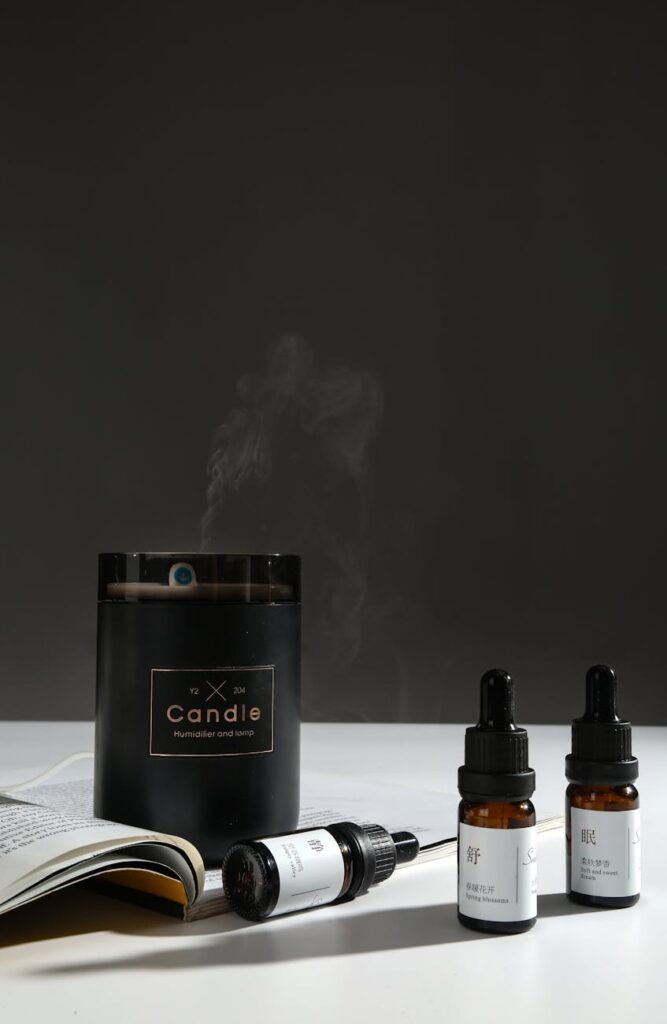
1. Diffusion: Using an essential oil diffuser is one of the most popular methods. By dispersing the scent into the air, it creates a calming atmosphere that can enhance relaxation.
2. Topical Application: Blending essential oils with a carrier oil (such as jojoba or sweet almond oil) allows for safe application on pulse points, such as wrists or temples.
3. Bath Additives: Adding a few drops of a sleep-inducing blend to a warm bath can provide a soothing experience, enhancing relaxation before bedtime.
4. Pillow Sprays: Creating a pillow spray using a sleep blend can help promote a calming scent that lingers throughout the night.
5. Inhalation: Simply inhaling the scent directly from the bottle or from a cotton ball can provide immediate relaxation.
Aromatherapy Applications
There are numerous methods to apply aromatherapy blends for sleep induction. Here are some popular techniques:
Diffusion
Using an essential oil diffuser is one of the most effective ways to benefit from aromatherapy. It disperses the oils into the air, allowing for easy inhalation. For a sleep-inducing blend, consider mixing:
- 5 drops of lavender
- 3 drops of bergamot
- 2 drops of cedarwood
- 2 tablespoons of a carrier oil
- 3 drops of chamomile
- 2 drops of ylang-ylang
- 2 drops of vetiver
- 5 drops of lavender
- 3 drops of sandalwood
- 2 drops of marjoram
- 1 cup of distilled water
- 10 drops of frankincense
- 5 drops of chamomile
Topical Application
When applying essential oils to the skin, it is crucial to dilute them with a carrier oil. A simple sleep blend could include:
Gently massage this blend onto areas such as the neck, wrists, or behind the ears.
Bath Soak
To create a relaxing bath experience, add the following to your warm bath water:
Swirl the oils into the water and soak for at least 20 minutes.
Pillow and Linen Spray
For a calming bedtime atmosphere, mix the following in a spray bottle:
Lightly mist your pillow and bedding before sleep.
Inhalation
For immediate relief from stress or anxiety, simply inhale the scent of your chosen essential oil directly from the bottle or on a cotton ball.
Safety Considerations
While aromatherapy is generally safe, certain precautions should be observed:
1. Dilution: Essential oils are highly concentrated and should always be diluted with a carrier oil when applied to the skin.
2. Allergies and Sensitivities: Perform a patch test before using a new essential oil to ensure there are no allergic reactions.
3. Pregnancy and Nursing: Some essential oils are contraindicated during pregnancy or while nursing. It’s advisable to consult a healthcare professional for guidance.
4. Children and Pets: Certain oils may be unsuitable for use around children and animals. Always check safety guidelines before use.
5. Quality of Oils: Use high-quality, pure essential oils from reputable sources to ensure safety and effectiveness.
Storage and Shelf Life
Proper storage is essential for maintaining the integrity and efficacy of essential oils:
1. Dark Glass Containers: Essential oils should be stored in dark glass bottles to protect them from light degradation.
2. Cool Environment: Keep oils in a cool, dry place, away from direct sunlight and heat sources.
3. Shelf Life: The shelf life of essential oils can vary. Generally, citrus oils have a shorter shelf life (1-2 years), while woody oils like cedarwood may last longer (up to 5 years). Always check for changes in smell or consistency, which may indicate degradation.
Frequently Asked Questions
Q: Can aromatherapy replace medication for sleep issues?
A: Aromatherapy can be a complementary approach to improving sleep, but it should not replace prescribed medications without consulting a healthcare professional.
Q: How long does the effect of aromatherapy last?
A: The duration of effects can vary; however, the calming scent can linger for several hours, especially if used in a diffuser or as a pillow spray.
Q: Is it safe to use essential oils during pregnancy?
A: Some essential oils are contraindicated during pregnancy. It is crucial to consult with a healthcare provider before using any essential oils.
Q: Can I mix different essential oils for sleep?
A: Yes, blending different essential oils can create a personalized sleep-inducing aroma. Experiment with various combinations to find what works best for you.
Q: Are there any essential oils that should be avoided?
A: Certain oils, such as rosemary and peppermint, may be stimulating and are not recommended for sleep induction. Always refer to safety guidelines and consult professional sources.
Conclusion
Aromatherapy blends for sleep induction offer a natural approach to enhancing relaxation and improving sleep quality. By understanding the properties and safe applications of various essential oils, individuals can create personalized blends that cater to their specific needs. Always approach aromatherapy with mindfulness, respecting the potency of the oils and following safety considerations for a peaceful and restorative night’s sleep.