
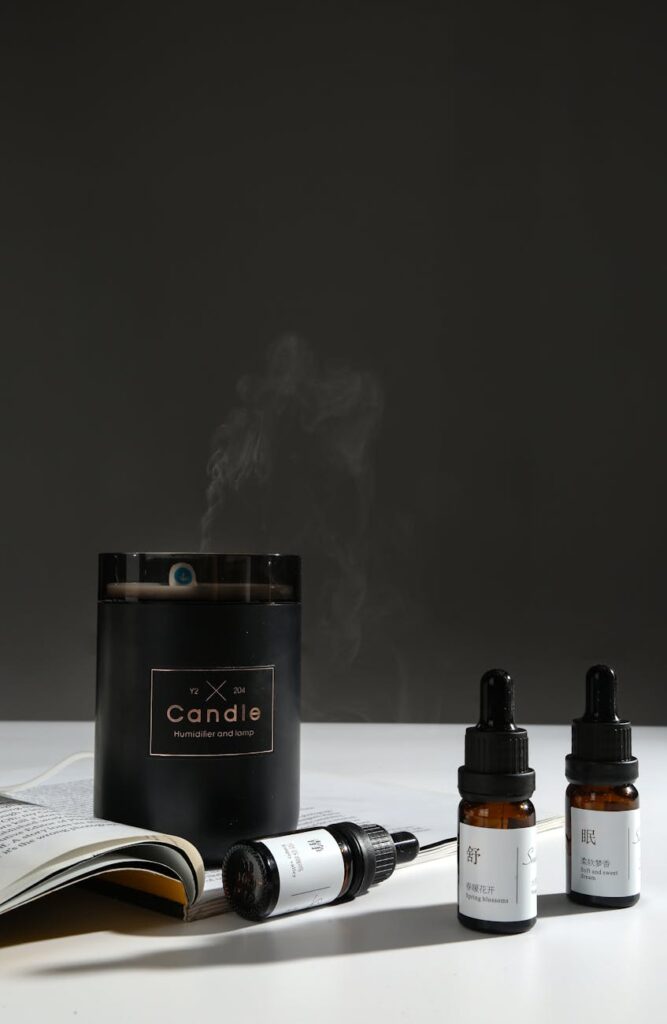
Complete Guide to Aromatherapy Blends for Sleep Induction Part 7
Introduction
In today’s fast-paced world, achieving a restful night’s sleep has become a challenge for many. Aromatherapy, the practice of using essential oils for therapeutic benefits, offers a natural and holistic approach to promoting relaxation and enhancing sleep quality. This guide delves into the intricacies of aromatherapy blends specifically designed for sleep induction, helping you understand their properties, applications, and safety considerations.
What Is Aromatherapy Blends for Sleep Induction?
Aromatherapy blends for sleep induction are carefully formulated combinations of essential oils that aim to create a calming environment conducive to sleep. Each essential oil possesses unique properties that contribute to relaxation, stress reduction, and overall well-being. Commonly used oils for sleep include lavender, chamomile, and bergamot, among others. When combined, these oils can enhance each other’s effects, creating a synergistic blend that promotes a sense of tranquility.
Key Benefits and Properties
Aromatherapy blends for sleep induction offer various benefits, including:
- Relaxation: Many essential oils have calming properties that can help soothe the mind and body, making it easier to drift off to sleep.
- Stress Reduction: Aromatherapy can alleviate feelings of anxiety and stress, which are often barriers to restful sleep.
- Improved Sleep Quality: Certain blends can enhance the quality of sleep, leading to more restorative rest and reduced instances of waking during the night.
- Mood Enhancement: The right combination of scents can elevate mood and create a positive atmosphere, further encouraging relaxation.
- Lavender: Known for its calming effects, lavender oil has been widely studied for its ability to improve sleep quality.
- Chamomile: This oil is renowned for its soothing properties and is often used to alleviate insomnia and promote relaxation.
- Bergamot: With its uplifting yet calming scent, bergamot can help reduce anxiety and enhance feelings of well-being.
- Diffusion: Adding a few drops of the blend to a diffuser allows the aroma to fill the room, creating a calming atmosphere.
- Topical Application: Diluted essential oil blends can be applied to pulse points, such as wrists and temples, to promote relaxation.
- Bathing: Adding a blend to a warm bath can enhance relaxation and prepare the body for sleep.
- Pillow Sprays: Spraying a diluted blend on pillows and bedding can provide a soothing scent that encourages restful sleep.
- Dilution: Always dilute essential oils with a carrier oil before applying them to the skin to prevent irritation.
- Allergies: Perform a patch test before using a new essential oil blend to ensure no allergic reactions occur.
- Pregnancy and Children: Some essential oils are not recommended for pregnant women or children. Always consult with a knowledgeable source if you are unsure.
- Quality of Oils: Use high-quality, pure essential oils from reputable sources to ensure safety and effectiveness.
- Cool, Dark Place: Store essential oils in a cool, dark location away from direct sunlight and heat sources, as light and heat can degrade the oils.
- Sealed Containers: Keep essential oils in tightly sealed bottles to prevent oxidation and contamination.
- Shelf Life: Most essential oils have a shelf life of 1-3 years, depending on the type. Citrus oils tend to have a shorter shelf life than woody or resinous oils.
Some essential oils commonly included in sleep blends and their properties are:
Common Uses
Aromatherapy blends for sleep induction can be used in various ways, including:
Aromatherapy Applications
Understanding how to effectively apply aromatherapy blends for sleep induction is vital for maximizing their benefits. Here are some popular applications:
Diffusion
Using an essential oil diffuser is one of the most effective ways to disperse the scent of your sleep-inducing blend throughout your space. Simply add water and a few drops of your chosen blend to the diffuser. It is recommended to start diffusion about 30 minutes before bedtime to allow the calming aroma to fill the room.
Topical Application
When using essential oils topically, dilution is essential to avoid skin irritation. A general guideline is to mix 2-3 drops of essential oil with a carrier oil, such as jojoba or sweet almond oil, before applying to the skin. Popular areas for application include the wrists, neck, and behind the ears.
Bathing
Incorporating essential oils into a warm bath can enhance relaxation. Mix 5-10 drops of your sleep blend with a neutral carrier oil or Epsom salts before adding it to the bathwater. This method allows for absorption through the skin and inhalation of the soothing aromas.
Pillow Sprays
Creating a pillow spray is a simple and effective way to incorporate essential oils into your bedtime routine. Combine distilled water and a few drops of your sleep blend in a spray bottle. Lightly mist your pillow and bedding before sleeping to envelop yourself in calming scents.
Safety Considerations
While aromatherapy can be a wonderful tool for enhancing sleep, it is essential to observe safety precautions:
Storage and Shelf Life
Proper storage of essential oils is crucial for maintaining their potency and effectiveness. Here are some tips for storage:
Frequently Asked Questions
1. How many drops of essential oil should I use in a diffuser?
A general guideline is to use 5-10 drops of essential oil for every 100 ml of water in your diffuser. Adjust the amount based on personal preference and the size of your space.
2. Can I use aromatherapy blends if I have allergies?
It is advisable to consult with a healthcare provider if you have known allergies. Conduct a patch test on a small area of your skin to check for any adverse reactions before using a new blend.
3. How often can I use essential oils for sleep?
You can use aromatherapy blends nightly as part of your bedtime routine. However, if you experience any irritation or discomfort, discontinue use and consult with an expert.
4. Are there any essential oils that should be avoided?
Some essential oils can be irritating or contraindicated for certain conditions. Oils like peppermint and rosemary may be stimulating and are generally not recommended for sleep. Always research individual oils before use.
5. Can I blend my own essential oils for sleep?
Yes, creating your own blends can be a rewarding experience. Start with a base oil, such as lavender or chamomile, and experiment by adding other complementary oils until you find the scent that works best for you.
Conclusion
Aromatherapy blends for sleep induction offer a natural and effective method for promoting relaxation and enhancing sleep quality. By understanding the properties of essential oils, their applications, and safety considerations, individuals can create personalized blends to suit their needs. Whether through diffusion, topical application, or innovative pillow sprays, aromatherapy serves as a gentle reminder of the power of nature in fostering restful sleep.