
Complete Guide to Aromatherapy Blends for Sleep Part 2
Introduction
Aromatherapy, the practice of using essential oils for therapeutic benefit, has gained considerable attention for its potential to promote relaxation and enhance sleep quality. As we continue to explore the realm of aromatherapy blends specifically crafted for sleep, this guide will delve into their key benefits, common uses, applications, and safety considerations. With an understanding of these elements, individuals can make informed choices for enhancing their sleep environment through the art of essential oils.
What Is Aromatherapy Blends for Sleep?
Aromatherapy blends for sleep are carefully formulated combinations of essential oils that are believed to foster a calming atmosphere conducive to rest. These blends typically include oils known for their sedative properties, such as lavender, chamomile, and bergamot. Each essential oil possesses unique characteristics that can contribute to a soothing experience, making them ideal for those seeking to improve their sleep quality.
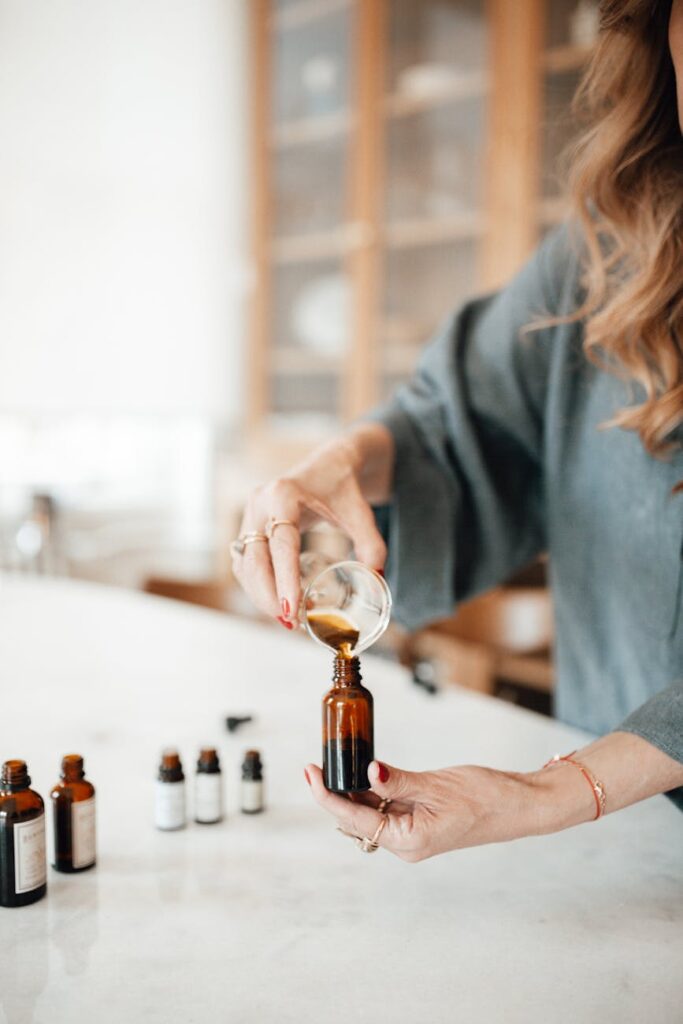
The creation of these blends involves understanding both the individual properties of each oil and how they interact with one another. By combining specific oils in precise ratios, practitioners can enhance the overall efficacy of the blend, promoting deeper and more restorative sleep.
Key Benefits and Properties
1. Promotes Relaxation
Many essential oils used in sleep blends have calming properties that can help reduce stress and anxiety. Oils such as lavender and ylang-ylang are known for their ability to promote a sense of peace and relaxation, making them excellent choices for evening routines.
2. Enhances Sleep Quality
Certain essential oils can help improve sleep quality by addressing common sleep disturbances. For instance, oils like chamomile and valerian root may assist in reducing restlessness, thus promoting a more uninterrupted sleep cycle.
3. Creates a Calming Environment
The scent of essential oils can significantly influence the mood of a space. Aromatherapy blends can create an inviting and tranquil atmosphere that encourages relaxation, making it easier to transition to sleep.
4. Supports Emotional Well-Being
Essential oils possess emotional and psychological benefits, which can be particularly useful for those dealing with stress or tension before bedtime. Oils such as frankincense and sweet orange may uplift the spirit while simultaneously calming the mind.
Common Uses
1. Diffusion
One of the most popular methods of using aromatherapy blends for sleep is through diffusion. A few drops of the sleep blend can be added to an essential oil diffuser, allowing the scent to permeate the room and create a calming ambiance.
2. Massage
Incorporating sleep blends into a massage oil can enhance relaxation. Diluting essential oils with a carrier oil, such as jojoba or sweet almond oil, allows for safe topical application. A gentle massage before bedtime can further promote relaxation and ease tension in the body.
3. Bath Soaks
Adding a few drops of sleep blend oils to a warm bath can create a soothing experience. The warmth of the water combined with the aromatic properties of the oils can help relax the body and prepare it for sleep.
4. Pillow Sprays
Creating a pillow spray by mixing essential oils with water in a spray bottle can be a simple yet effective way to incorporate aromatherapy into bedtime routines. A light mist on pillows and bedding can enhance the sleep environment.
Aromatherapy Applications
1. Blending Techniques
Creating an effective sleep blend involves understanding blending techniques. A typical ratio for essential oil blending is 3-5 drops of essential oil per tablespoon of carrier oil or base. Experimentation may be necessary to find the perfect combination that resonates with individual preferences.
2. Popular Sleep Blends
Some popular sleep blends include:
- Lavender and Chamomile: This classic combination promotes relaxation and helps alleviate anxiety.
- Bergamot and Frankincense: The uplifting scent of bergamot paired with the grounding properties of frankincense creates a balanced blend that calms the mind.
- Cedarwood and Vetiver: Known for their earthy aromas, these oils help create a sense of tranquility and stability, ideal for preparing the body for rest.
- Inhalation: Direct inhalation of essential oils can provide immediate effects. Simply inhaling from the bottle or adding a drop to the palms and cupping them over the nose can be beneficial.
- Topical Application: When using blends topically, always dilute essential oils with a carrier oil to prevent skin irritation. A patch test is recommended before full application.
3. Application Methods
Safety Considerations
1. Skin Sensitivity
Essential oils can cause skin irritation for some individuals. It is advisable to conduct a patch test before applying any blend to larger areas of the body. If irritation occurs, discontinue use and consult a professional.
2. Allergies and Sensitivities
Those with allergies or sensitivities to certain plants should avoid oils derived from those plants. It is important to read labels carefully and choose oils that are safe for personal use.
3. Pregnancy and Nursing
Pregnant or nursing individuals should consult a healthcare professional before using essential oils, as some oils may not be suitable during these periods.
4. Children and Pets
Certain essential oils are not safe for children or pets. It is crucial to research the safety of specific oils before incorporating them into a household with young children or animals.
Storage and Shelf Life
1. Proper Storage
Essential oils should be stored in a cool, dark place, away from sunlight and heat sources. Glass containers are preferred, as they help preserve the integrity of the oils.
2. Shelf Life
The shelf life of essential oils varies, with most lasting between 1 to 3 years when stored properly. Citrus oils tend to have a shorter shelf life compared to heavier oils like patchouli or vetiver. Regularly check for changes in scent or consistency, which may indicate that an oil is no longer suitable for use.
Frequently Asked Questions
Q1: How long does it take for aromatherapy blends to work?
Aromatherapy effects can be felt almost immediately through inhalation, while topical applications may take longer to have an impact. Individual responses to essential oils vary, so patience and experimentation may be necessary.
Q2: Can I mix different essential oils in my sleep blend?
Yes, blending different essential oils can create a customized experience. However, it is essential to understand the properties of each oil and how they may complement or conflict with one another.
Q3: Are there any contraindications for using aromatherapy blends for sleep?
While aromatherapy blends are generally safe, individuals with specific health concerns or medical conditions should consult a healthcare professional prior to use. Pregnant individuals and those with allergies should also exercise caution.
Q4: Can I use essential oils in a humidifier?
Not all humidifiers are designed for essential oils. It is essential to check the manufacturer’s guidelines to ensure compatibility. If using a diffuser, follow the instructions for optimal results.
Q5: How can I enhance the effectiveness of my sleep blend?
Creating a calming bedtime routine that includes dim lighting, soothing music, and a comfortable environment can enhance the effectiveness of aromatherapy blends for sleep. Consistency in using these blends can also help develop a positive sleep association over time.
Conclusion
Aromatherapy blends for sleep offer a natural and holistic approach to enhancing relaxation and improving sleep quality. By understanding the properties, benefits, and safe application methods of essential oils, individuals can create a tranquil environment that supports restful sleep. As with any complementary practice, personal preferences and individual responses will vary, making it essential to explore and find the blends that resonate most effectively for each individual.