
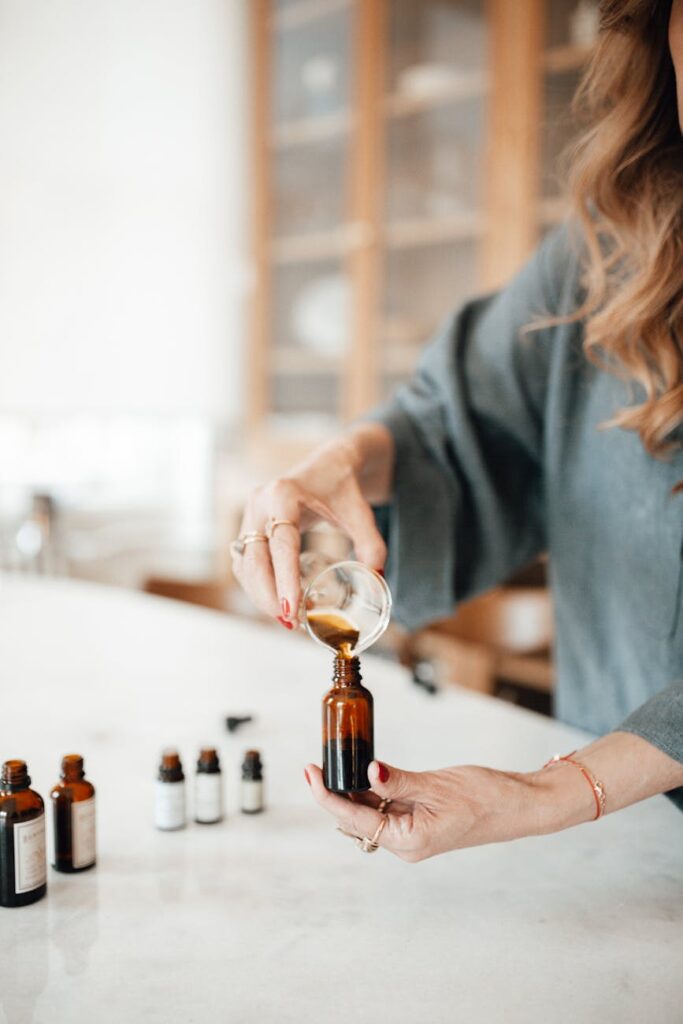
Complete Guide to Aromatherapy Blends for Sleep Part 4
Introduction
In an increasingly fast-paced world, the quest for restful sleep has become a priority for many individuals. Aromatherapy, an ancient practice that utilizes the therapeutic properties of essential oils, has gained popularity as a natural method to promote relaxation and enhance sleep quality. This guide explores the nuances of aromatherapy blends specifically designed for sleep, examining their benefits, applications, and safety considerations.
What Is Aromatherapy Blends for Sleep?
Aromatherapy blends for sleep consist of carefully selected essential oils combined to create a synergistic effect that promotes relaxation and restful sleep. Essential oils are concentrated plant extracts obtained through various methods such as steam distillation and cold pressing. Each oil possesses unique aromatic profiles and therapeutic properties that contribute to the overall effectiveness of the blend.
Common essential oils used in sleep blends include lavender, chamomile, bergamot, and cedarwood. By blending these oils, practitioners can create a harmonious mix that supports a calming atmosphere, ideal for winding down at the end of the day.
Key Benefits and Properties
Aromatherapy blends for sleep offer several benefits, supported by anecdotal evidence and some preliminary research. While individual experiences may vary, the following properties are commonly associated with key essential oils:
1. Relaxation: Essential oils like lavender and chamomile are known for their calming effects, helping to reduce anxiety and create a tranquil environment conducive to sleep.
2. Mood Enhancement: Certain oils, such as bergamot and ylang-ylang, can uplift mood and alleviate stress, promoting a more positive mindset before bedtime.
3. Sleep Induction: Oils like cedarwood and vetiver are believed to have sedative properties that may help in initiating sleep.
4. Improved Sleep Quality: By creating a soothing atmosphere, aromatherapy can potentially enhance the quality of sleep, allowing for deeper and more restorative rest.
5. Reduced Insomnia Symptoms: While not a cure, the use of specific blends may help individuals experiencing mild insomnia by creating a calming bedtime routine.
Common Uses
Aromatherapy blends for sleep can be utilized in various ways, allowing individuals to choose methods that best fit their lifestyles. Some common uses include:
1. Diffusion: Using an essential oil diffuser is one of the most popular methods. By dispersing the aroma throughout a room, it creates a relaxing environment that promotes sleep.
2. Topical Application: Blending essential oils with a carrier oil (such as jojoba or coconut oil) allows for direct application to pulse points, such as wrists, neck, or behind the ears. This method can enhance the calming effects as the oils are inhaled and absorbed into the skin.
3. Bath Soaks: Adding essential oils to a warm bath can create a luxurious and calming experience. It also allows for transdermal absorption, enhancing relaxation.
4. Pillow Sprays: Mixing essential oils with water in a spray bottle can provide a quick and easy way to refresh bedding with soothing scents before sleep.
5. Massage: A gentle massage using sleep-inducing blends can further enhance relaxation and help relieve tension.
Aromatherapy Applications
When creating an aromatherapy blend for sleep, it is essential to consider the aromatic profiles and properties of each essential oil. Below are a few popular blends that can promote relaxation and enhance sleep quality:
1. Lavender and Chamomile Blend
- Ingredients: 5 drops lavender essential oil, 4 drops chamomile essential oil, 2 drops bergamot essential oil.
- Application: Diffuse in the bedroom or mix with a carrier oil for a calming massage.
- Ingredients: 5 drops cedarwood essential oil, 3 drops vetiver essential oil, 2 drops sandalwood essential oil.
- Application: Use in a warm bath or as a pillow spray for a soothing nighttime ritual.
- Ingredients: 4 drops ylang-ylang essential oil, 4 drops geranium essential oil, 2 drops lavender essential oil.
- Application: Add to a diffuser or mix with a carrier oil for topical use.
- Ingredients: 3 drops bergamot essential oil, 3 drops sweet orange essential oil, 2 drops frankincense essential oil.
- Application: Diffuse or use in a bath for a refreshing yet calming experience.
2. Cedarwood and Vetiver Blend
3. Floral Serenity Blend
4. Citrus Calm Blend
Safety Considerations
While aromatherapy is generally regarded as safe, there are several safety considerations to keep in mind:
1. Dilution: Essential oils should always be diluted with a carrier oil when applied to the skin to prevent irritation. A general guideline is to use a dilution ratio of 2-3% for topical application.
2. Sensitivity: Some individuals may be sensitive to specific essential oils. It is advisable to conduct a patch test before full application.
3. Pregnancy and Nursing: Certain essential oils may not be suitable for use during pregnancy or while nursing. Consulting with a qualified professional is recommended.
4. Allergies and Pre-existing Conditions: Individuals with allergies or pre-existing medical conditions should exercise caution and consult a healthcare provider before using essential oils.
5. Storage: Essential oils should be stored in a cool, dark place, away from direct sunlight and heat sources to maintain their integrity and efficacy.
Storage and Shelf Life
Proper storage of essential oils is crucial for maintaining their aromatic and therapeutic qualities. Here are some guidelines:
1. Containers: Use dark glass bottles (amber or cobalt) to protect essential oils from light degradation. Avoid plastic containers, as they can react with the oils.
2. Temperature: Store oils in a cool, dry place. Extreme temperatures can alter the chemical composition of essential oils.
3. Shelf Life: The shelf life of essential oils varies depending on the oil type. Most oils have a shelf life of 1-3 years, though some may last longer. Citrus oils, for example, tend to have a shorter shelf life due to their volatile nature.
4. Signs of Degradation: If an essential oil has changed color, developed a rancid smell, or has thickened in consistency, it may have degraded and should be discarded.
Frequently Asked Questions
Q1: How do I choose the right essential oils for my sleep blend?
A: Selecting essential oils should be based on personal preferences as well as the desired effects. Oils known for their calming properties, such as lavender and chamomile, are excellent choices for sleep.
Q2: Can I use aromatherapy blends for sleep with children?
A: While some essential oils can be safe for children, it is crucial to consult with a healthcare provider for recommendations on suitable oils and appropriate dilution ratios.
Q3: How often should I use aromatherapy blends for sleep?
A: You may incorporate aromatherapy blends into your bedtime routine as often as desired. Consistency can enhance the effectiveness of the practice.
Q4: Are there any side effects associated with aromatherapy for sleep?
A: While generally safe, some individuals may experience skin irritation or allergic reactions. Always conduct a patch test and consult a healthcare provider if concerned.
Q5: Can I create my own sleep blend?
A: Yes, creating your own blends can be a rewarding experience. Experiment with different oils to find combinations that resonate with you, keeping in mind the properties and aromas of each oil.
Conclusion
Aromatherapy blends for sleep offer a natural way to enhance relaxation and improve sleep quality. By understanding the properties of essential oils and how to use them effectively, individuals can create a calming bedtime environment. While aromatherapy is a beneficial practice, it should be approached with mindfulness and respect for safety guidelines. As you explore the world of essential oils, remember that the journey towards restful sleep can be both enjoyable and transformative.