
Complete Guide to Aromatherapy Blends for Sleep Part 6
Introduction
Aromatherapy, the practice of using essential oils for therapeutic benefits, has gained popularity as a holistic approach to improving well-being. Among its many applications, aromatherapy blends specifically formulated for sleep have garnered particular interest. This guide delves into the intricacies of sleep-related aromatherapy blends, exploring their composition, benefits, and practical applications.
What Is Aromatherapy Blends for Sleep?
Aromatherapy blends for sleep are combinations of essential oils designed to promote relaxation and encourage restful sleep. These blends typically comprise oils known for their calming properties, working synergistically to create a soothing environment conducive to sleep. Essential oils are extracted from various parts of plants, including leaves, flowers, bark, and roots, and each oil possesses unique characteristics that contribute to the overall effect of the blend.
Common essential oils used in sleep blends include lavender, chamomile, bergamot, and sandalwood, among others. The effectiveness of these blends varies from person to person, often influenced by individual preferences and sensitivities.
Key Benefits and Properties
The benefits of using aromatherapy blends for sleep are multifaceted. Some of the key properties include:
1. Relaxation: Many essential oils promote relaxation by reducing stress and anxiety levels. For example, lavender oil is widely recognized for its calming effects, helping to quiet the mind.
2. Improved Sleep Quality: Certain blends can enhance the quality of sleep by promoting deeper, more restorative rest. Oils like valerian root and cedarwood are known for their sedative properties.
3. Mood Enhancement: Aromatherapy can influence mood and emotional well-being. Oils such as bergamot and ylang-ylang can help elevate mood, making it easier to transition into a restful state.
4. Regulation of Sleep Patterns: Over time, consistent use of certain aromatic blends may help regulate sleep patterns, making it easier to fall asleep and wake up at desired times.
5. Reduction of Sleep Disruptions: Essential oils may help alleviate common sleep disturbances, such as nightmares or restlessness, by creating a tranquil sleeping environment.
Common Uses
Aromatherapy blends for sleep can be utilized in various ways, depending on personal preferences and lifestyle. Here are some popular applications:
1. Diffusion: One of the most common methods, diffusing essential oils allows their fragrant molecules to circulate in the air. A few drops of a sleep blend in a diffuser can fill the bedroom with calming aromas.
2. Topical Application: Diluting essential oils in a carrier oil and applying them to pulse points, such as wrists or behind the ears, can enhance relaxation. Always ensure that the oils are appropriately diluted to prevent skin irritation.
3. Bathing: Adding a few drops of sleep-promoting essential oils to a warm bath can create a soothing pre-sleep ritual. The combination of warm water and aromatic oils helps relieve tension and prepares the body for rest.
4. Pillow Sprays: Creating a pillow spray by mixing essential oils with water in a spray bottle allows for a gentle misting over bedding, providing a calming scent that encourages sleep.
5. Inhalation: Direct inhalation of essential oils from the bottle or a cotton ball can provide immediate benefits, especially for those experiencing acute stress or anxiety before bedtime.
Aromatherapy Applications
When it comes to creating effective aromatherapy blends for sleep, several essential oils can be combined to enhance their effects. Below are a few popular blends and their components:
Lavender and Chamomile Blend
- Ingredients: 5 drops of lavender oil, 3 drops of chamomile oil.
- Benefits: Both oils are renowned for their calming effects, helping to reduce anxiety and promote relaxation.
- Ingredients: 4 drops of cedarwood oil, 4 drops of bergamot oil.
- Benefits: Cedarwood has grounding properties, while bergamot can uplift mood, making this blend ideal for creating a serene atmosphere.
- Ingredients: 4 drops of ylang-ylang oil, 3 drops of sandalwood oil.
- Benefits: This blend combines the floral sweetness of ylang-ylang with the earthy richness of sandalwood, promoting emotional balance and tranquility.
- Ingredients: 3 drops of valerian oil, 4 drops of clary sage oil.
- Benefits: Valerian is known for its sedative effects, while clary sage can alleviate tension, making this blend beneficial for those struggling with sleep disturbances.
Cedarwood and Bergamot Blend
Ylang-Ylang and Sandalwood Blend
Valerian and Clary Sage Blend
Safety Considerations
While aromatherapy is generally considered safe, it is essential to adhere to certain precautions:
1. Dilution: Always dilute essential oils with a carrier oil before topical application to prevent skin irritation.
2. Allergies: Conduct a patch test on a small area of skin to check for allergic reactions before using a new essential oil.
3. Pregnancy and Nursing: Consult a healthcare provider before using essential oils during pregnancy or breastfeeding, as some oils may not be safe.
4. Children and Pets: Use caution when using essential oils around children and pets. Certain oils may be harmful or irritating to them.
5. Quality of Oils: Choose high-quality, pure essential oils from reputable sources to ensure safety and effectiveness.
Storage and Shelf Life
Proper storage of essential oils is crucial to maintain their potency and efficacy. Here are some guidelines:
1. Cool, Dark Place: Store essential oils in a cool, dark place away from direct sunlight and heat sources. This helps prevent degradation.
2. Tightly Sealed: Ensure that bottles are tightly sealed to minimize exposure to air, which can alter the chemical composition of the oils.
3. Glass Containers: Preferably, essential oils should be stored in dark glass containers (amber or cobalt blue) to protect them from light.
4. Shelf Life: The shelf life of essential oils varies but generally ranges from 1 to 3 years. Citrus oils tend to have a shorter shelf life, while resinous oils like frankincense can last longer.
Frequently Asked Questions
1. How do I choose the right blend for sleep?
Choosing the right blend often depends on personal preferences and sensitivities. Experiment with different combinations and methods of application to find what works best for you.
2. Can I mix essential oils myself?
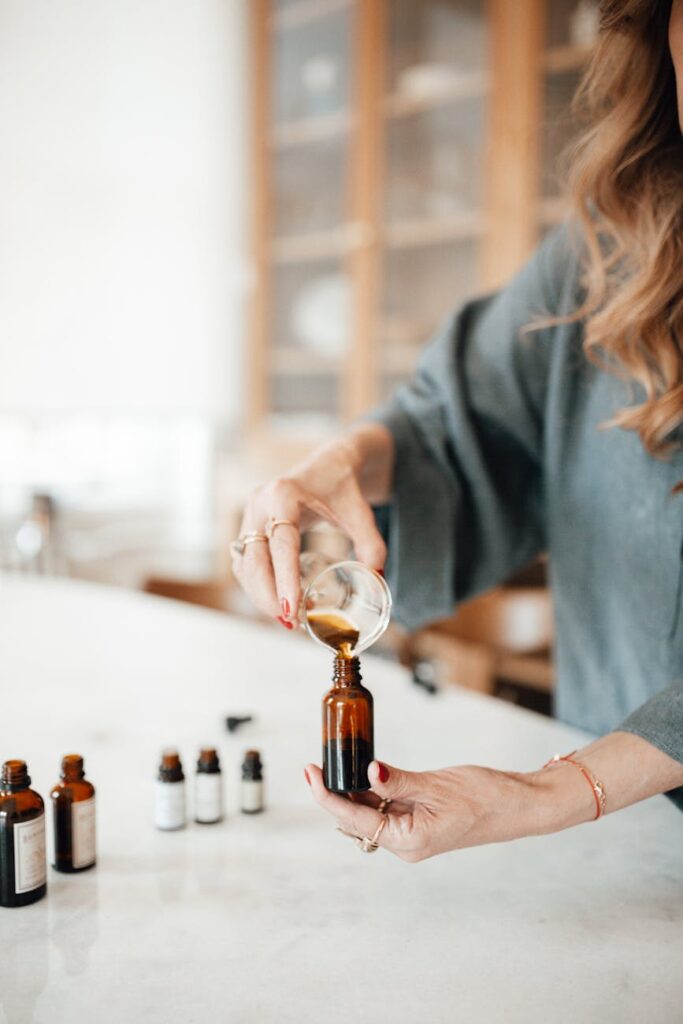
Yes, you can create your own blends by combining different essential oils. Start with small quantities and adjust as needed based on your preferences.
3. How long does it take for aromatherapy to work?
The effects of aromatherapy can vary from person to person. Some may experience immediate benefits, while others may find it takes time to notice significant changes.
4. Are there any contraindications for using essential oils?
Certain essential oils may interact with medications or medical conditions. It is advisable to consult with a qualified professional if you have any health concerns.
5. Can I use aromatherapy blends every night?
Most people can safely use aromatherapy blends nightly, but it’s essential to listen to your body and adjust usage based on personal needs.
Conclusion
Aromatherapy blends for sleep offer a holistic approach to enhancing relaxation and promoting restful nights. With a diverse array of essential oils at your disposal, the possibilities for creating effective blends are nearly limitless. By understanding the properties of these oils and how to use them safely, individuals can cultivate a tranquil atmosphere that supports their journey to restful sleep. As always, individual preferences and experiences will guide the effectiveness of these aromatic interventions, allowing for a personalized approach to better sleep.