
Complete Guide to Aromatherapy Blends for Sleep Part 7
Introduction
Aromatherapy, a holistic practice utilizing essential oils extracted from plants, has gained popularity as a natural approach to enhance well-being. Among its many applications, one of the most sought-after benefits is the promotion of restful sleep. This guide delves into aromatherapy blends specifically designed to aid sleep, exploring their properties, benefits, and practical applications.
What Is Aromatherapy Blends for Sleep?
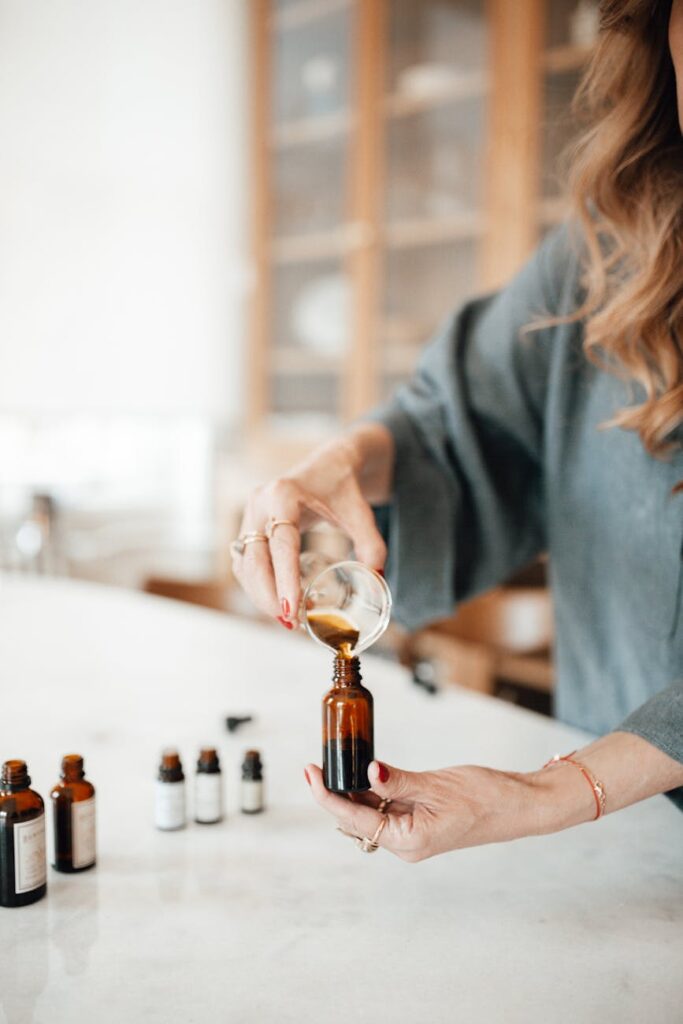
Aromatherapy blends for sleep are carefully crafted combinations of essential oils that work synergistically to create a calming environment conducive to relaxation and slumber. These blends typically include oils known for their sedative and soothing properties, such as lavender, chamomile, and sandalwood. The essence of these oils is believed to interact with the limbic system in the brain, influencing emotions and promoting a sense of tranquility.
Key Benefits and Properties
The benefits of using aromatherapy blends for sleep are manifold. Here are some key properties of commonly used essential oils:
1. Lavender (Lavandula angustifolia): Known for its calming effects, lavender has been shown to reduce anxiety and improve sleep quality. Its floral scent is often associated with relaxation.
2. Chamomile (Matricaria chamomilla): This oil is renowned for its soothing properties, often used to alleviate restlessness and promote a gentle sense of calm.
3. Bergamot (Citrus bergamia): With its uplifting yet calming aroma, bergamot can help reduce stress and anxiety, making it a popular choice for sleep blends.
4. Cedarwood (Cedrus atlantica): The warm, woody scent of cedarwood is believed to promote relaxation and enhance feelings of security, making it a comforting addition to sleep blends.
5. Ylang Ylang (Cananga odorata): Known for its sweet, floral fragrance, ylang ylang can help reduce stress and promote a peaceful state of mind.
These oils can be combined in various proportions to create personalized blends tailored to individual preferences and needs.
Common Uses
Aromatherapy blends for sleep can be utilized in a myriad of ways:
- Diffusion: Using a diffuser to disperse essential oils into the air can create a calming atmosphere in the bedroom.
- Topical Application: Diluting essential oils in a carrier oil and applying them to pulse points can promote relaxation. Common pulse points include the wrists, behind the ears, and the neck.
- Bathing: Adding a few drops of a sleep blend to a warm bath can enhance relaxation and prepare the body for sleep.
- Pillow Sprays: Creating a pillow spray using a sleep blend can help create a soothing environment right where it’s needed most.
- Inhalation: Simply inhaling the aroma from an essential oil bottle or a cotton ball can provide immediate calming effects.
- Dilution: Always dilute essential oils with a carrier oil before applying them to the skin. A common dilution ratio is 2-3 drops of essential oil per teaspoon of carrier oil.
- Patch Test: Conduct a patch test on a small area of skin prior to widespread use to check for sensitivities or allergic reactions.
- Pregnancy and Nursing: Pregnant or nursing individuals should consult with a qualified professional before using essential oils.
- Children and Pets: Exercise caution when using essential oils around children and pets, as some oils may be harmful.
- Medical Conditions: Individuals with specific health conditions or those taking medication should consult a healthcare provider before incorporating essential oils into their routines.
- Dark Glass Bottles: Store essential oils in dark glass bottles to protect them from light, which can degrade the oils.
- Cool, Dry Place: Keep oils in a cool, dry environment, away from direct sunlight and heat sources.
- Tightly Sealed: Ensure that bottles are tightly sealed after each use to prevent oxidation.
Aromatherapy Applications
When utilizing aromatherapy blends for sleep, consider the following applications:
Diffusion
To create a serene environment, add 3-5 drops of your chosen sleep blend to an essential oil diffuser filled with water. Allow the aroma to permeate the room for at least 30 minutes before bedtime.
Topical Application
For topical use, mix 2-3 drops of essential oil with a carrier oil (such as coconut, jojoba, or almond oil) in a small glass bottle. Apply to pulse points or massage gently onto the neck and shoulders to promote relaxation.
Bathing
To create a calming bath experience, combine 5-10 drops of a sleep blend with a neutral carrier, such as Epsom salts or a bath oil. Stir the mixture into warm bath water and soak for at least 20 minutes.
Pillow Sprays
For a quick solution, mix 1 cup of distilled water with 10-15 drops of your sleep blend in a spray bottle. Shake well before each use and lightly mist your pillow and bedding before sleep.
Inhalation
For immediate relaxation, add a few drops of essential oil to a cotton ball and inhale deeply. Alternatively, create a personal inhaler by placing a few drops on a cotton wick inside a small inhaler tube.
Safety Considerations
While aromatherapy can be beneficial, it is essential to adhere to safety guidelines:
Storage and Shelf Life
Proper storage of essential oils is vital to maintain their efficacy. Here are some tips to prolong their shelf life:
Most essential oils have a shelf life of 1-3 years, depending on the type. Citrus oils tend to have a shorter shelf life, while oils like sandalwood and patchouli can last longer.
Frequently Asked Questions
1. Can I use any essential oils for sleep?
While many essential oils can promote relaxation, not all are suitable for sleep. Focus on oils known for their calming properties, such as lavender, chamomile, and cedarwood.
2. How long does it take for aromatherapy to work?
The effects of aromatherapy can vary from person to person. Some individuals may notice immediate relaxation, while others may require consistent use to experience benefits.
3. Is it safe to use essential oils while pregnant?
Some essential oils are considered safe during pregnancy, while others should be avoided. It is advisable to consult with a healthcare professional before using essential oils during pregnancy.
4. Can I mix different essential oils together?
Yes, blending essential oils can create unique aromas and enhance the therapeutic effects. Experiment with different combinations to find a blend that resonates with you.
5. How can I create a sleep environment conducive to aromatherapy?
To enhance the effectiveness of aromatherapy, create a calming sleep environment by dimming lights, reducing noise, and maintaining a comfortable temperature.
—
In conclusion, aromatherapy blends for sleep offer a natural and holistic approach to promoting restful slumber. By understanding the key properties and benefits of essential oils, individuals can create personalized blends that cater to their unique needs. Implementing proper safety measures and storage techniques ensures the longevity and efficacy of these valuable plant extracts, making them a wonderful addition to any bedtime routine.