
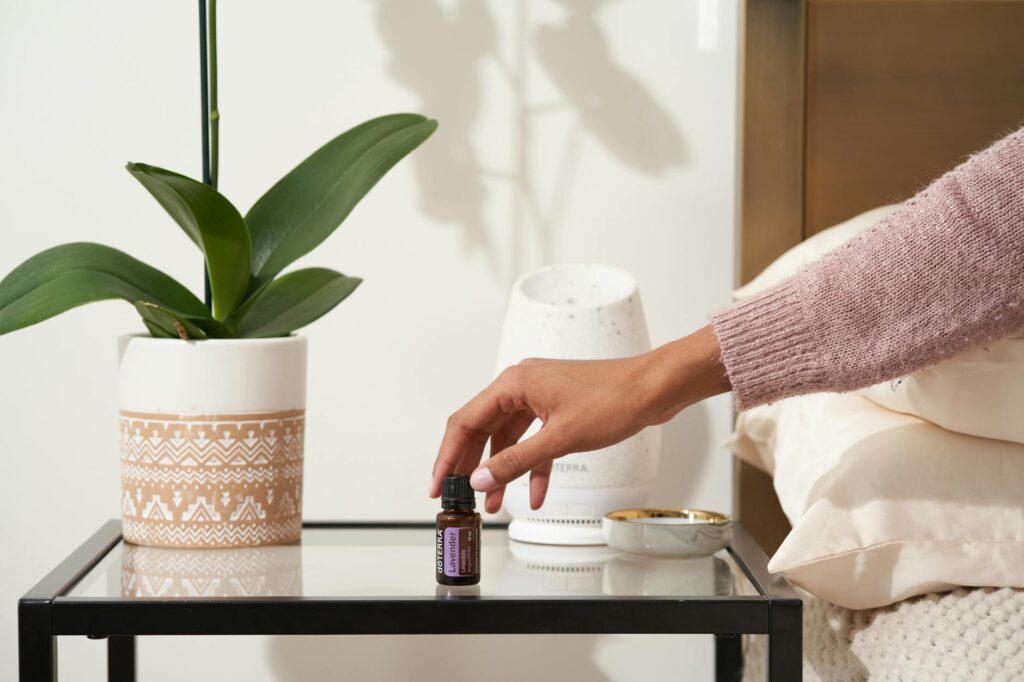
Complete Guide to Aromatherapy Blends for Sleep Quality Improvement Part 4
Introduction
Aromatherapy is an ancient practice that utilizes the natural fragrances of essential oils to enhance physical and emotional health. One of the most prominent applications of aromatherapy is in promoting improved sleep quality. This guide delves into the various blends that can be created specifically for this purpose, exploring their benefits, applications, and safety considerations.
In this part of our series, we will build upon previous discussions, focusing on specific aromatic blends, their properties, and practical applications to aid in achieving better sleep.
What Are Aromatherapy Blends for Sleep Quality Improvement?
Aromatherapy blends for sleep quality improvement are combinations of essential oils that are specifically chosen for their calming, soothing, and sedative properties. These blends can be used in various ways to create a tranquil environment conducive to sleep. Some common essential oils used in these blends include lavender, chamomile, and cedarwood, among others.
Creating Effective Blends
When formulating an aromatherapy blend for sleep, it is essential to consider the synergistic properties of the oils involved. Certain oils may enhance the effects of others, leading to a more significant impact on relaxation and sleep quality.
Key Benefits and Properties
Aromatherapy blends for sleep offer a multitude of benefits, including:
1. Relaxation and Stress Reduction
Many essential oils have calming effects that can help reduce anxiety and stress levels, creating a more peaceful mindset before sleep.
2. Improved Sleep Quality
Studies have shown that certain essential oils can enhance the overall quality of sleep, leading to deeper and more restorative rest.
3. Regulation of Sleep Patterns
Regular use of aromatherapy blends may help in regulating sleep patterns, making it easier to fall asleep and stay asleep throughout the night.
4. Enhanced Mood
The fragrances of essential oils can positively influence mood, making the sleep environment more inviting and restful.
Common Uses
Aromatherapy blends for sleep can be utilized in various ways to maximize their effectiveness:
1. Diffusion
One of the most popular methods is using an essential oil diffuser. The oils are dispersed into the air, creating a soothing atmosphere.
2. Topical Application
Blends can also be applied topically, often diluted in a carrier oil. Areas such as the wrists, neck, or the soles of the feet are common application points.
3. Bath Soaks
Adding a few drops of a sleep blend to a warm bath can create a relaxing pre-sleep ritual.
4. Pillow Sprays
Creating a pillow spray with diluted essential oils can provide a gentle aroma that lingers throughout the night.
Aromatherapy Applications
Popular Essential Oil Blends for Sleep
1. Lavender and Chamomile
- Properties: Both oils are known for their calming effects. Lavender is frequently used to reduce anxiety, while chamomile can promote relaxation.
- Application: Diffuse in the bedroom or mix with a carrier oil for a calming massage.
- Properties: Cedarwood has grounding properties, whereas bergamot can elevate mood and reduce stress.
- Application: Use in a bath soak or as a massage oil before bedtime.
- Properties: These oils are often used in meditation and relaxation practices due to their deep, rich aromas that promote tranquility.
- Application: Ideal for diffusion or meditation practices before sleep.
- Properties: Ylang ylang is known for its euphoric qualities, while geranium helps balance emotions and reduce anxiety.
- Application: Combine in a pillow spray or use in a diffuser.
2. Cedarwood and Bergamot
3. Sandalwood and Frankincense
4. Ylang Ylang and Geranium
Safety Considerations
While aromatherapy blends are generally safe for use, it is essential to follow certain guidelines to ensure a positive experience:
1. Dilution
Always dilute essential oils with a carrier oil before applying them to the skin to prevent irritation or allergic reactions.
2. Patch Testing
Before using a new blend, conduct a patch test on a small area of skin to check for adverse reactions.
3. Avoiding Certain Oils
Some essential oils may not be suitable for everyone, particularly pregnant individuals or those with specific health conditions. Always do thorough research on the oils being used.
4. Ventilation
Ensure the area is well-ventilated when diffusing essential oils to prevent overwhelming the senses.
Storage and Shelf Life
Proper storage of essential oils and blends is crucial for maintaining their potency and effectiveness:
1. Storage Conditions
Essential oils should be stored in a cool, dark place, away from direct sunlight and heat sources. Amber or cobalt glass bottles are ideal for preserving their integrity.
2. Shelf Life
Generally, essential oils can last from one to five years, depending on the type of oil. Citrus oils tend to have a shorter shelf life, while oils such as sandalwood can last longer.
3. Signs of Spoilage
If an oil has changed in color, consistency, or scent, it may be spoiled and should be discarded.
Frequently Asked Questions
1. Can I use multiple essential oils in one blend?
Yes, combining multiple oils can create a synergistic effect, enhancing the overall benefits of the blend.
2. How long does it take for aromatherapy to work?
The effects of aromatherapy can vary from person to person. Many individuals report feeling more relaxed within minutes of using essential oils, while others may take longer to notice significant effects.
3. Are there any oils I should avoid?
Pregnant women, children, and individuals with certain medical conditions should research and consult professionals regarding specific oils that may be contraindicated.
4. How often should I use aromatherapy for sleep?
Regular use, especially as part of a nightly routine, can help improve sleep quality. However, listen to your body and adjust frequency based on your response.
5. Can I use essential oils with pets?
Some essential oils can be harmful to pets. It’s important to conduct thorough research and consult a veterinarian before using essential oils in a home with animals.
Conclusion
Aromatherapy blends for sleep quality improvement encompass a variety of essential oils that can significantly enhance relaxation and promote a peaceful sleep environment. By understanding the properties, applications, and safety considerations associated with these blends, individuals can create personalized aromatic experiences that foster better sleep. As with any holistic practice, consistency and mindfulness are key to unlocking the full potential of aromatherapy in improving sleep quality.